
Harvard Prof Blasted for Using AI to Write Anti-Trump Op-Ed
A Harvard professor faces criticism after the Financial Times added a disclaimer to his opinion column, which AI detection tools found to be 71 percent artificially generated content.
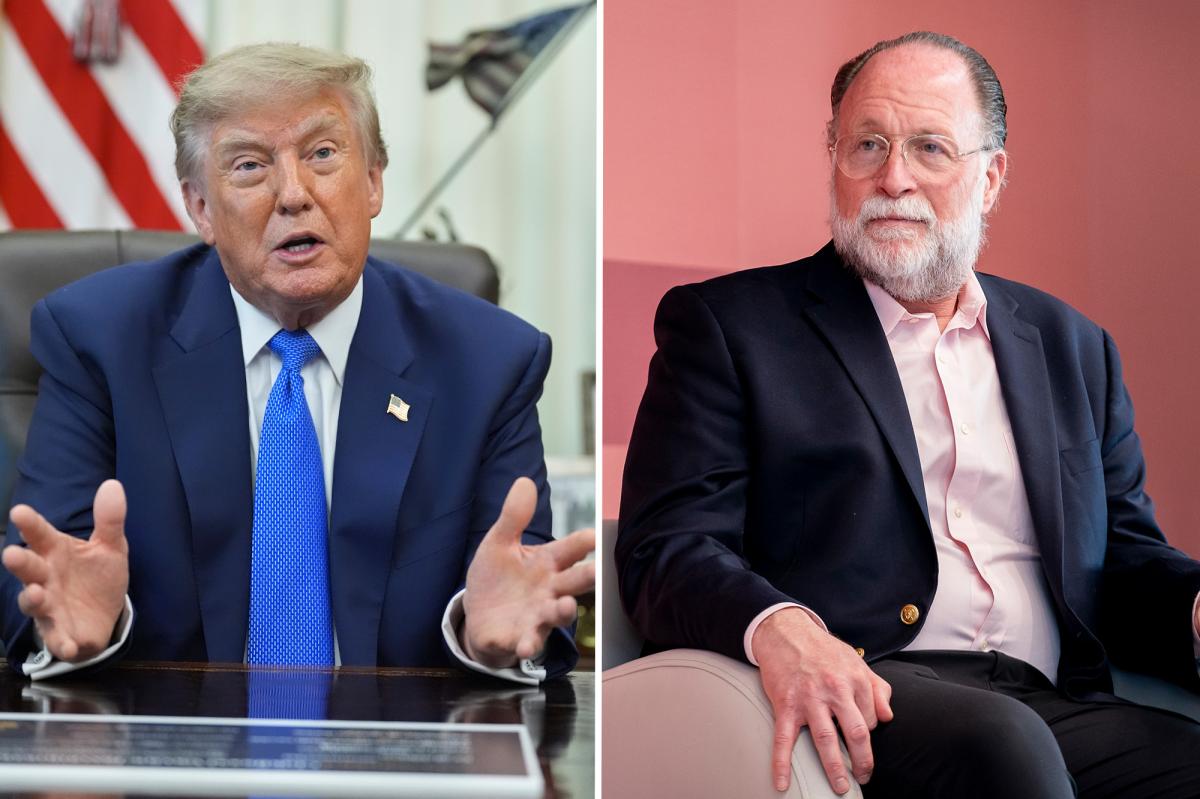
Ricardo Hausmann, a professor at Harvard Kennedy School of Government and former Venezuelan government minister, authored the article criticizing President Trump’s tariff policies. However, according to reporting by the New York Post, the piece has since been flagged for its conspicuously artificial writing style and heavy reliance on AI tools.
The Financial Times was compelled to append an editorial note to the top of the article following its Thursday publication. The disclaimer states that AI was employed to condense a longer draft prior to the newspaper’s editorial review, a practice that directly violates the publication’s editorial code of conduct.
Social media users quickly identified the suspicious prose, with one X user describing it as the worst AI slop I’ve seen in a major publication. Analysis using Pangram, an AI detection tool, reportedly showed that 71% of the 841-word article was AI-generated content.
The controversy has sparked particular concern within academic circles, where professors are simultaneously combating students’ increasing dependence on artificial intelligence for coursework. Michael Socolow, a professor at the University of Maine, expressed frustration on social media about the difficulty of encouraging students to write with creativity and individuality when a prominent Harvard economics professor publishes easily identifiable AI-generated content in a major financial newspaper.
Even those familiar with Hausmann’s previous work expressed dismay. Bloomberg’s Joe Weisenthal, who noted he had learned from and enjoyed conversations with the 70-year-old economist in the past, called the incident astonishing in terms of both its writing and publication.
The piece was published behind the Financial Times‘ paywall, adding to the criticism that readers were asked to pay for content that was not authentically written by the credited author.
Neither Hausmann, the Financial Times, nor Harvard Kennedy School provided immediate responses to requests for comment regarding the incident.
With information from New York Post





