Necessary Cookies

Required for the site to function. Cannot be disabled.

Analytics Cookies

Help us understand how visitors interact with our site (Google Analytics via GTM).

Marketing Cookies

Used to track visitors and deliver personalised advertisements.

We use cookies to enhance your browsing experience and analyse site traffic. By clicking Accept All, you consent to our use of cookies. Privacy Policy
NewsFire Global
Home News Europe World Christianity Culture Wars Opinion Video
Information
About Us Authors Advertising Terms & Conditions Privacy Policy Contact
R2B Media
R2B NEWSFIRE.GR PAPAFOTIS.GR THRACTION HELLENIC CONSERVATIVES RIGHT2THEBONE YT
News World

Bessent Promises Historic Measures for Iran Economic Isolation

The Trump administration plans to impose unprecedented economic sanctions on Iran next week, escalating financial warfare alongside the naval blockade that has already cost Tehran nearly five billion dollars.

AUGUST 15, 2026 AT 12:10 AM

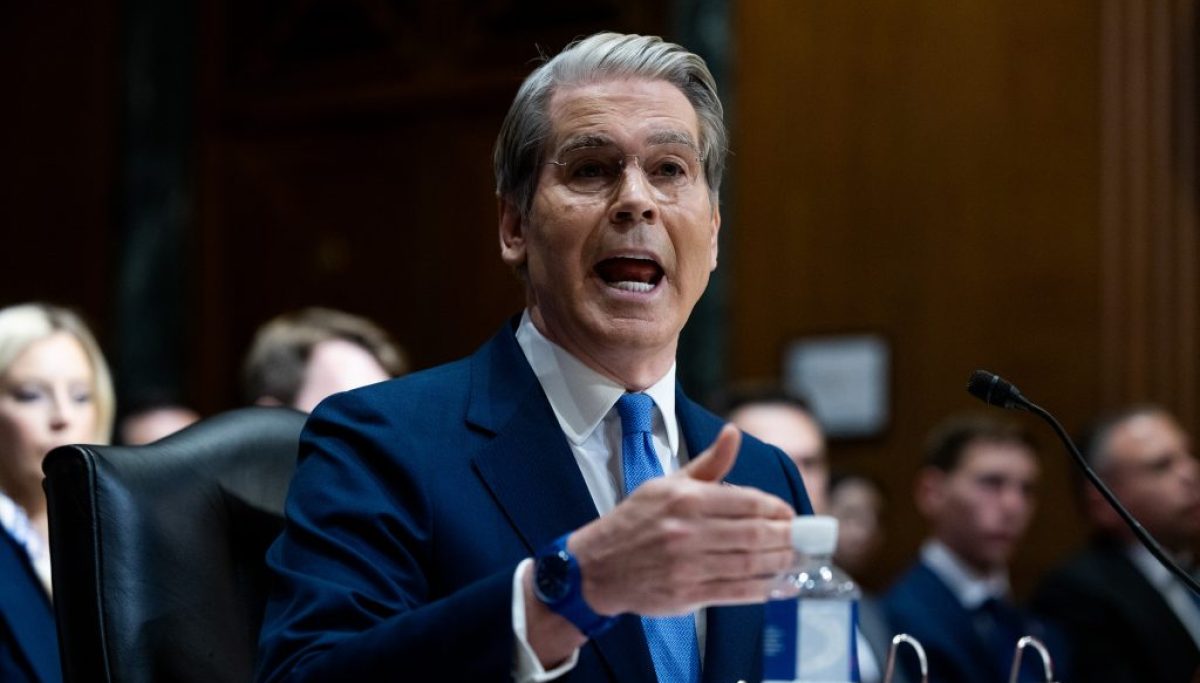
Treasury Secretary Scott Bessent announced Thursday that a new wave of sanctions and economic actions targeting Tehran will be implemented in the coming days, according to Emily Hallas writing in Washington Examiner. The measures are designed to create what Bessent described as a combination of economic isolation like the world has never seen before.

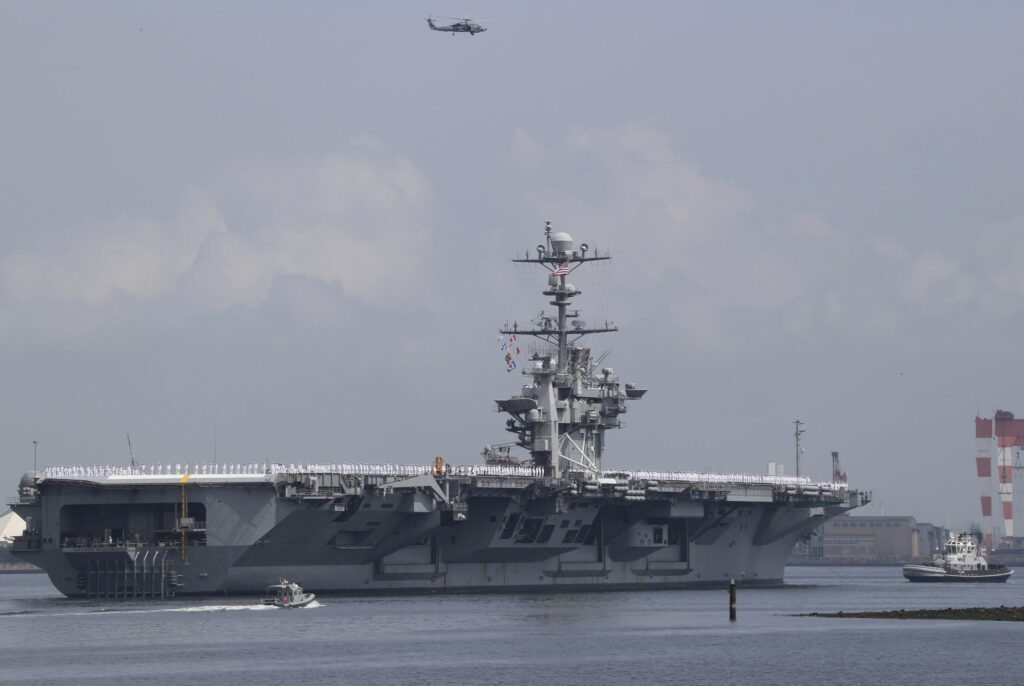
Speaking on Newsmax’s Rob Schmitt Tonight program, Bessent indicated the administration would deploy financial tools that surpass any previous campaign of economic warfare against a hostile nation. The treasury chief said these actions would work in tandem with the ongoing U.S. naval blockade in the Strait of Hormuz, which continues to prevent Iranian maritime traffic from entering or leaving the country’s ports.

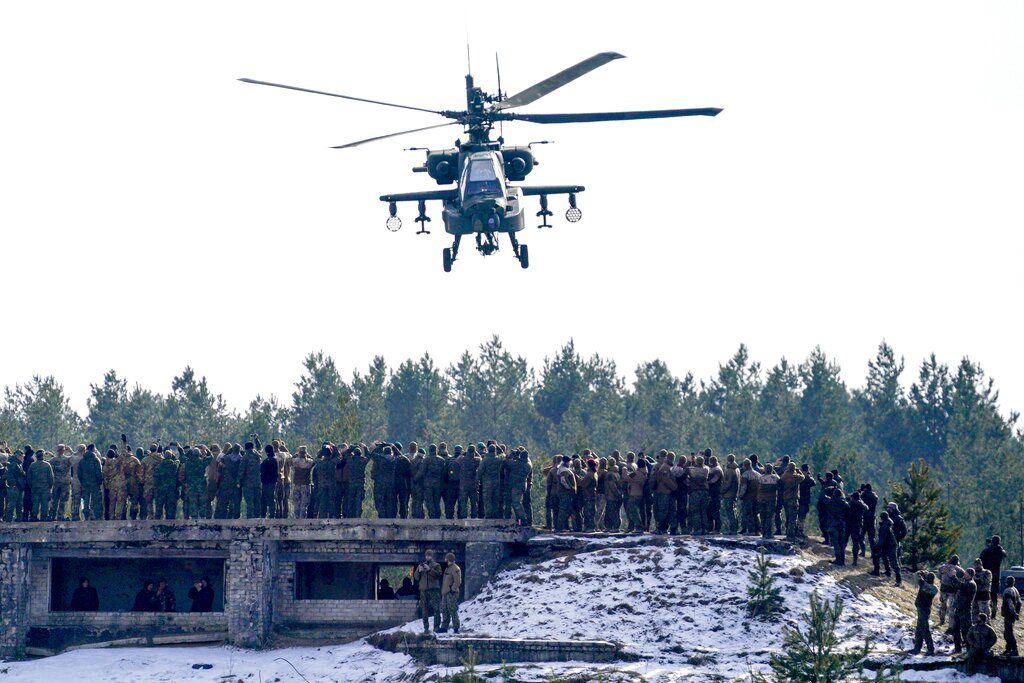
The announcement follows remarks by President Donald Trump on Sunday in which he signaled a strategic pivot away from kinetic military operations toward what he called “low-keying it” through economic pressure. Trump emphasized that the naval blockade has already placed severe strain on Iran’s economy, noting the country faces massive inflation and depleted financial reserves.
The president characterized the situation as a chess match, stating the United States is only conducting limited negotiations while monitoring Iran’s deteriorating economic position.

The naval blockade enforced around the Strait of Hormuz has already extracted a heavy toll on Iranian revenues. By early May, the operation had cost Tehran nearly five billion dollars in lost oil sales, representing a significant blow to the regime’s primary source of foreign currency.

Majidreza Hariri, who heads the Iran-China Chamber of Commerce, warned Tuesday that if maintained, the blockade could drain eighteen billion dollars annually from Iran’s economy. War Secretary Pete Hegseth told reporters Thursday the United States possesses the capability to sustain the naval operation indefinitely.

Hariri acknowledged in comments to Iranian media outlet Khabar Online that attempts to circumvent the blockade would prove counterproductive. He drew parallels to previous sanctions evasion efforts, which he said resulted in economic weakness and widespread corruption rather than genuine solutions.

The shift toward maximum economic pressure represents a calculated departure from conventional military confrontation, leveraging America’s financial dominance and naval superiority to achieve strategic objectives without the risks and costs associated with direct combat operations.

Details of the specific sanctions and economic mechanisms to be announced next week remain undisclosed, though Bessent’s characterization suggests they will represent a qualitative escalation beyond current measures already in place against the Islamic Republic.

With information from Washington Examiner

Share:
Eleni Papadaki-Van Der Merwe

She was born in 1986 in Johannesburg, South Africa. She is the granddaughter of an immigrant from Crete who settled in the Greek community of Johannesburg (one of the largest in Africa). She holds a bachelor’s degree in International Relations and Political Science from the University of the Witwatersrand (Wits) in Johannesburg and a master’s degree in Journalism from Rhodes University in Grahamstown. She began her career at English-language media outlets in Johannesburg, covering politics and economics, with a focus on issues related to migration and the diaspora. She moved to Athens in 2015 to “return to her roots,” initially to pursue graduate studies, and has remained there permanently. She is married to an Afrikaner; they have two children and live in the southern suburbs of Athens.

Treasury Secretary Scott Bessent announced Thursday that a new wave of sanctions and economic actions targeting Tehran will be implemented in the coming days, according to Emily Hallas writing in Washington Examiner. The measures are designed to create what Bessent described as a combination of economic isolation like the world has never seen before.

Speaking on Newsmax’s Rob Schmitt Tonight program, Bessent indicated the administration would deploy financial tools that surpass any previous campaign of economic warfare against a hostile nation. The treasury chief said these actions would work in tandem with the ongoing U.S. naval blockade in the Strait of Hormuz, which continues to prevent Iranian maritime traffic from entering or leaving the country’s ports.

The announcement follows remarks by President Donald Trump on Sunday in which he signaled a strategic pivot away from kinetic military operations toward what he called “low-keying it” through economic pressure. Trump emphasized that the naval blockade has already placed severe strain on Iran’s economy, noting the country faces massive inflation and depleted financial reserves.

The president characterized the situation as a chess match, stating the United States is only conducting limited negotiations while monitoring Iran’s deteriorating economic position.

The naval blockade enforced around the Strait of Hormuz has already extracted a heavy toll on Iranian revenues. By early May, the operation had cost Tehran nearly five billion dollars in lost oil sales, representing a significant blow to the regime’s primary source of foreign currency.

Majidreza Hariri, who heads the Iran-China Chamber of Commerce, warned Tuesday that if maintained, the blockade could drain eighteen billion dollars annually from Iran’s economy. War Secretary Pete Hegseth told reporters Thursday the United States possesses the capability to sustain the naval operation indefinitely.

Hariri acknowledged in comments to Iranian media outlet Khabar Online that attempts to circumvent the blockade would prove counterproductive. He drew parallels to previous sanctions evasion efforts, which he said resulted in economic weakness and widespread corruption rather than genuine solutions.

The shift toward maximum economic pressure represents a calculated departure from conventional military confrontation, leveraging America’s financial dominance and naval superiority to achieve strategic objectives without the risks and costs associated with direct combat operations.

Details of the specific sanctions and economic mechanisms to be announced next week remain undisclosed, though Bessent’s characterization suggests they will represent a qualitative escalation beyond current measures already in place against the Islamic Republic.

With information from Washington Examiner

