Necessary Cookies

Required for the site to function. Cannot be disabled.

Analytics Cookies

Help us understand how visitors interact with our site (Google Analytics via GTM).

Marketing Cookies

Used to track visitors and deliver personalised advertisements.

We use cookies to enhance your browsing experience and analyse site traffic. By clicking Accept All, you consent to our use of cookies. Privacy Policy
NewsFire Global
Home News Europe World Christianity Culture Wars Opinion Video
Information
About Us Authors Advertising Terms & Conditions Privacy Policy Contact
R2B Media
R2B NEWSFIRE.GR PAPAFOTIS.GR THRACTION HELLENIC CONSERVATIVES RIGHT2THEBONE YT
News World

Iran Sends Official to Kabul to Strengthen Taliban Ties

Iran's Agriculture Minister visited Kabul this week to discuss expanding economic cooperation with Taliban leadership despite sectarian differences between the two regimes.

AUGUST 13, 2026 AT 9:21 PM

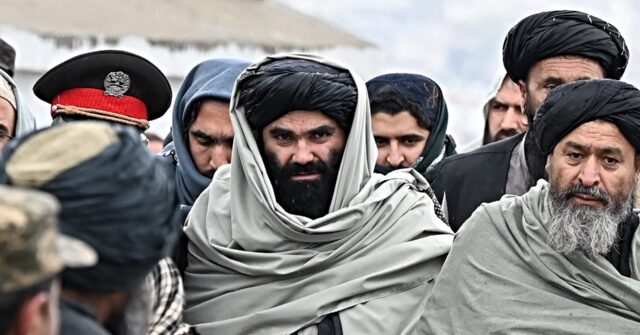
Gholamreza Nouri Ghezeljeh arrived in Afghanistan’s capital on Wednesday for a three-day visit that includes attending a livestock exhibition and holding high-level meetings with senior Taliban officials. The Iranian minister is tasked with exploring expanded collaboration on agricultural technology and industrial development, according to Breitbart News.

Despite Iran’s Shiite theocracy and the Taliban’s Sunni jihadist ideology representing sharply divergent branches of Islam, the two regimes have managed to maintain working relations since the Taliban’s reconquest of Afghanistan in August 2021. Their shared border has, however, generated friction over water rights and the treatment of Afghan refugees attempting to flee into Iran.

Taliban Stays Clear of Iran-U.S. Conflict

The Taliban has conspicuously avoided involvement in the escalating confrontation between Tehran and Washington. After two decades of warfare against American forces, Taliban leaders have offered rhetorical sympathy and vague pledges of support to Iran but have refrained from actual military participation. Taliban officials have even publicly criticized Iran for bombing Sunni-majority neighbors including Saudi Arabia, Qatar, and Kuwait during retaliatory strikes following Operation Epic Fury.

The ongoing conflict between Iran and the United States was notably absent from discussions surrounding Nouri’s visit. The agriculture minister told Afghanistan’s Tolo News he would participate in meetings with the Afghan agriculture and livestock minister and potentially other cabinet members, alongside the livestock exhibition.

Joint Economic Commission Meetings Planned

Nouri emphasized that Tehran seeks to broaden economic engagement beyond the agricultural sector. He explained that he oversees the Iran-Afghanistan Joint Economic Commission on the Iranian side and would meet with Afghan counterparts active in the commission during his stay.

The Iranian minister also thanked the Taliban for what he characterized as support against the United States during recent hostilities. He praised what he called a valuable stance taken by Afghan officials in response to attacks on Iran, citing shared historical, religious, sectarian, and linguistic ties as foundations for deeper bilateral relations.

These remarks align with recent statements by Iranian President Masoud Pezeshkian, who this week credited both Afghanistan and Pakistan with reinforcing border security to prevent foreign infiltration during the early phase of President Donald Trump’s military operations against Iran. Pezeshkian claimed both countries deployed forces to ensure no one could cross into Iran from their territories to foment unrest.

Refugee Exodus Contradicts Security Claims

The actual security situation on the Afghan-Iranian border during Operation Epic Fury’s initial days tells a different story. Afghan media outlets reported that approximately 2,000 Afghans were returning home from Iran daily in March, fleeing both American military action and Iran’s deteriorating economic conditions that have severely limited employment opportunities for foreign workers.

While the Taliban waged its own prolonged war against American forces, the group has maintained careful distance from the Iran conflict, seeking to avoid antagonizing either Tehran or its adversaries. In February, before hostilities escalated, Taliban spokesman Zabihullah Mujahid stated his regime would provide various forms of solidarity and support to Iran, though concrete assistance has not materialized.

With information from Breitbart News

Share:
Eleni Papadaki-Van Der Merwe

She was born in 1986 in Johannesburg, South Africa. She is the granddaughter of an immigrant from Crete who settled in the Greek community of Johannesburg (one of the largest in Africa). She holds a bachelor’s degree in International Relations and Political Science from the University of the Witwatersrand (Wits) in Johannesburg and a master’s degree in Journalism from Rhodes University in Grahamstown. She began her career at English-language media outlets in Johannesburg, covering politics and economics, with a focus on issues related to migration and the diaspora. She moved to Athens in 2015 to “return to her roots,” initially to pursue graduate studies, and has remained there permanently. She is married to an Afrikaner; they have two children and live in the southern suburbs of Athens.

Gholamreza Nouri Ghezeljeh arrived in Afghanistan’s capital on Wednesday for a three-day visit that includes attending a livestock exhibition and holding high-level meetings with senior Taliban officials. The Iranian minister is tasked with exploring expanded collaboration on agricultural technology and industrial development, according to Breitbart News.

Despite Iran’s Shiite theocracy and the Taliban’s Sunni jihadist ideology representing sharply divergent branches of Islam, the two regimes have managed to maintain working relations since the Taliban’s reconquest of Afghanistan in August 2021. Their shared border has, however, generated friction over water rights and the treatment of Afghan refugees attempting to flee into Iran.

Taliban Stays Clear of Iran-U.S. Conflict

The Taliban has conspicuously avoided involvement in the escalating confrontation between Tehran and Washington. After two decades of warfare against American forces, Taliban leaders have offered rhetorical sympathy and vague pledges of support to Iran but have refrained from actual military participation. Taliban officials have even publicly criticized Iran for bombing Sunni-majority neighbors including Saudi Arabia, Qatar, and Kuwait during retaliatory strikes following Operation Epic Fury.

The ongoing conflict between Iran and the United States was notably absent from discussions surrounding Nouri’s visit. The agriculture minister told Afghanistan’s Tolo News he would participate in meetings with the Afghan agriculture and livestock minister and potentially other cabinet members, alongside the livestock exhibition.

Joint Economic Commission Meetings Planned

Nouri emphasized that Tehran seeks to broaden economic engagement beyond the agricultural sector. He explained that he oversees the Iran-Afghanistan Joint Economic Commission on the Iranian side and would meet with Afghan counterparts active in the commission during his stay.

The Iranian minister also thanked the Taliban for what he characterized as support against the United States during recent hostilities. He praised what he called a valuable stance taken by Afghan officials in response to attacks on Iran, citing shared historical, religious, sectarian, and linguistic ties as foundations for deeper bilateral relations.

These remarks align with recent statements by Iranian President Masoud Pezeshkian, who this week credited both Afghanistan and Pakistan with reinforcing border security to prevent foreign infiltration during the early phase of President Donald Trump’s military operations against Iran. Pezeshkian claimed both countries deployed forces to ensure no one could cross into Iran from their territories to foment unrest.

Refugee Exodus Contradicts Security Claims

The actual security situation on the Afghan-Iranian border during Operation Epic Fury’s initial days tells a different story. Afghan media outlets reported that approximately 2,000 Afghans were returning home from Iran daily in March, fleeing both American military action and Iran’s deteriorating economic conditions that have severely limited employment opportunities for foreign workers.

While the Taliban waged its own prolonged war against American forces, the group has maintained careful distance from the Iran conflict, seeking to avoid antagonizing either Tehran or its adversaries. In February, before hostilities escalated, Taliban spokesman Zabihullah Mujahid stated his regime would provide various forms of solidarity and support to Iran, though concrete assistance has not materialized.

With information from Breitbart News

