
Woke Ideology Proves Impossible to Eliminate
Democratic candidates are distancing themselves from radical 2019-2021 positions, with Wisconsin gubernatorial frontrunner Francesca Hong walking back calls to cancel Thanksgiving, defund police, and abolish the Senate.

Democratic candidates across the United States are scrambling to distance themselves from radical positions they took during the 2019-2021 progressive awakening, but their past statements continue to haunt their campaigns as voters question whether such extreme views can simply be erased.
The phenomenon has struck Francesca Hong, the frontrunner in Wisconsin’s Democratic gubernatorial primary, who spent recent days walking back a series of inflammatory statements, according to Byron York writing in Washington Examiner. Hong has retreated from her 2020 demand to cancel Thanksgiving to stop what she called celebrating colonialism, abandoned her 2019 and 2021 calls to defund and abolish police departments, and disavowed her 2021 proposal to abolish the United States Senate entirely.
The Senate abolition demand came during her anger over lawmakers failing to convict President Donald Trump in his second impeachment trial. Hong, who was in her early thirties when she made these statements and is now approaching forty, attempted to brush off the controversy by telling reporters she had some hot takes, some bad takes on Twitter but claimed to have evolved and learned since then.
The deeper issue remains unaddressed: why did Hong hold these extreme positions in the first place as a woman in her thirties? Critics argue that merely retracting such views under political pressure, years after expressing them, reveals a troubling judgment problem that cannot be dismissed as youthful indiscretion.
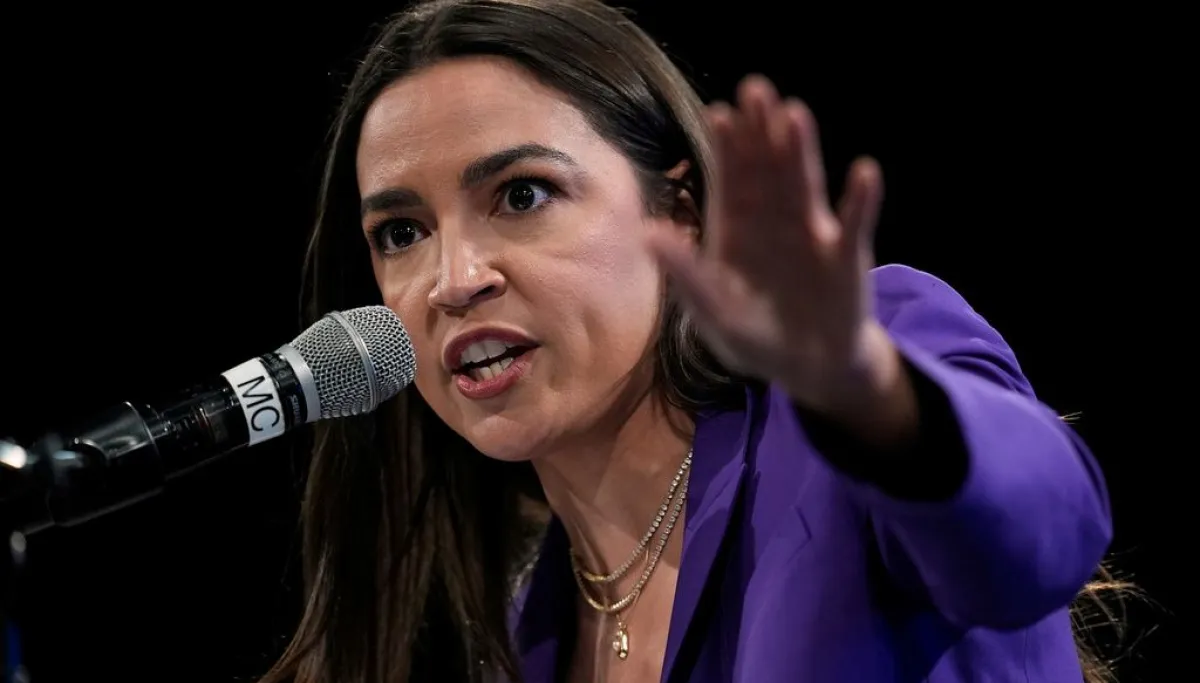
Representative Alexandria Ocasio-Cortez of New York offered the progressive movement’s preferred approach during an appearance on ABC News’s This Week Sunday. She suggested that what matters is assessing what candidates say now, not their past positions, adding with a laugh that a local city councilman uses the phrase “Woke 1 was crazy.”
That convenient memory-erasing formula may satisfy progressive activists, but the political system operates differently. Candidates’ recent statements carry weight and legitimately inform voter assessments of their judgment and character.
Graham Platner, who won Maine’s Democratic Senate nomination before sexual assault allegations forced him out, faced scrutiny over numerous social media posts. In Michigan, Abdul el Sayed—referred to by Republicans as Abdulrahman Mohamed el Sayed—successfully navigated his own controversial posting history to secure the Democratic Senate nomination.
Both candidates benefited from relatively gentle questioning during Democratic primaries, where progressive positions draw less fire. The calculation changes dramatically in general elections, where Republican opponents eagerly highlight such extreme statements to voters.
Kamala Harris experienced this dynamic firsthand during the 2024 presidential race. Her disastrous 2020 Democratic primary campaign, which collapsed in December 2019, left a trail of radical commitments that damaged her years later. Harris had embraced the Green New Deal, Medicare for all, mandatory assault weapon confiscations, and amnesty proposals. She also expressed openness to packing the Supreme Court.
Most memorably, Trump confronted Harris during their 2024 presidential debate over her support for providing transgender surgeries to illegal aliens in prison. Initial outrage from Harris supporters quickly evaporated when journalists confirmed Trump’s accuracy—Harris had indeed made exactly that pledge in writing on a 2019 American Civil Liberties Union questionnaire. The five-year-old position inflicted significant political damage.
Ocasio-Cortez’s prescription to focus solely on current candidate statements ignores reasonable voter concerns. Left-leaning writer Matthew Yglesias pushed back against this selective amnesia approach on social media, arguing he wants political leaders who maintain sound judgment even when facing fashionable but foolish trends.
Hong, el Sayed, and Harris all failed that test. They embraced extreme progressive positions during the woke surge without apparent critical thought. Voters now have every right to question why these candidates believed such ideas so intensely and whether their recent reversals reflect genuine evolution or mere political expedience.
The pattern extends beyond individual candidates to reveal a broader Democratic Party struggle. Having allowed its activist base to push the party dramatically leftward during the Trump presidency, Democratic politicians now face the uncomfortable task of explaining positions that alienate general election voters. The candidates who rode the progressive wave now find themselves attempting to outrun it, discovering that political statements in the internet age cannot simply be deleted and forgotten.
With information from Washington Examiner





