Necessary Cookies

Required for the site to function. Cannot be disabled.

Analytics Cookies

Help us understand how visitors interact with our site (Google Analytics via GTM).

Marketing Cookies

Used to track visitors and deliver personalised advertisements.

We use cookies to enhance your browsing experience and analyse site traffic. By clicking Accept All, you consent to our use of cookies. Privacy Policy
NewsFire Global
Home News Europe World Christianity Culture Wars Opinion Video
Information
About Us Authors Advertising Terms & Conditions Privacy Policy Contact
R2B Media
R2B NEWSFIRE.GR PAPAFOTIS.GR THRACTION HELLENIC CONSERVATIVES RIGHT2THEBONE YT
News World

GOP Gets Second Chance After Edwards Exits Race

Western North Carolina Republicans must select a replacement for scandal-plagued Rep. Chuck Edwards on Monday, with officials warned to prioritize electability over party loyalty.
Stefanos Banos
Stefanos Banos Staff Writer
AUGUST 6, 2026 AT 7:31 PM

The compressed timeline creates significant risk for Republicans, who must accomplish in hours what a primary typically achieves over months, according to Colton Overcash writing in Washington Examiner.

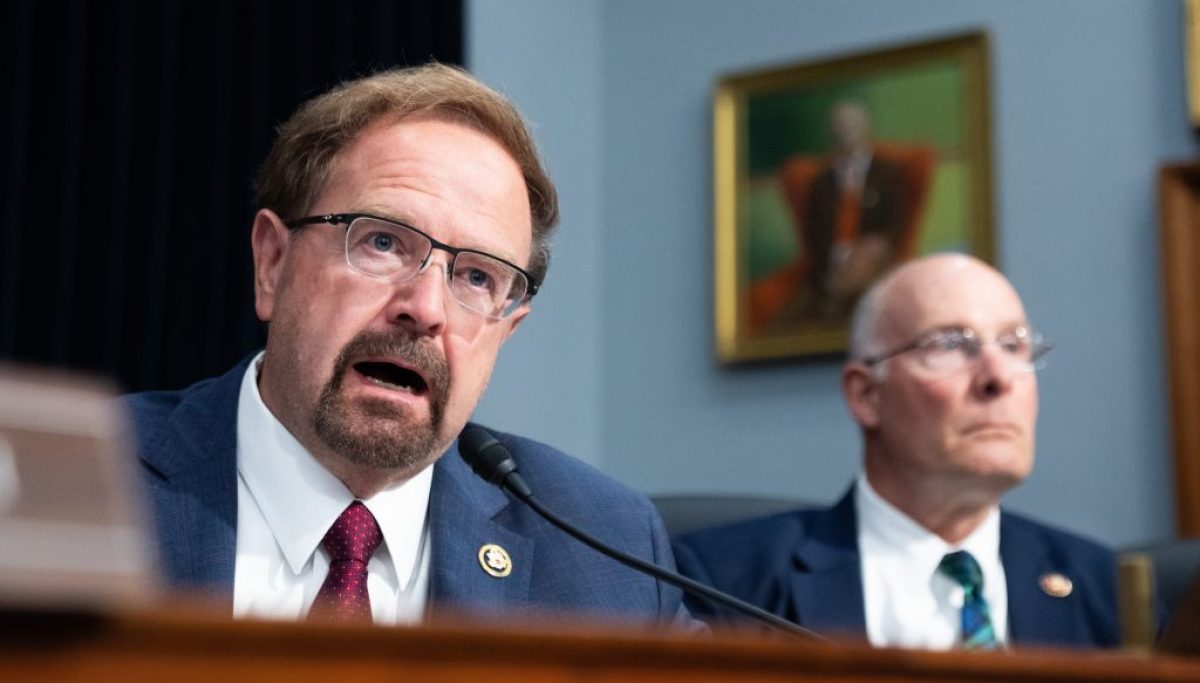
Chuck Edwards, the Republican incumbent, withdrew from the race after a bipartisan House Ethics Committee report recommended censure over unprofessional and inappropriate conduct toward two young female staffers. Under North Carolina law, the 11th Congressional District Republican Executive Committee will appoint his replacement on the November ballot Monday evening. Edwards intends to complete his current term.

The district maintains a Republican advantage, but the margin for error has disappeared. Political handicappers had already shifted the race toward competitive status before Edwards withdrew, while Democratic nominee Jamie Ager entered July with approximately $2.18 million in cash on hand and an established campaign infrastructure.


Party officials bear responsibility for selecting a nominee whose potential vulnerabilities are identified before the vote rather than discovered afterward. The columnist argues that confidential vetting of each contender’s financial interests, lawsuits, business relationships, workplace complaints, public statements and digital history is essential. Republicans cannot afford to nominate based on relationships and endorsements only to learn Tuesday afternoon what Democrats uncovered Monday evening.

Because Edwards’s exit followed an ethics scandal, the replacement nominee will receive no grace period from opponents or media. Any unresolved questions about judgment, conduct or personal discipline will face immediate investigation and amplification. The committee requires a candidate whose record can withstand scrutiny and allow Republicans to redirect conversation from scandal to substantive issues: Hurricane Helene recovery, affordability, border security, energy policy and control of the House.

Internal party relationships will determine Monday’s vote, but those relationships do not mirror the broader coalition required for November victory. The candidate who assembles the most committee votes is not automatically best positioned to win the district.

The Republican nominee must execute two simultaneous campaigns. One must maximize conservative turnout across rural and far-western counties. The other must remain credible with unaffiliated, suburban and ticket-splitting voters in Buncombe and Henderson counties, where temperament and governing competence may carry weight equal to party affiliation.

President Donald Trump carried NC-11 by approximately 10 percentage points in 2024, while Democratic Governor Josh Stein carried much of the same electorate by roughly six points. Western North Carolina voters lean Republican, but many have demonstrated willingness to separate party label from individual candidate assessment.

Republicans need a nominee who can energize conservatives without providing Democrats easy material for swing voters. This does not require ideological compromise, but rather a candidate who can connect conservative principles to practical concerns of mountain communities instead of relying exclusively on national talking points.

By Tuesday morning, the selected candidate needs an experienced campaign manager, functioning finance operation, advertising plan and commitments from Republican elected officials and donors. National Republicans may invest heavily to protect the seat, but will be more inclined to do so if the nominee arrives with established organization rather than requiring Washington to build one from scratch. Every day Republicans spend assembling operations gives Democrats another day to define the nominee on their terms.

Ager’s financial advantage compounds the urgency. The Democratic candidate possesses resources to dominate early messaging while Republicans organize, making immediate campaign readiness the critical standard for Monday’s selection.

With information from Washington Examiner

Share:
Stefanos Banos
Stefanos Banos

Stefanos Banos was born in Piraeus and is an editor at NewsFire.GR, specializing in political analysis and international relations. He graduated from the Department of Communication and Media at the University of Bremen in Germany, where he also completed his Master of Arts in Communication and Media Studies. Married to Zoi, he is a proud father of three boys.

The compressed timeline creates significant risk for Republicans, who must accomplish in hours what a primary typically achieves over months, according to Colton Overcash writing in Washington Examiner.

Chuck Edwards, the Republican incumbent, withdrew from the race after a bipartisan House Ethics Committee report recommended censure over unprofessional and inappropriate conduct toward two young female staffers. Under North Carolina law, the 11th Congressional District Republican Executive Committee will appoint his replacement on the November ballot Monday evening. Edwards intends to complete his current term.

The district maintains a Republican advantage, but the margin for error has disappeared. Political handicappers had already shifted the race toward competitive status before Edwards withdrew, while Democratic nominee Jamie Ager entered July with approximately $2.18 million in cash on hand and an established campaign infrastructure.

Party officials bear responsibility for selecting a nominee whose potential vulnerabilities are identified before the vote rather than discovered afterward. The columnist argues that confidential vetting of each contender’s financial interests, lawsuits, business relationships, workplace complaints, public statements and digital history is essential. Republicans cannot afford to nominate based on relationships and endorsements only to learn Tuesday afternoon what Democrats uncovered Monday evening.

Because Edwards’s exit followed an ethics scandal, the replacement nominee will receive no grace period from opponents or media. Any unresolved questions about judgment, conduct or personal discipline will face immediate investigation and amplification. The committee requires a candidate whose record can withstand scrutiny and allow Republicans to redirect conversation from scandal to substantive issues: Hurricane Helene recovery, affordability, border security, energy policy and control of the House.

Internal party relationships will determine Monday’s vote, but those relationships do not mirror the broader coalition required for November victory. The candidate who assembles the most committee votes is not automatically best positioned to win the district.

The Republican nominee must execute two simultaneous campaigns. One must maximize conservative turnout across rural and far-western counties. The other must remain credible with unaffiliated, suburban and ticket-splitting voters in Buncombe and Henderson counties, where temperament and governing competence may carry weight equal to party affiliation.

President Donald Trump carried NC-11 by approximately 10 percentage points in 2024, while Democratic Governor Josh Stein carried much of the same electorate by roughly six points. Western North Carolina voters lean Republican, but many have demonstrated willingness to separate party label from individual candidate assessment.

Republicans need a nominee who can energize conservatives without providing Democrats easy material for swing voters. This does not require ideological compromise, but rather a candidate who can connect conservative principles to practical concerns of mountain communities instead of relying exclusively on national talking points.

By Tuesday morning, the selected candidate needs an experienced campaign manager, functioning finance operation, advertising plan and commitments from Republican elected officials and donors. National Republicans may invest heavily to protect the seat, but will be more inclined to do so if the nominee arrives with established organization rather than requiring Washington to build one from scratch. Every day Republicans spend assembling operations gives Democrats another day to define the nominee on their terms.

Ager’s financial advantage compounds the urgency. The Democratic candidate possesses resources to dominate early messaging while Republicans organize, making immediate campaign readiness the critical standard for Monday’s selection.

With information from Washington Examiner