Vance or Rubio: Who Could Be Trump’s Successor?
The 2028 Republican presidential race between Vice President JD Vance and Secretary of State Marco Rubio will likely be decided by the November 2026 midterm election results.
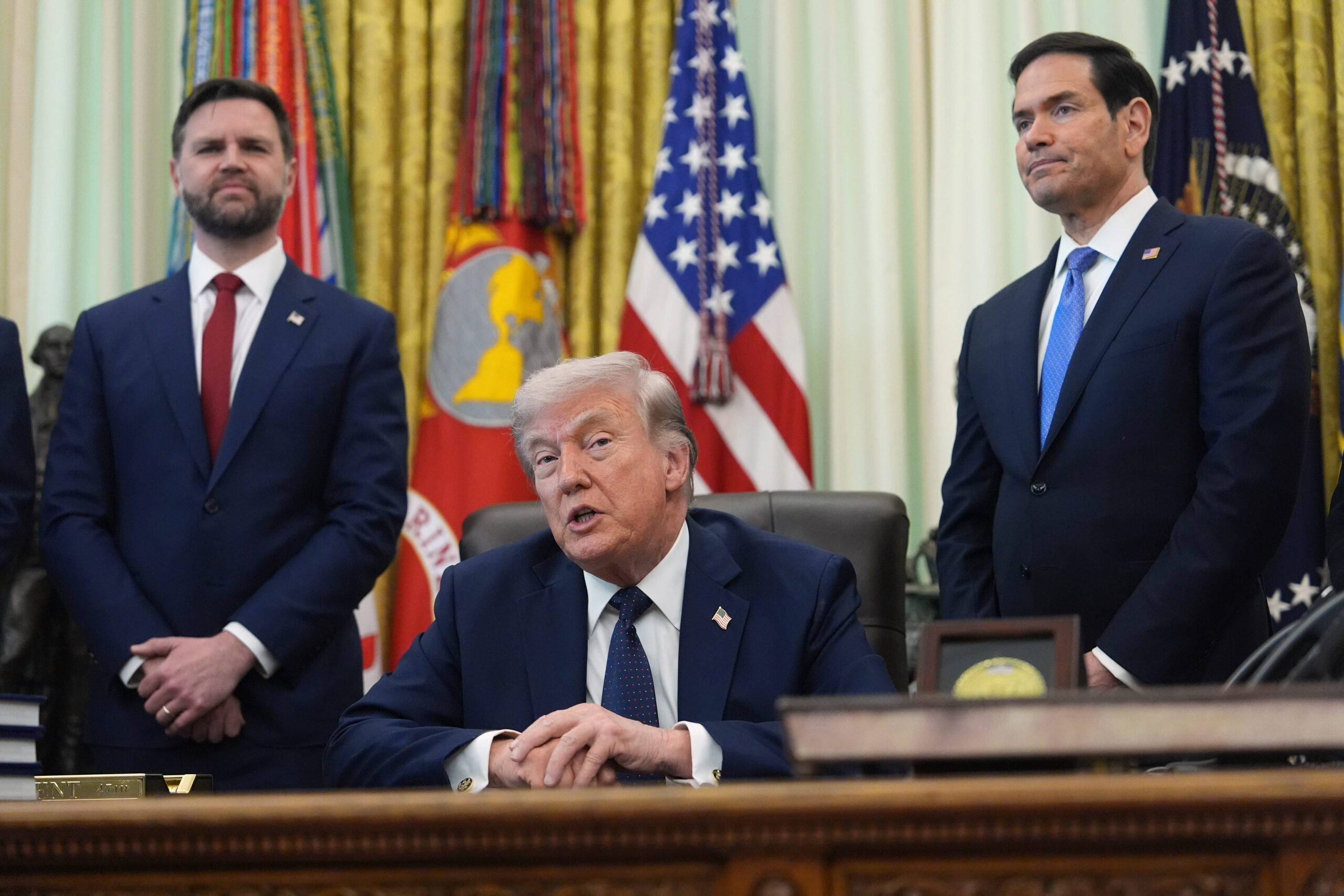

According to Claudio Casula writing in Nius, Trump has deliberately kept both men in competition, refusing to publicly back either potential successor while praising both as a potential “dream team” on the same ticket. Sources within the White House told the Washington Post that the president’s support remains fluid and his preferences shift constantly.
The midterm elections scheduled for November 3, 2026, could prove pivotal in determining which candidate gains the upper hand. Current polling shows challenging conditions for Republicans, with only 36 percent of Americans supporting the war against Iran and 71 percent disapproving of Trump’s handling of rising living costs.
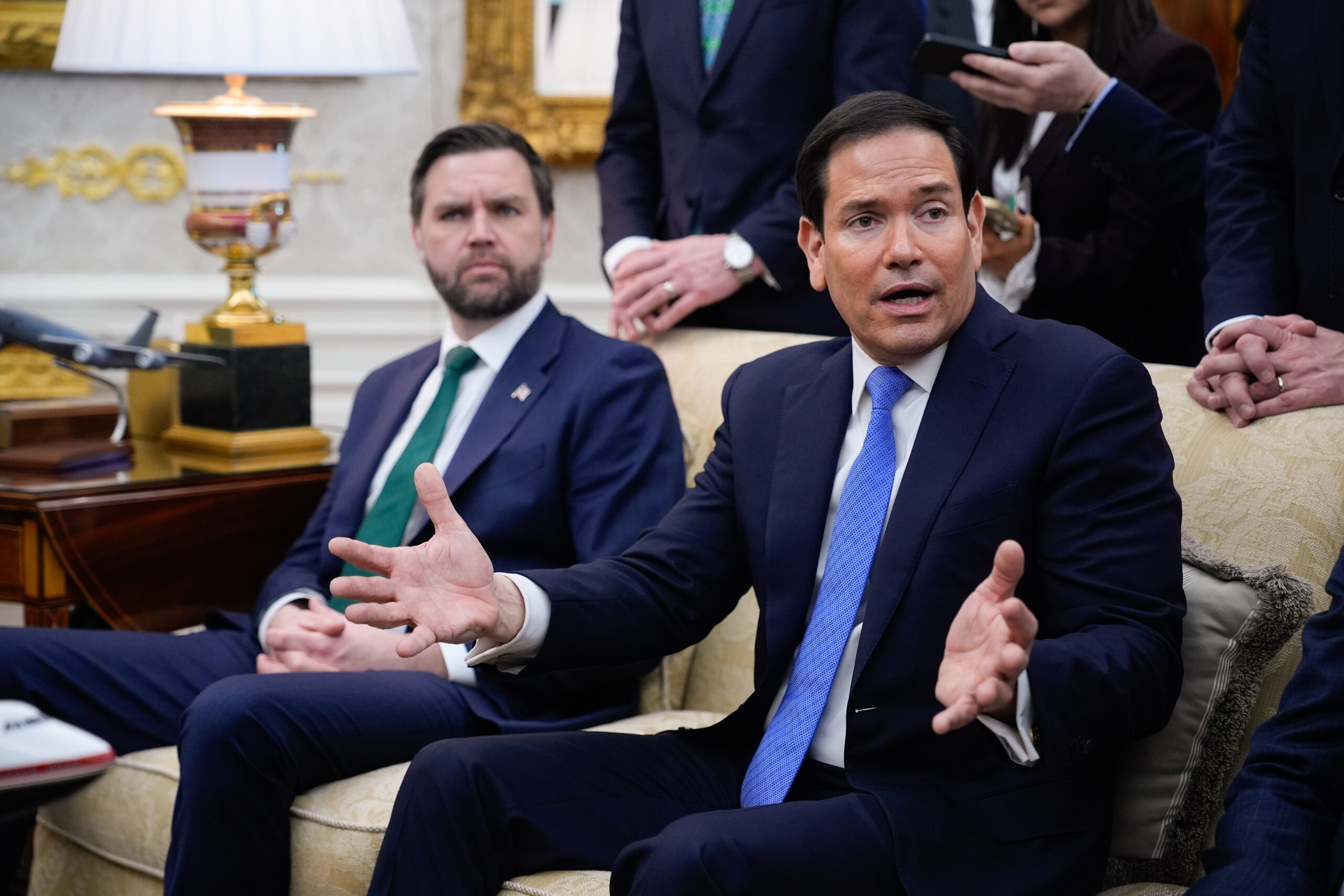
Midterm Results Will Shape the Succession Battle
The outcome of the midterms will likely determine which political approach the Republican Party embraces moving forward. If Republicans suffer significant losses—losses that would inevitably be attributed to Trump—both Vance and Rubio would need to convincingly articulate what the Grand Old Party should look like in the post-Trump era and demonstrate how they would distance themselves from the administration’s weaknesses.
A poor Republican performance could trigger questions within the GOP about whether a different style is needed after Trump, which would benefit Rubio’s more diplomatic approach. Conversely, if Republicans succeed at the polls, it would strengthen the argument for continuing the MAGA model—favoring Vance’s candidacy.
Trump has offered praise for both men, calling them “fantastic” and stating that he believes the combination of JD and Marco would be hard to beat. He characterized one as “somewhat more diplomatic than the other” while considering both highly intelligent and describing both as doing a “great job.”
Vance Positioned as Natural Heir
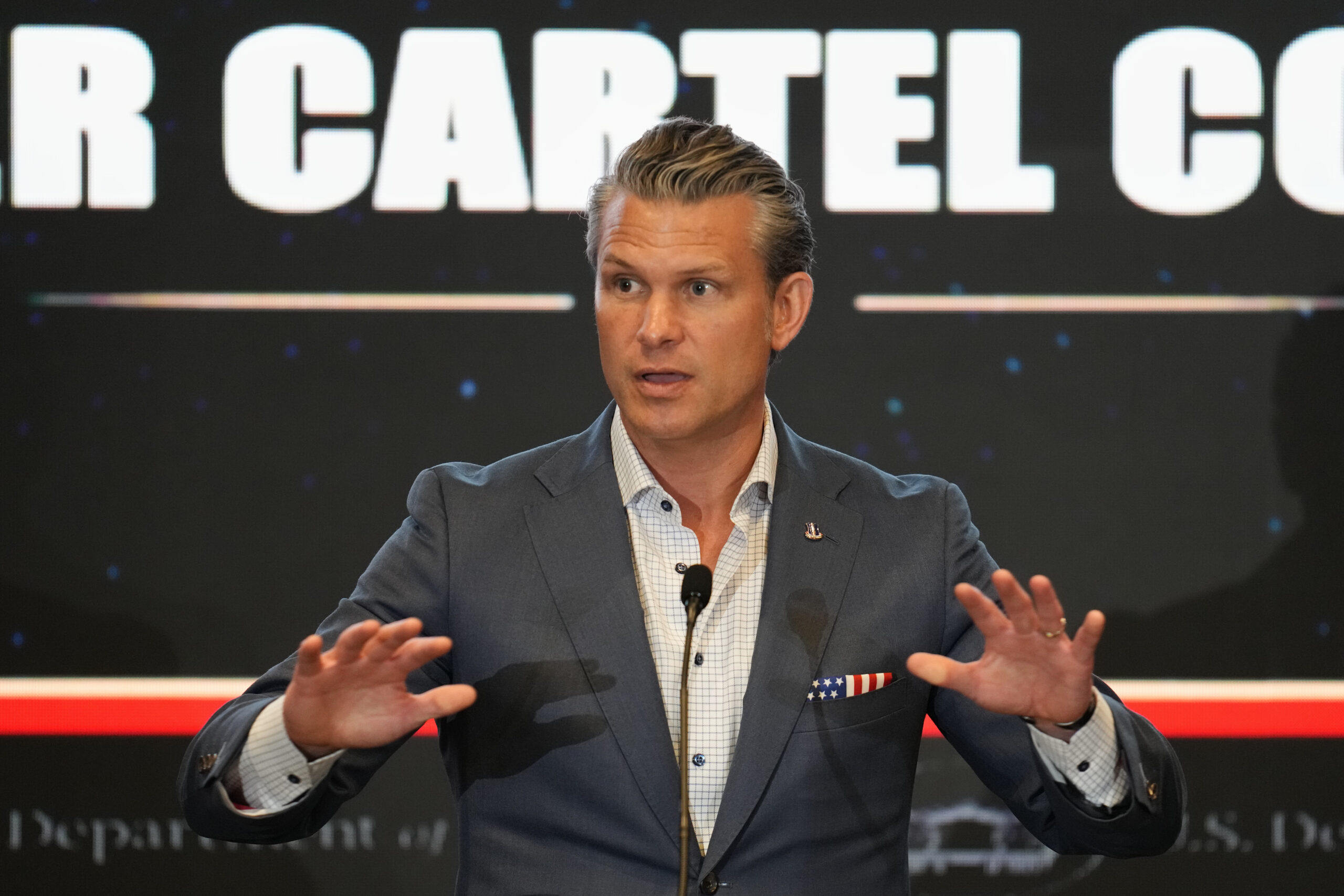
While other contenders exist in the field—including Ron DeSantis, Nikki Haley, and speculative reports about Defense Secretary Pete Hegseth (which Hegseth immediately denied as “100 percent false,” insisting his sole mission is making the Defense Department great)—the contest appears destined to narrow down to Vance versus Rubio.
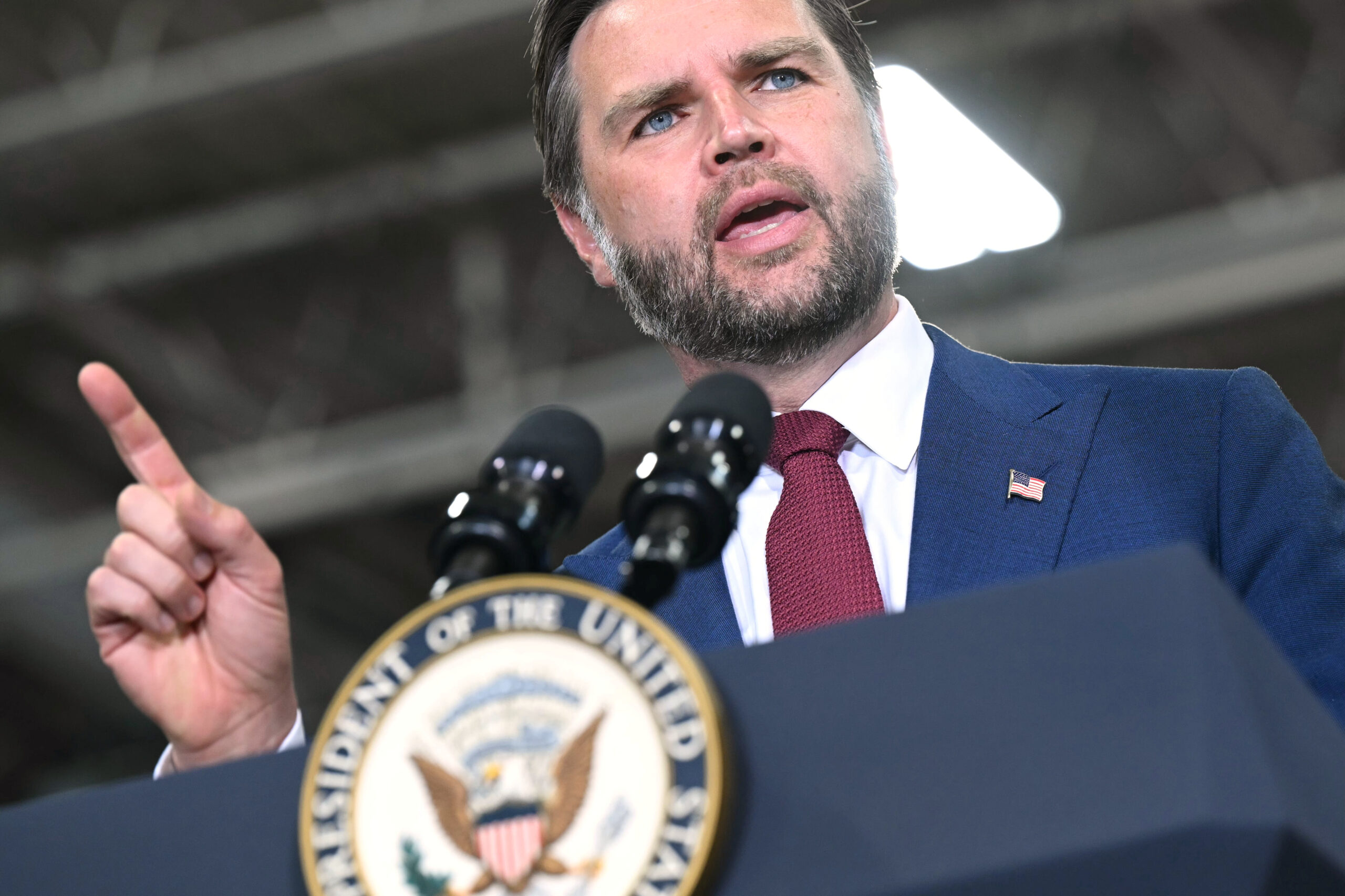
As vice president, Vance is widely regarded as Trump’s natural successor within the Republican Party. He commands the strongest support among the GOP base and remains firmly aligned with the MAGA movement—essential credentials for anyone seeking to inherit Trump’s mantle, given that the 2028 GOP is unlikely to simply revert to its 2012 incarnation.
Vance brings intellectual firepower, ideological conviction, a deliberately provocative style, strong media skills, and aggressive rhetoric. He maintains skepticism toward wars without clear endpoints, extensive military support for foreign nations, interventions lacking direct American benefit, and foreign policy aimed at actively promoting democracy and human rights globally.
The Iran war presents particular political complications for Vance, as he attempts to simultaneously demonstrate loyalty to Trump while preserving his own skepticism about prolonged foreign conflicts.
Rubio Offers Broader Appeal
Rubio, by contrast, advocates for a more active American leadership role globally. He is markedly more interventionist, strongly pro-Israel, and as the son of Cuban exiles, fiercely anti-communist. His approach emphasizes international alliances and interprets “America First” primarily as American strength and leadership, whereas Vance views it more through the lens of restraint and prioritization of domestic interests.
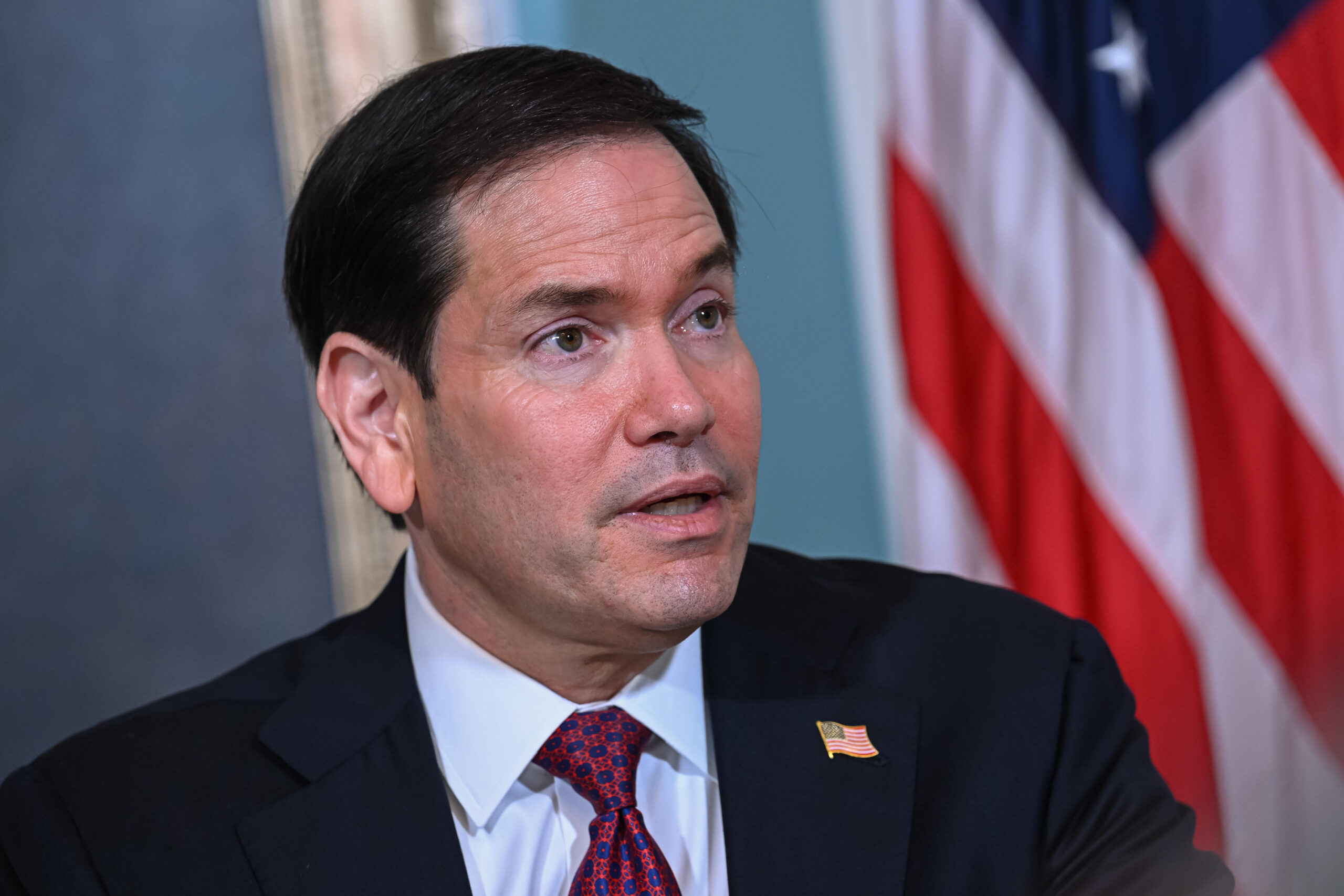
The Secretary of State presents as more diplomatic, experienced, less confrontational, and more oriented toward traditional political coalition-building than Vance. He possesses the ability to communicate with different factions of the GOP without needing to prove his MAGA credentials while simultaneously appealing to both MAGA voters and traditional Republicans. Crucially, he demonstrates broader appeal across the entire American electorate.
Rubio’s popularity has increased substantially in recent months. Polling data indicates that as the Republican presidential nominee, he would have stronger chances in a general election compared to other potential candidates.
Trump’s Endorsement Remains the Prize
Regardless of how the midterms unfold, Trump’s eventual endorsement will exert enormous influence over the Republican presidential nomination race, which officially begins only after the midterm elections but has already commenced in practice.
Both Vance and Rubio find themselves in the unusual position of serving loyally in the Trump administration while positioning themselves as potential successors—a delicate balancing act that requires supporting the president’s agenda while simultaneously establishing their own distinct political identities for the post-Trump era.
The next several months will test whether the Republican Party’s future lies with Vance’s populist continuation of Trumpism or Rubio’s more traditional conservative internationalism wrapped in MAGA-compatible rhetoric.
With information from Nius