Abdul El-Sayed and DSA Cronies Poised to Seize Democrat Party
A hard-left health bureaucrat with socialist ties won Michigan's Democratic Senate nomination, raising concerns about the party's radical shift and implications for national politics.
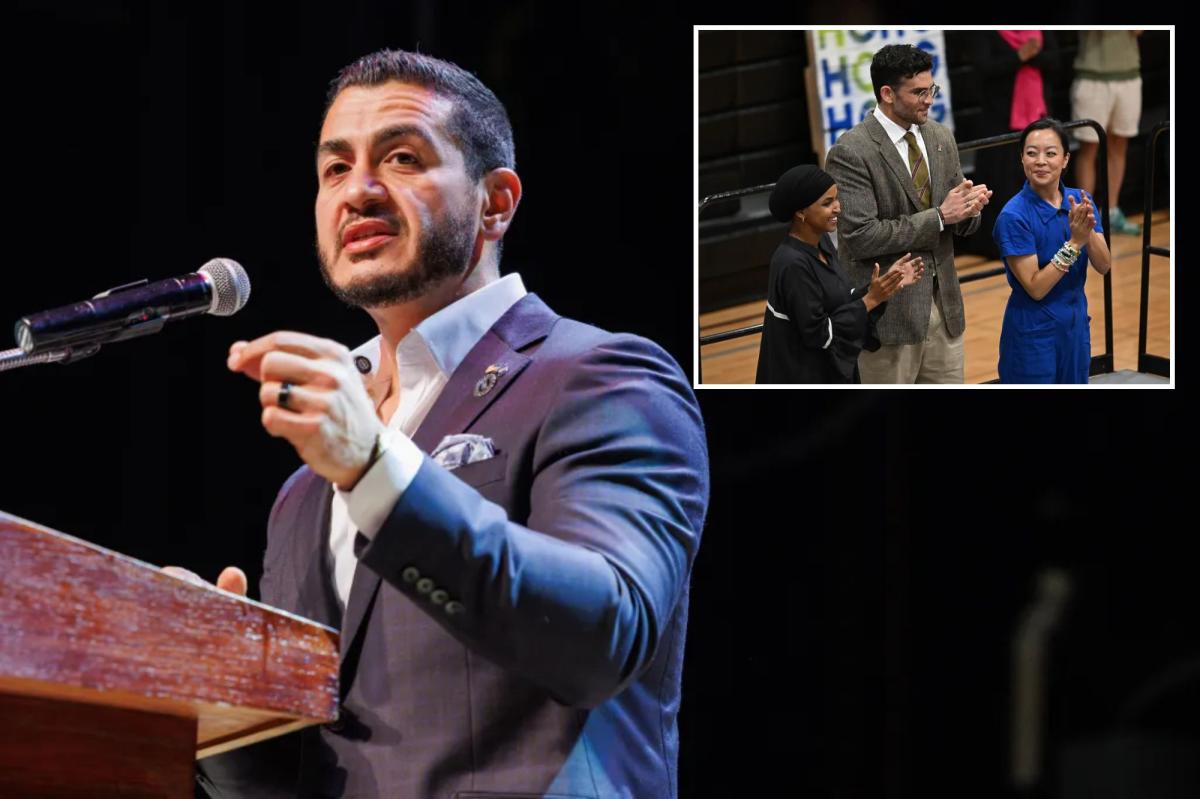

Abdul El-Sayed narrowly won the Michigan Senate primary this week, underperforming his polling numbers despite heavy media backing, according to Miranda Devine writing in New York Post. The former lockdown advocate has become the latest figure in what critics describe as a far-left takeover of the Democratic Party from within.
The victory carries significant implications for national politics. If El-Sayed can win in November in one of America’s most competitive swing states, it would demonstrate that radical candidates can succeed in the Midwest heartland, potentially opening the door for similar figures at even higher levels of government.
While this leftward shift poses dangers for Democrats and concerns for the country, it also presents opportunities for Republicans—assuming they can capitalize on them effectively.
Distancing From Socialist Roots
El-Sayed has attempted to distance himself from his earlier associations with the Democratic Socialists of America, now presenting himself as a scientist rather than a socialist. However, the DSA itself remains undeceived about his true allegiances.
Like other progressive candidates, he has scrubbed substantial amounts of social media content that revealed his authentic hard-left positions, including support for defunding police, abolishing ICE, and prison abolition. This strategic repositioning aims to make him appear more moderate to mainstream voters tired of traditional politics.
Political observers have praised his transformation skills, with some comparing him to Bill Clinton and calling him a political athlete. Yet his extremism remains detectable beneath the polished rhetoric.
Revealing Rhetoric
In his victory speech Wednesday morning, El-Sayed issued what some interpreted as a veiled threat to Republican opponent Mike Rogers, stating that Rogers would have no safe quarter in Michigan from people holding him accountable.
Last year, following a terrorist attack on a synagogue and preschool in West Bloomfield, a Detroit suburb, carried out by a Lebanese-born Hezbollah sympathizer, El-Sayed offered a controversial response suggesting that circumstances happening thousands of miles away can affect local lives.
When addressing his base supporters, his language becomes more aggressive. He has told crowds that when opponents go low, Democrats should not go high but instead take them to the mud and choke them out.
Troubling Associations
El-Sayed maintains a close relationship with Hasan Piker, a self-appointed DSA mascot and Twitch streamer who once claimed America deserved the September 11 terrorist attacks. Piker recently dressed as Mao Zedong, whom he has called one of the world’s great leaders, despite the Chinese dictator’s responsibility for tens of millions of deaths.
Piker has also engaged with assassination fantasies, according to video footage circulating on social media. In one unverified clip, he appears on stage with Taylor Lorenz, the former New York Times journalist who expressed joy at the murder of healthcare CEO Brian Thompson, allegedly by Luigi Mangione.
Rather than avoiding such controversial figures, El-Sayed has actively campaigned with Piker and posted workout videos with him. On election eve, he publicly celebrated with Piker at a pool party, displaying what some view as excessive confidence by boasting he would defeat Rogers by five points.
Piker himself celebrated prematurely at El-Sayed’s alcohol-free watch party Tuesday night, declaring this was just the beginning and expressing hope the movement would spread across the entire United States, mentioning Wisconsin specifically.
Part of a Broader Pattern
The Michigan race represents just one example of this trend. In Wisconsin, Francesca Hong, the Democratic gubernatorial favorite facing a primary next week, has similarly attempted to distance herself from radical positions that initially propelled her to political prominence.
Among her previously stated views, Hong has advocated for abolishing police and Thanksgiving, called tipping racist, and made controversial statements about white people.
When Rogers references the Democratic “crazy train,” he will need to account for candidates like Hong and El-Sayed who exemplify the party’s leftward trajectory—a shift that may ultimately determine whether Republicans can reclaim ground in crucial battleground states.
With information from New York Post