Necessary Cookies

Required for the site to function. Cannot be disabled.

Analytics Cookies

Help us understand how visitors interact with our site (Google Analytics via GTM).

Marketing Cookies

Used to track visitors and deliver personalised advertisements.

We use cookies to enhance your browsing experience and analyse site traffic. By clicking Accept All, you consent to our use of cookies. Privacy Policy
NewsFire Global
Home News Europe World Christianity Culture Wars Opinion Video
Information
About Us Authors Advertising Terms & Conditions Privacy Policy Contact
R2B Media
R2B NEWSFIRE.GR PAPAFOTIS.GR THRACTION HELLENIC CONSERVATIVES RIGHT2THEBONE YT
News World

Trump’s Border Crackdown: Restoring American Sovereignty

A conservative initiative is launching debates on American identity and immigration policy as competing visions divide the movement in the post-Trump era.
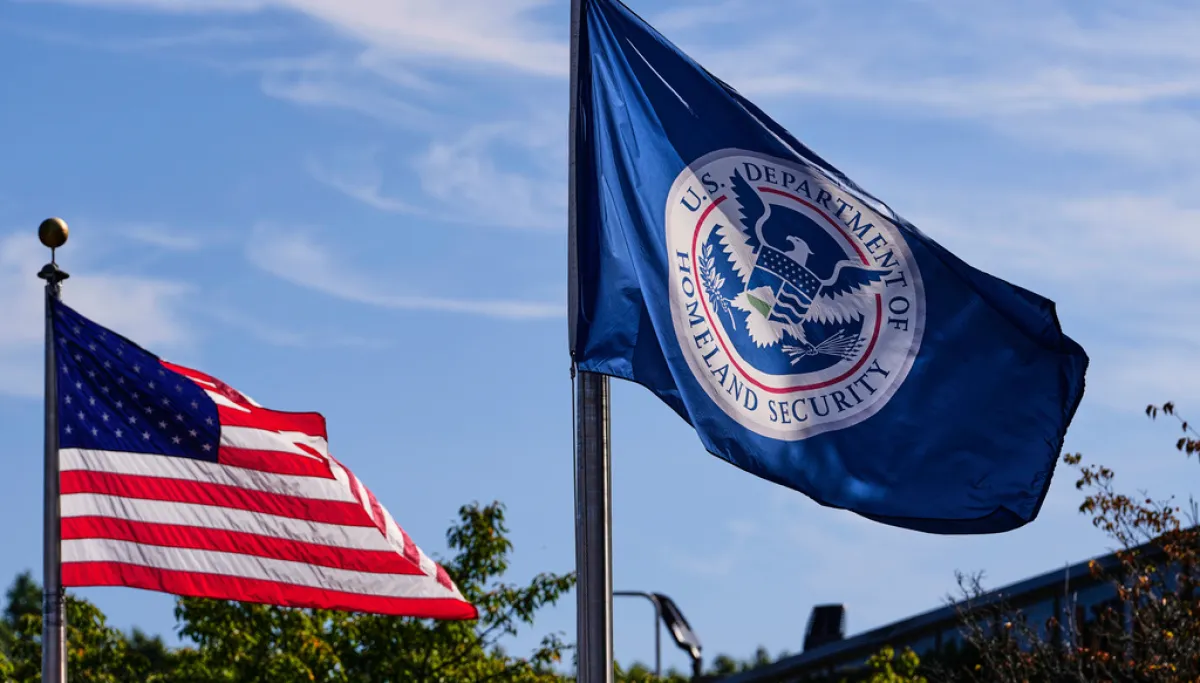
Stefanos Banos
Stefanos Banos Staff Writer
AUGUST 3, 2026 AT 6:59 PM

The series “The Right Way Forward,” organized by Restoring America, deliberately avoids enforcing ideological uniformity among conservatives, instead encouraging substantive disagreement over core questions facing the movement. According to Washington Examiner, the second installment of this think tank project tackles American identity head-on, asking what it means today and how the answer should shape policy.

The initiative follows an earlier debate in May, when prominent conservative institutions clashed over the proper role of government in economic affairs. This time, the focus shifts to more existential terrain: the nature of American national identity itself.

The Identity Crisis at the Heart of American Politics

For much of the nation’s history, immigrants understood they were entering a country with a distinct character built on specific ideals and values. Assimilation was expected, and newcomers generally accepted and embraced this reality. But the contemporary left has fundamentally rejected this framework, dismissing the American creed and cultural heritage as mere justifications for historical oppression.

The fallout has been dramatic. What was once understood as assimilation is now condemned as cultural erasure. Hyphenated identities increasingly displace a unified American identity. An entire generation of immigrants has been actively taught to maintain ethnic loyalties while viewing American identity with suspicion rather than pride.

Meanwhile, significant tension exists within the conservative movement itself over what constitutes American identity. Is America fundamentally a creedal nation, anchored in the principles of the Declaration of Independence? Or is it defined by a particular cultural and civilizational inheritance?

Competing Conservative Visions

Spencer Klavan of the Claremont Institute draws a sharp distinction between pluralism and multiculturalism. True pluralism, he argues, means Americans of various backgrounds working together as a single body politic, a concept deeply rooted in American heritage. Multiculturalism, by contrast, treats America as a formless container for people from every background, actively subverting the nation’s founding principles.

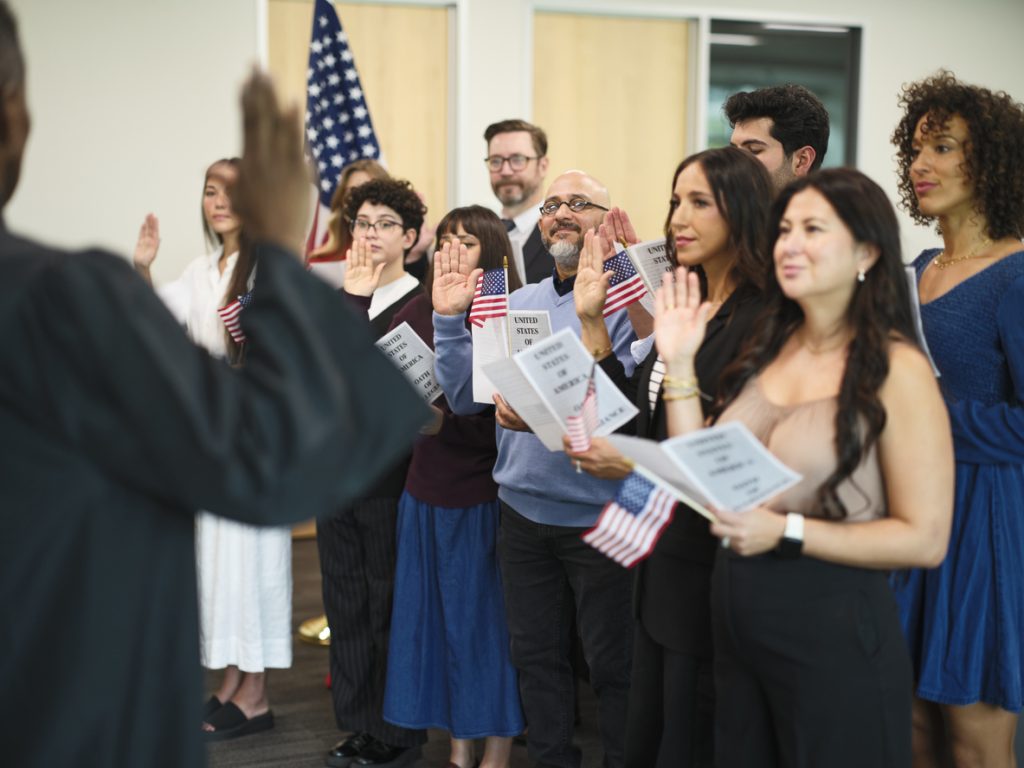
Luma Simms from the Ethics and Public Policy Institute points to the Naturalization Oath of Allegiance as the proper guide. When immigrants swear to renounce all allegiance to foreign powers and pledge faith to the United States and its Constitution, this requires a genuine transformation in mind and heart, not merely outward compliance. The oath demands more than avoiding treason; it requires a fundamental reorientation of loyalty and identity.

David P. Deavel of the University of St. Thomas in Houston takes a restrictionist position. Immigration serves America’s interests only when it is legal, controlled, non-mass in scale, and avoids overwhelming American communities, infrastructure, and culture. Any future immigration policy will be judged successful only if these conditions are met, he contends.

Enforcement and Child Protection

Andrew Arthur of the Center for Immigration Studies emphasizes that deportation capability is essential to any functional immigration system. Without enforcement mechanisms, the Department of Homeland Security becomes nothing more than an endless benefits dispenser for any alien with resources and motivation to enter the country, legally or otherwise. Meaningful sovereignty, public safety, and national security all depend on credible deportation authority.

Chad Wolf and Tony Pham of the America First Policy Institute focus on the scandal of trafficked children. They argue that those who claim to champion human dignity and defend illegal aliens should welcome efforts to identify children trapped in abusive situations, rather than reflexively opposing such measures simply because Immigration and Customs Enforcement carries them out.

The debate series highlights deep disagreements within the conservative movement over American identity, immigration policy, and the balance between cultural preservation and demographic openness. The questions raised will likely shape conservative political strategy and policy positions for years to come.

With information from Washington Examiner

Share:
Stefanos Banos
Stefanos Banos

Stefanos Banos was born in Piraeus and is an editor at NewsFire.GR, specializing in political analysis and international relations. He graduated from the Department of Communication and Media at the University of Bremen in Germany, where he also completed his Master of Arts in Communication and Media Studies. Married to Zoi, he is a proud father of three boys.

The series “The Right Way Forward,” organized by Restoring America, deliberately avoids enforcing ideological uniformity among conservatives, instead encouraging substantive disagreement over core questions facing the movement. According to Washington Examiner, the second installment of this think tank project tackles American identity head-on, asking what it means today and how the answer should shape policy.

The initiative follows an earlier debate in May, when prominent conservative institutions clashed over the proper role of government in economic affairs. This time, the focus shifts to more existential terrain: the nature of American national identity itself.
The Identity Crisis at the Heart of American Politics

For much of the nation’s history, immigrants understood they were entering a country with a distinct character built on specific ideals and values. Assimilation was expected, and newcomers generally accepted and embraced this reality. But the contemporary left has fundamentally rejected this framework, dismissing the American creed and cultural heritage as mere justifications for historical oppression.

The fallout has been dramatic. What was once understood as assimilation is now condemned as cultural erasure. Hyphenated identities increasingly displace a unified American identity. An entire generation of immigrants has been actively taught to maintain ethnic loyalties while viewing American identity with suspicion rather than pride.

Meanwhile, significant tension exists within the conservative movement itself over what constitutes American identity. Is America fundamentally a creedal nation, anchored in the principles of the Declaration of Independence? Or is it defined by a particular cultural and civilizational inheritance?

Competing Conservative Visions

Spencer Klavan of the Claremont Institute draws a sharp distinction between pluralism and multiculturalism. True pluralism, he argues, means Americans of various backgrounds working together as a single body politic, a concept deeply rooted in American heritage. Multiculturalism, by contrast, treats America as a formless container for people from every background, actively subverting the nation’s founding principles.

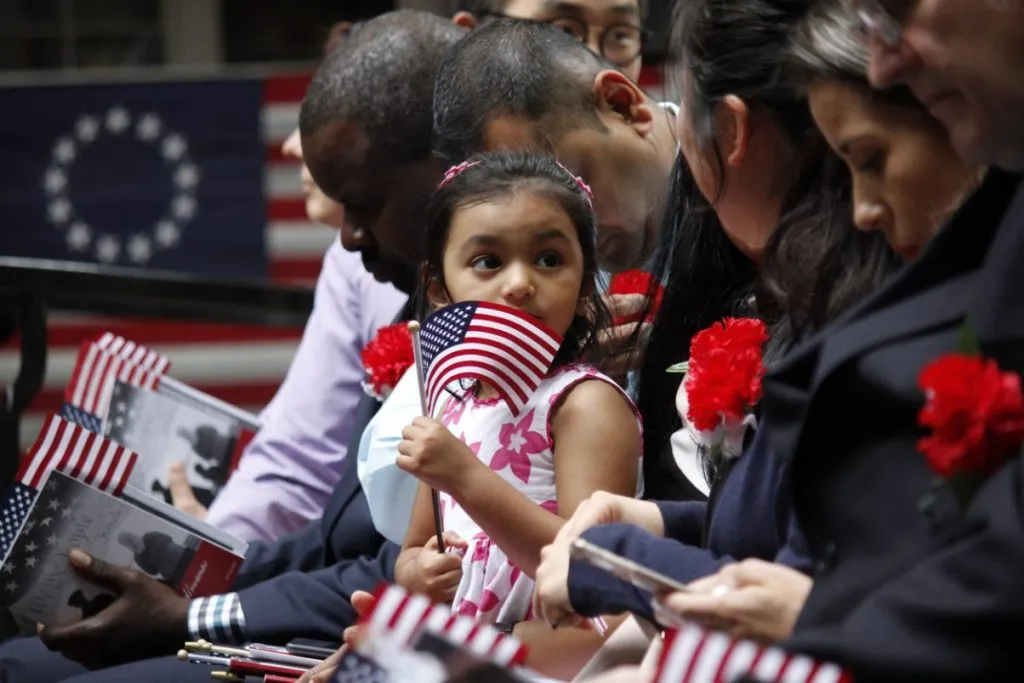
Luma Simms from the Ethics and Public Policy Institute points to the Naturalization Oath of Allegiance as the proper guide. When immigrants swear to renounce all allegiance to foreign powers and pledge faith to the United States and its Constitution, this requires a genuine transformation in mind and heart, not merely outward compliance. The oath demands more than avoiding treason; it requires a fundamental reorientation of loyalty and identity.

David P. Deavel of the University of St. Thomas in Houston takes a restrictionist position. Immigration serves America’s interests only when it is legal, controlled, non-mass in scale, and avoids overwhelming American communities, infrastructure, and culture. Any future immigration policy will be judged successful only if these conditions are met, he contends.

Enforcement and Child Protection

Andrew Arthur of the Center for Immigration Studies emphasizes that deportation capability is essential to any functional immigration system. Without enforcement mechanisms, the Department of Homeland Security becomes nothing more than an endless benefits dispenser for any alien with resources and motivation to enter the country, legally or otherwise. Meaningful sovereignty, public safety, and national security all depend on credible deportation authority.

Chad Wolf and Tony Pham of the America First Policy Institute focus on the scandal of trafficked children. They argue that those who claim to champion human dignity and defend illegal aliens should welcome efforts to identify children trapped in abusive situations, rather than reflexively opposing such measures simply because Immigration and Customs Enforcement carries them out.

The debate series highlights deep disagreements within the conservative movement over American identity, immigration policy, and the balance between cultural preservation and demographic openness. The questions raised will likely shape conservative political strategy and policy positions for years to come.

With information from Washington Examiner


