
US push to reunify Libya’s institutions meets rising opposition
Washington's diplomatic push in Libya is stalling as key factions reject an American-backed plan to install Saddam Haftar in the Presidential Council, raising doubts about U.S. credibility in the region.
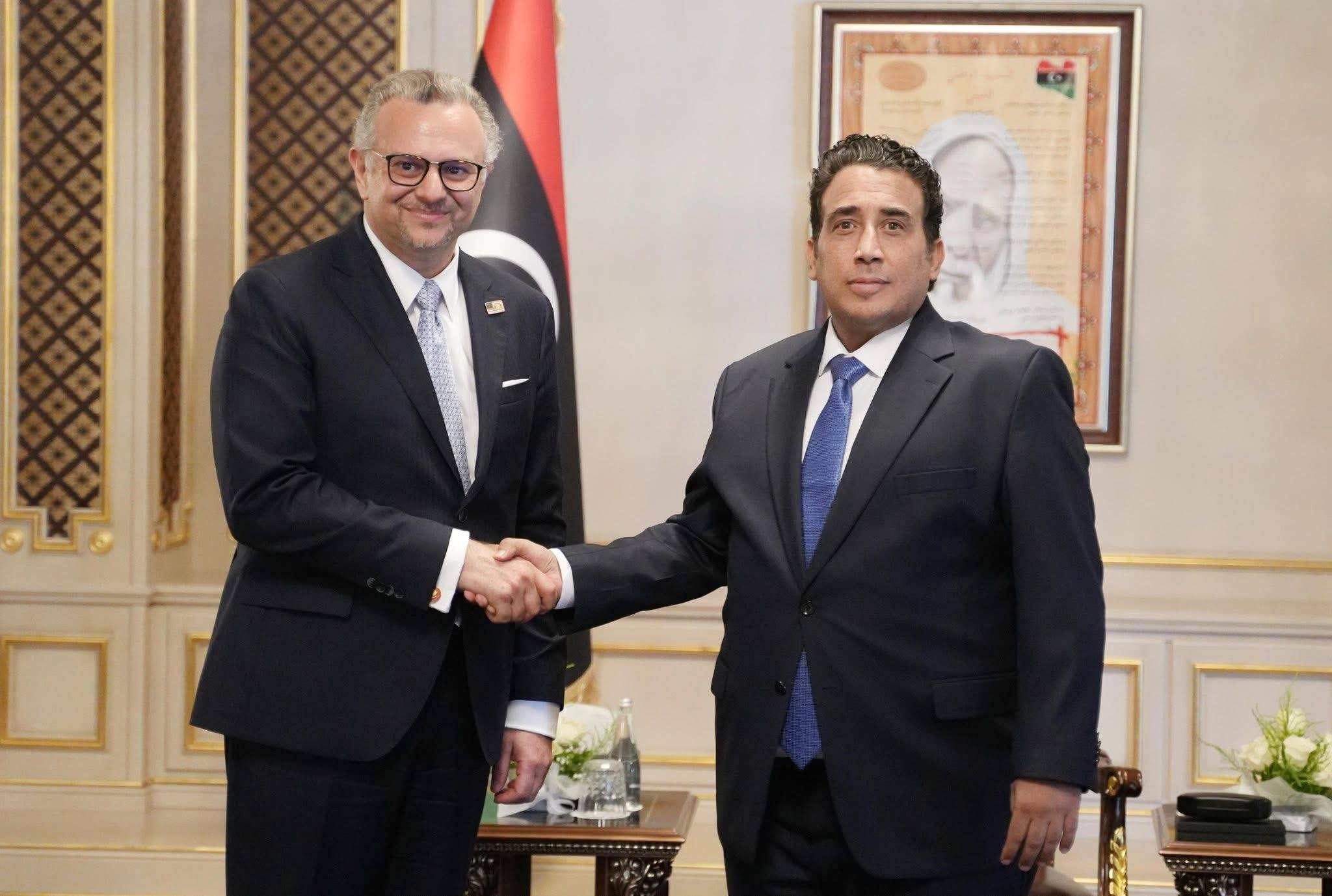
Massad Boulos, senior adviser to President Donald Trump on Arab and Middle Eastern Affairs, conducted what was billed as a landmark diplomatic mission to Libya earlier this month, according to Middle East Eye. Yet more than a month later, the envoy has failed to produce any concrete roadmap for reunifying the country’s rival administrations—raising serious questions about American credibility and strategic vision in North Africa.
During his visit, Boulos held meetings with Libya’s competing power centers. On July 7, he sat down with Prime Minister Abdul Hamid Dbeibah in Tripoli, followed by talks with Field Marshal Khalifa Haftar in Benghazi the next day. The envoy also engaged with other influential figures including Central Bank governor Naji Issa and members of the Council of Elders in Misrata, the country’s commercial powerhouse.
Prior to these meetings, Boulos met with representatives from both camps in Malta on July 6. Despite this flurry of diplomatic activity, what he repeatedly called “unification efforts”—now dubbed the “Boulos initiative”—has produced no tangible results beyond a unified budget agreement reached in April.
A Plan to Elevate Haftar’s Son
The core controversy centers on reports that Washington is backing Saddam Haftar, one of Khalifa Haftar’s six sons, to lead Libya’s Presidential Council—the highest executive body currently chaired by the more neutral Mohamed Menfi. The Financial Times reported in June, citing sources familiar with the negotiations, that this appointment forms the centerpiece of the American proposal.
Saddam Haftar, widely viewed as heir apparent to his 82-year-old father’s military empire in eastern Libya, has become a flashpoint for opposition to the U.S. initiative. When Boulos arrived in Misrata on July 7, he was greeted by protesters denouncing what they called a “suspicious deal.”
The resistance from Misrata carries particular weight. Located 100 kilometers east of Tripoli, the city’s militias formed the backbone of resistance to Khalifa Haftar’s 2019-2020 offensive on western Libya. Business and military elites there have maintained fierce opposition to the Haftar family’s ambitions.
Younes al-Salabi, spokesman for the Misrata Military Council—one of Libya’s largest armed formations—told Middle East Eye that the criminal Haftar is responsible for everything happening today, this is reason enough to reject a solution that would grant his family official positions.
War Crimes Allegations Shadow U.S. Strategy
The opposition to empowering the Haftar family extends beyond political grievances. The latest United Nations Panel of Experts report on Libya documented widespread human rights abuses and corruption involving factions aligned with both the Haftar and Dbeibah families.
Khalifa Haftar specifically faces accusations of war crimes from organizations including Human Rights Watch. A U.S. court has ruled that he bears responsibility for torture and extrajudicial executions carried out by forces under his command—making Washington’s apparent backing of his son’s elevation all the more controversial.
Resistance Beyond Misrata
Opposition to the Boulos plan extends to Libya’s southern reaches. Mohamed Wardago, a rebel leader whose armed group has waged an insurgency against Haftar’s forces since January, told Middle East Eye from his base in the southern desert that “nobody can accept that Haftar and his sons should hold key sovereign positions within the Libyan state.”
Wardago added that his forces have also heard about the U.S. initiative to install Saddam as head of the Presidential Council—a prospect he flatly rejected.
Even officials aligned with Haftar have expressed confusion about Washington’s intentions. Aguilah Saleh, Speaker of the House of Representatives based in the eastern city of Tobruk, confirmed on July 19 that the legislative body had “so far not received anything official regarding [Boulos’s] initiative.”
Libya’s Fractured Landscape
Libya has remained divided since 2014, when a second civil war erupted following the NATO-backed overthrow of longtime ruler Muammar Gaddafi in 2011. Eastern Libya is controlled by Haftar and his allies, while a UN-backed government led by Dbeibah governs from Tripoli in the west.
Although large-scale fighting ended in 2020, the country remains split between rival administrations. The UN Support Mission has led the peace process, but progress has been minimal. Boulos publicly committed Washington last September to actively promoting unification of Libya’s divided institutions, yet after nearly a year of negotiations and regular meetings with Libyan officials, only the April budget agreement stands as evidence of progress.
Jalel Harchaoui, an analyst specializing in North Africa, confirmed that Saddam Haftar’s appointment to the Presidential Council represents “the main element of the deal” being pushed by the United States.
Implications for Mediterranean Stability
The apparent collapse of American diplomatic momentum in Libya carries significant implications for Mediterranean security and regional stability. Libya’s ongoing division creates openings for rival powers including Turkey, Russia, and regional actors to expand their influence in a country that sits atop Africa’s largest proven oil reserves and controls critical Mediterranean migration routes.
Washington’s inability to bridge Libya’s factional divides—or worse, its apparent backing of a figure widely accused of serious human rights violations—risks further eroding U.S. credibility in North Africa at a time when strategic competition in the region is intensifying.
The stalled Boulos initiative suggests that despite Trump administration efforts to reassert American influence in the Middle East and North Africa, deep-rooted local opposition to heavy-handed diplomatic solutions may prove insurmountable—particularly when those solutions appear to reward actors with documented records of abuses.
With information from Middle East Eye





