Necessary Cookies

Required for the site to function. Cannot be disabled.

Analytics Cookies

Help us understand how visitors interact with our site (Google Analytics via GTM).

Marketing Cookies

Used to track visitors and deliver personalised advertisements.

We use cookies to enhance your browsing experience and analyse site traffic. By clicking Accept All, you consent to our use of cookies. Privacy Policy
NewsFire Global
Home News Europe World Christianity Culture Wars Opinion Video
Information
About Us Authors Advertising Terms & Conditions Privacy Policy Contact
R2B Media
R2B NEWSFIRE.GR PAPAFOTIS.GR THRACTION HELLENIC CONSERVATIVES RIGHT2THEBONE YT
News World

Tehran fires rockets at US troops for first time since attack pause

Iran launched ballistic missiles at U.S. troops in the Middle East during Netanyahu's White House visit, marking Tehran's first unprovoked attack without prior strikes by Washington or Israel.

JULY 29, 2026 AT 10:01 AM

The U.S. Central Command announced via social media platform X that all incoming projectiles were successfully intercepted, though officials did not immediately specify which facility had been targeted. American news outlet Axios later reported that the missiles were aimed at a U.S. military base located in Jordan.

The strike represents a significant escalation in Iranian aggression, as Iran expert Hamidreza Azizi noted on X that this marked the first time Tehran had launched an attack without first being struck by either the United States or Israel.
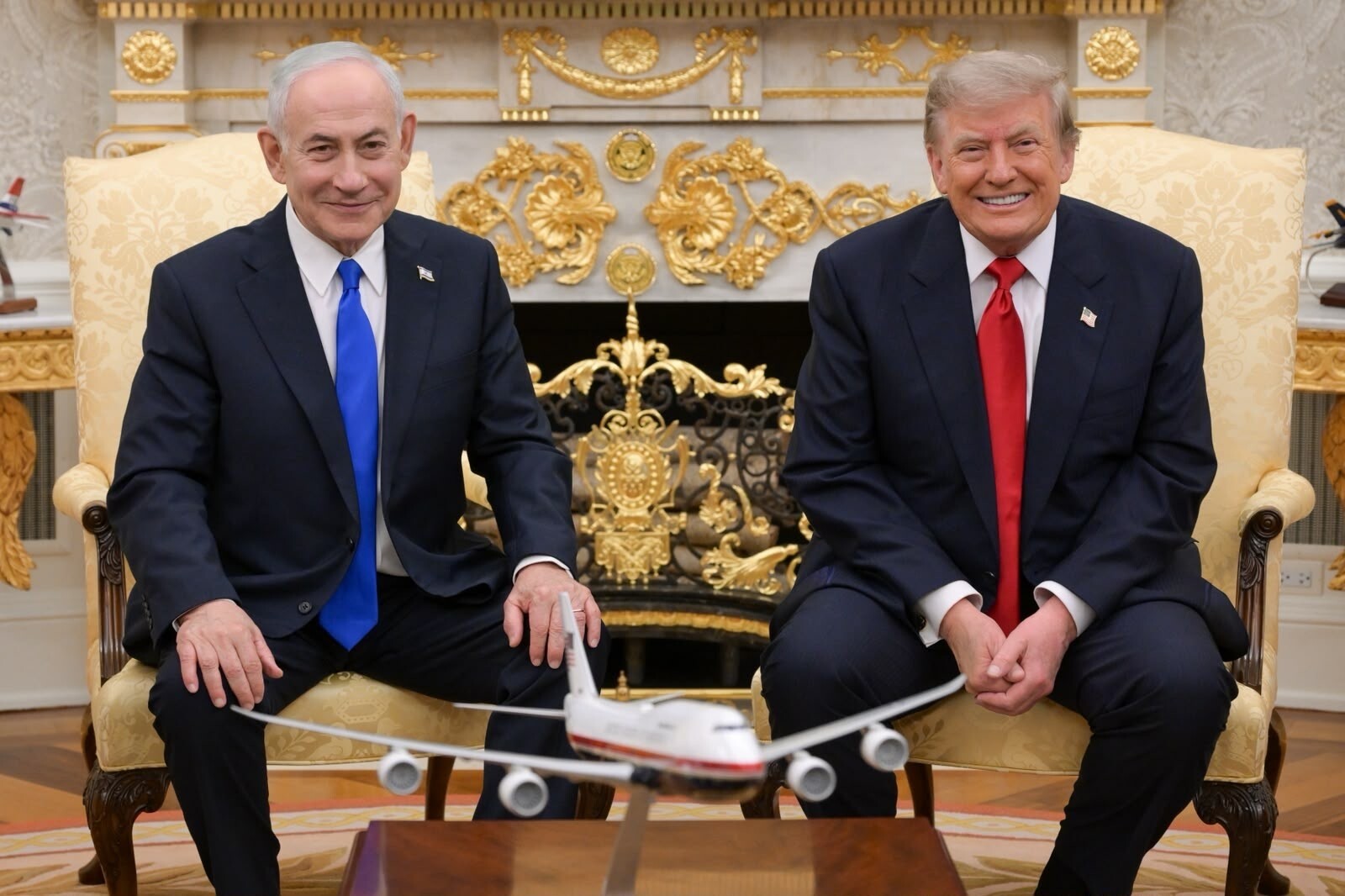
Trump und Netanjahu am 28. Juli im Weißen Haus.
Photo: nius.de

The timing of the missile barrage coincided with Israeli Prime Minister Benjamin Netanyahu’s visit to the White House on the same day, leading analysts to suggest the attack may have been intended as a warning signal. According to expert assessments cited by Jörg Schulz writing in Nius, the Iranian regime likely aimed to deter Washington from joining or initiating any new military campaign against the Islamic Republic.

Media reports prior to Netanyahu’s Washington visit had speculated that the Israeli leader might seek President Donald Trump’s approval for fresh Israeli strikes on Iranian targets.

Trump Discusses Key Issues With Allied Leaders

President Trump praised his discussions with both Netanyahu and Ukrainian President Volodymyr Zelensky on Tuesday evening. Regarding his meeting with the Israeli premier, the Republican president stated that many important topics were naturally discussed, though specific details of the conversation remained confidential.

Iran expert Azizi suggested that Tehran may have deliberately employed older missile systems in the attack to send a calculated message without triggering full-scale escalation. The choice of weaponry, he argued, demonstrates that while Iran seeks to avoid outright war, the regime is simultaneously signaling its willingness to escalate if necessary.

Pause in U.S. Strike Campaign

The United States had previously suspended its air campaign against Iranian targets indefinitely to allow ongoing negotiations with Tehran an opportunity to progress. Prior to the pause, American military forces had conducted nightly strikes on Iranian facilities for nearly two weeks.

The Iranian missile attack now raises questions about whether Washington will resume its offensive operations or continue pursuing a diplomatic track despite Tehran’s provocative action.

With information from Nius

Share:
Eleni Papadaki-Van Der Merwe

She was born in 1986 in Johannesburg, South Africa. She is the granddaughter of an immigrant from Crete who settled in the Greek community of Johannesburg (one of the largest in Africa). She holds a bachelor’s degree in International Relations and Political Science from the University of the Witwatersrand (Wits) in Johannesburg and a master’s degree in Journalism from Rhodes University in Grahamstown. She began her career at English-language media outlets in Johannesburg, covering politics and economics, with a focus on issues related to migration and the diaspora. She moved to Athens in 2015 to “return to her roots,” initially to pursue graduate studies, and has remained there permanently. She is married to an Afrikaner; they have two children and live in the southern suburbs of Athens.

The U.S. Central Command announced via social media platform X that all incoming projectiles were successfully intercepted, though officials did not immediately specify which facility had been targeted. American news outlet Axios later reported that the missiles were aimed at a U.S. military base located in Jordan.

The strike represents a significant escalation in Iranian aggression, as Iran expert Hamidreza Azizi noted on X that this marked the first time Tehran had launched an attack without first being struck by either the United States or Israel.

Trump und Netanjahu am 28. Juli im Weißen Haus.
Photo: nius.de

The timing of the missile barrage coincided with Israeli Prime Minister Benjamin Netanyahu’s visit to the White House on the same day, leading analysts to suggest the attack may have been intended as a warning signal. According to expert assessments cited by Jörg Schulz writing in Nius, the Iranian regime likely aimed to deter Washington from joining or initiating any new military campaign against the Islamic Republic.

Media reports prior to Netanyahu’s Washington visit had speculated that the Israeli leader might seek President Donald Trump’s approval for fresh Israeli strikes on Iranian targets.

Trump Discusses Key Issues With Allied Leaders

President Trump praised his discussions with both Netanyahu and Ukrainian President Volodymyr Zelensky on Tuesday evening. Regarding his meeting with the Israeli premier, the Republican president stated that many important topics were naturally discussed, though specific details of the conversation remained confidential.

Iran expert Azizi suggested that Tehran may have deliberately employed older missile systems in the attack to send a calculated message without triggering full-scale escalation. The choice of weaponry, he argued, demonstrates that while Iran seeks to avoid outright war, the regime is simultaneously signaling its willingness to escalate if necessary.

Pause in U.S. Strike Campaign

The United States had previously suspended its air campaign against Iranian targets indefinitely to allow ongoing negotiations with Tehran an opportunity to progress. Prior to the pause, American military forces had conducted nightly strikes on Iranian facilities for nearly two weeks.

The Iranian missile attack now raises questions about whether Washington will resume its offensive operations or continue pursuing a diplomatic track despite Tehran’s provocative action.

With information from Nius

