
Israel’s Eisenkot: Supreme Objective is Removing Iran’s 440kg Uranium Stockpile
Israel's outgoing Defense Minister Israel Katz warned that Iran's nuclear program is the top threat to Israel and urged immediate international action before potential regime change.
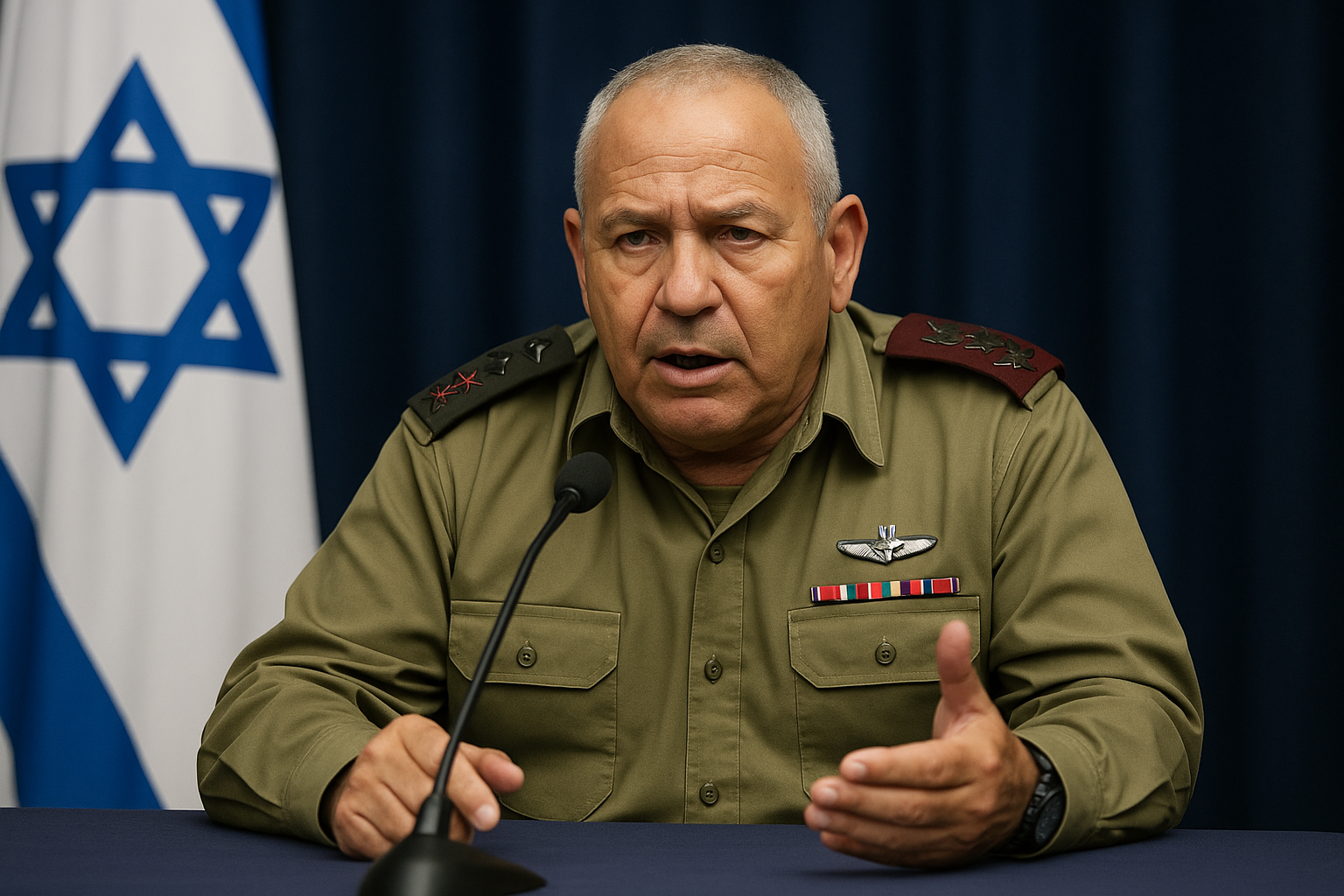

Israel Katz, speaking in his final days as Defense Minister before transitioning to the Foreign Ministry, emphasized that preventing Iran from acquiring nuclear weapons must remain the top priority for Israel and its Western allies, according to Telegram @clashreport. His comments come amid growing concerns that Iran’s nuclear infrastructure has advanced significantly despite years of international sanctions and diplomatic efforts.
The departing minister’s assessment underscores Jerusalem’s longstanding position that a nuclear-armed Iran would pose an existential threat not only to Israel but to regional stability across the Middle East. Israeli security officials have repeatedly warned that Tehran’s pursuit of atomic weapons capabilities continues unabated, with enrichment activities progressing toward weapons-grade uranium production.
Regime Change Concerns Heighten Urgency
Katz’s warning carries particular weight given the current political turbulence within Iran, where the clerical regime faces mounting domestic opposition and economic pressure. Israeli strategic planners fear that any transition of power in Tehran could leave nuclear weapons in the hands of potentially even more radical elements, or conversely, that the current regime might rush to complete weapons development before losing control.
The timing of these remarks reflects broader Western anxieties about Iran’s nuclear trajectory. Despite the 2015 Joint Comprehensive Plan of Action—which conservative critics argued was fundamentally flawed—Iran has systematically expanded its nuclear program beyond the agreement’s limitations, particularly after the United States withdrew from the deal under the Trump administration.
International Response Remains Divided
The call for decisive international action highlights the ongoing divide between Jerusalem’s security imperatives and the more cautious approach favored by many European capitals. While Israel has long maintained that all options remain on the table regarding Iran’s nuclear facilities, Western European governments have generally preferred diplomatic engagement and sanctions enforcement.
Intelligence assessments from multiple Western agencies indicate that Iran has accumulated sufficient enriched uranium that could be converted to weapons-grade material within a matter of weeks if the regime makes that strategic decision. This “breakout time” has shrunk dramatically from the one-year buffer that the nuclear deal was supposed to maintain.
As Katz prepares to assume his new role at the Foreign Ministry, his parting message as Defense Minister serves as a clear signal that Israel’s next government will maintain an uncompromising stance on the Iranian nuclear issue, regardless of changing international political winds or renewed diplomatic overtures from Tehran.
With information from Telegram @clashreport





