Necessary Cookies

Required for the site to function. Cannot be disabled.

Analytics Cookies

Help us understand how visitors interact with our site (Google Analytics via GTM).

Marketing Cookies

Used to track visitors and deliver personalised advertisements.

We use cookies to enhance your browsing experience and analyse site traffic. By clicking Accept All, you consent to our use of cookies. Privacy Policy
NewsFire Global
Home News Europe World Christianity Culture Wars Opinion Video
Information
About Us Authors Advertising Terms & Conditions Privacy Policy Contact
R2B Media
R2B NEWSFIRE.GR PAPAFOTIS.GR THRACTION HELLENIC CONSERVATIVES RIGHT2THEBONE YT
News World

US-Canada Relations Face Uncertain Future After Tensions

Canada-U.S. relations have deteriorated amid Trump's tariff threats and border security disputes, with both nations sharing blame for the breakdown in diplomatic ties.
Stefanos Banos
Stefanos Banos Staff Writer
JULY 26, 2026 AT 1:46 PM

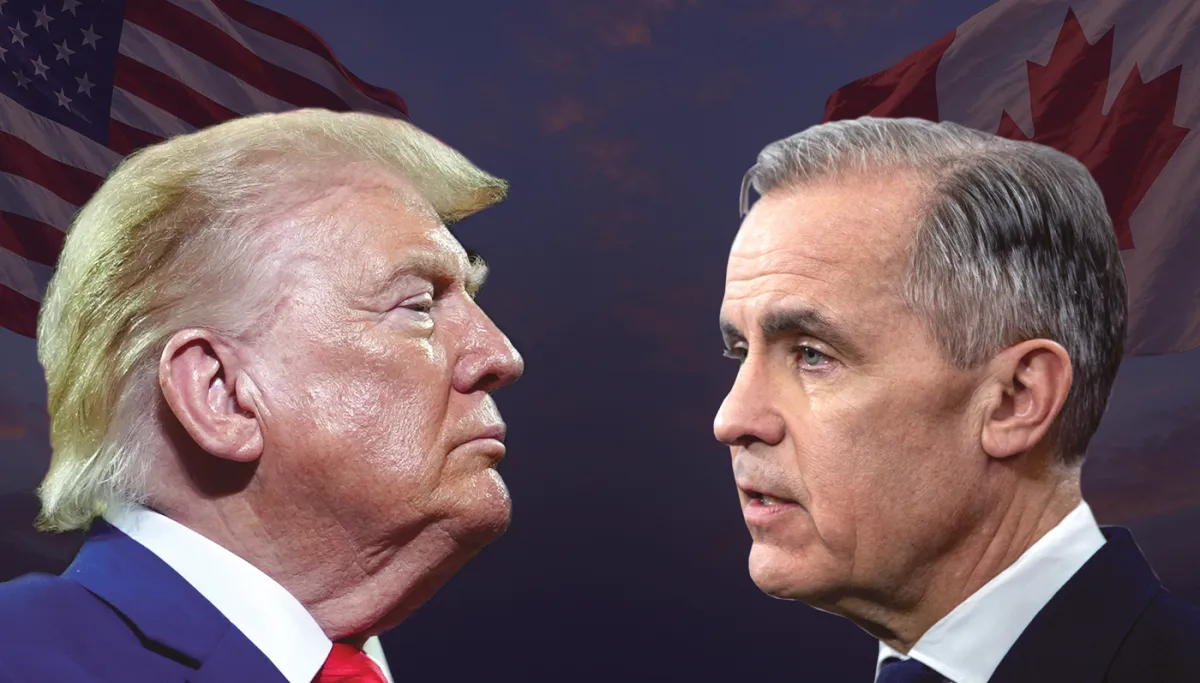
As Michael Taube argues in Washington Examiner, both nations bear responsibility for the current state of relations, despite what their respective governments and citizens may prefer to acknowledge. The relationship has deteriorated to the point where Trump recently announced plans to impose 50 percent tariffs on a sweeping range of Canadian products, from wine and hockey sticks to cement, responding to Canada’s retaliatory duties on American goods.

The roots of this diplomatic freeze can be traced to a social media post Trump made shortly after defeating Kamala Harris in the 2024 presidential election. On November 25, 2024, the president-elect announced via Truth Social that both Canada and Mexico would face 25 percent tariffs on all products entering the United States unless they addressed illegal immigration and drug trafficking, particularly fentanyl.
Trump’s frustration was not without foundation. Justin Trudeau and his Liberal government had largely neglected North American border security throughout his nine years in office. The illegal weapons and drug trade continued to flourish, while immigration to Canada surged to unprecedented levels amid serious concerns about inadequate vetting processes and the presence of illegal aliens.

The American president has never concealed his disdain for weak leadership, and Trudeau epitomized the kind of ineffectual politician Trump despises. The Canadian prime minister championed political correctness, environmental activism, and gender ideology while managing the nation’s finances recklessly. His economic illiteracy was on full display when he claimed in February 2014 that the budget “will balance itself,” and later told reporters in August 2021 to forgive him if he didn’t think about monetary policy.

Trump’s assessment of Trudeau as “meek and mild” and “very dishonest and weak” during the June 2018 G7 meetings reflected his broader contempt for the Canadian leader’s soft approach to governance and international relations.

The turning point came during a November 29, 2024, dinner at Mar-a-Lago. According to Fox News reporting, Trudeau warned Trump that the proposed tariffs would devastate the Canadian economy completely. Trump responded by questioning whether Canada’s survival depended on extracting $100 billion from the United States, then floated the provocative suggestion that Canada could become the 51st state, with Trudeau serving as governor rather than prime minister.

While Trump clearly enjoyed needling Trudeau with this recurring joke, the controversy contributed significantly to the Canadian leader’s already crumbling popularity and his eventual decision to resign in January 2025.

The president was never serious about annexing Canada, though he would likely welcome such discussions if Canadians genuinely desired union with the United States. Historical polling data suggests minimal support for such a dramatic political realignment.

What remains clear is that the Canada-United States relationship has entered uncharted territory under Trump’s second administration. The days when disagreements over trade, tariffs, and border security were resolved quickly and efficiently through diplomatic channels appear to belong to a bygone era. Whether this represents a temporary freeze or a fundamental reshaping of North American relations remains to be seen.

With information from Washington Examiner

Share:
Stefanos Banos
Stefanos Banos

Stefanos Banos was born in Piraeus and is an editor at NewsFire.GR, specializing in political analysis and international relations. He graduated from the Department of Communication and Media at the University of Bremen in Germany, where he also completed his Master of Arts in Communication and Media Studies. Married to Zoi, he is a proud father of three boys.

As Michael Taube argues in Washington Examiner, both nations bear responsibility for the current state of relations, despite what their respective governments and citizens may prefer to acknowledge. The relationship has deteriorated to the point where Trump recently announced plans to impose 50 percent tariffs on a sweeping range of Canadian products, from wine and hockey sticks to cement, responding to Canada’s retaliatory duties on American goods.

The roots of this diplomatic freeze can be traced to a social media post Trump made shortly after defeating Kamala Harris in the 2024 presidential election. On November 25, 2024, the president-elect announced via Truth Social that both Canada and Mexico would face 25 percent tariffs on all products entering the United States unless they addressed illegal immigration and drug trafficking, particularly fentanyl.
Trump’s frustration was not without foundation. Justin Trudeau and his Liberal government had largely neglected North American border security throughout his nine years in office. The illegal weapons and drug trade continued to flourish, while immigration to Canada surged to unprecedented levels amid serious concerns about inadequate vetting processes and the presence of illegal aliens.

The American president has never concealed his disdain for weak leadership, and Trudeau epitomized the kind of ineffectual politician Trump despises. The Canadian prime minister championed political correctness, environmental activism, and gender ideology while managing the nation’s finances recklessly. His economic illiteracy was on full display when he claimed in February 2014 that the budget “will balance itself,” and later told reporters in August 2021 to forgive him if he didn’t think about monetary policy.

Trump’s assessment of Trudeau as “meek and mild” and “very dishonest and weak” during the June 2018 G7 meetings reflected his broader contempt for the Canadian leader’s soft approach to governance and international relations.

The turning point came during a November 29, 2024, dinner at Mar-a-Lago. According to Fox News reporting, Trudeau warned Trump that the proposed tariffs would devastate the Canadian economy completely. Trump responded by questioning whether Canada’s survival depended on extracting $100 billion from the United States, then floated the provocative suggestion that Canada could become the 51st state, with Trudeau serving as governor rather than prime minister.

While Trump clearly enjoyed needling Trudeau with this recurring joke, the controversy contributed significantly to the Canadian leader’s already crumbling popularity and his eventual decision to resign in January 2025.

The president was never serious about annexing Canada, though he would likely welcome such discussions if Canadians genuinely desired union with the United States. Historical polling data suggests minimal support for such a dramatic political realignment.

What remains clear is that the Canada-United States relationship has entered uncharted territory under Trump’s second administration. The days when disagreements over trade, tariffs, and border security were resolved quickly and efficiently through diplomatic channels appear to belong to a bygone era. Whether this represents a temporary freeze or a fundamental reshaping of North American relations remains to be seen.

With information from Washington Examiner


