Necessary Cookies

Required for the site to function. Cannot be disabled.

Analytics Cookies

Help us understand how visitors interact with our site (Google Analytics via GTM).

Marketing Cookies

Used to track visitors and deliver personalised advertisements.

We use cookies to enhance your browsing experience and analyse site traffic. By clicking Accept All, you consent to our use of cookies. Privacy Policy
NewsFire Global
Home News Europe World Christianity Culture Wars Opinion Video
Information
About Us Authors Advertising Terms & Conditions Privacy Policy Contact
R2B Media
R2B NEWSFIRE.GR PAPAFOTIS.GR THRACTION HELLENIC CONSERVATIVES RIGHT2THEBONE YT
News World

Congress Probes Bank’s Nazi-Era Ties Decades After Holocaust

UBS faces congressional scrutiny over allegations that predecessor Credit Suisse concealed Nazi-linked accounts from a 1999 Holocaust settlement requiring Swiss banks to pay $1.25 billion to victims.


JULY 26, 2026 AT 12:21 PM

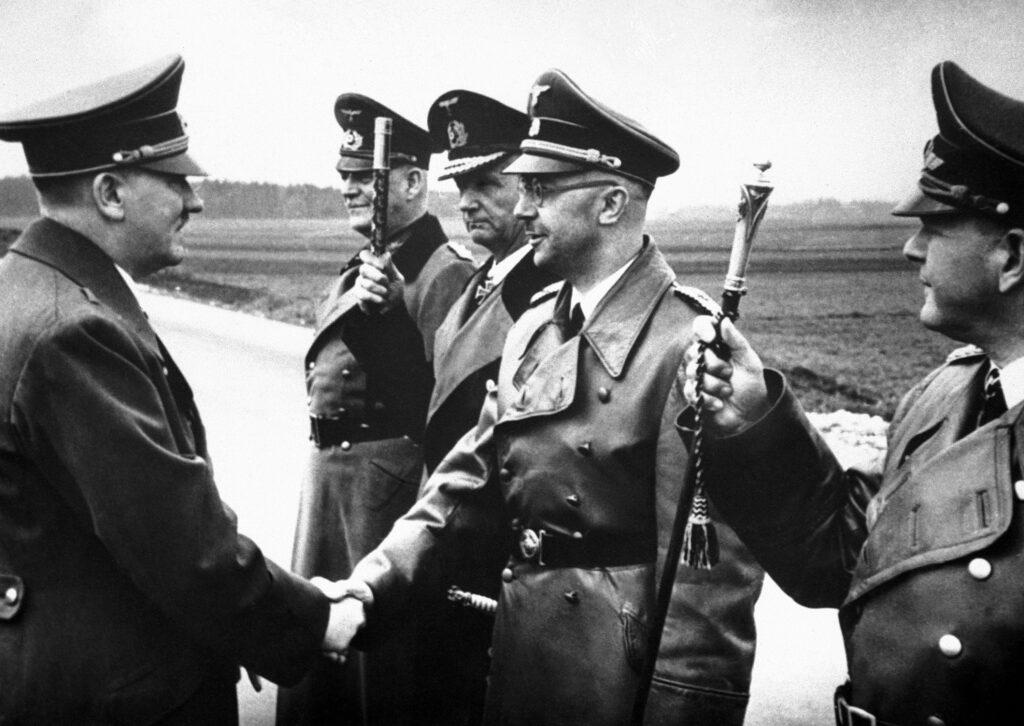
A major Swiss financial institution is facing renewed congressional scrutiny and potential legal action over Holocaust-era banking practices that helped Nazi clients steal Jewish assets and facilitate post-war escape routes for war criminals, according to Hudson Crozier writing in Washington Examiner.

UBS, which acquired Credit Suisse in 2023, has become the focal point of mounting pressure from Senate investigators who argue the bank continues to obstruct efforts to uncover the full extent of its predecessor’s collaboration with the Third Reich. The controversy centers on Nazi-linked accounts that may not have been disclosed in a landmark 1999 settlement that forced Credit Suisse and UBS to pay $1.25 billion to Holocaust victims.
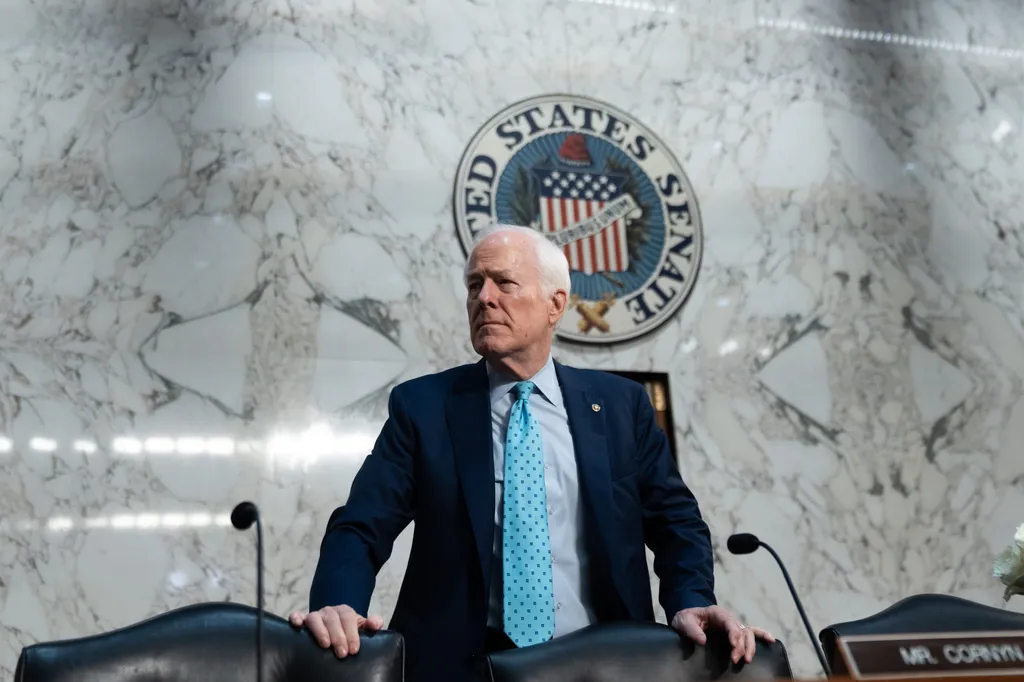
Senate Judiciary Committee Chairman Chuck Grassley, a Republican from Iowa, has accused the firm of systematically blocking access to critical documents, a characterization the bank disputes. An independent ombudsman hired by UBS to investigate the matter has echoed concerns about the firm’s cooperation, while a federal court ruling in New York this past April has opened the door to fresh litigation.

The investigation was triggered in 2020 when the Simon Wiesenthal Center, an organization dedicated to investigating Nazi crimes, presented Credit Suisse with evidence suggesting the existence of previously undisclosed Nazi-affiliated accounts that had escaped scrutiny during the 1990s legal proceedings.

Credit Suisse initially retained Neil Barofsky as an independent investigator in 2021, but terminated his employment the following year when he refused to proceed without access to certain records. Following UBS’s acquisition of Credit Suisse, bipartisan Senate pressure forced the combined entity to reinstate Barofsky in 2023.

Barofsky’s February testimony before the Senate Judiciary Committee revealed disturbing findings. Credit Suisse maintained accounts for a Nazi-controlled weapons manufacturer, a German administrative office responsible for transporting Jews to concentration camps, the Nazi-controlled German Red Cross, and multiple agents of the notorious SS paramilitary organization.

Among the SS clients was convicted war criminal Leo Volk, whose account Credit Suisse had explicitly denied holding when questioned by a Swiss commission in 2001. The investigation also uncovered previously unknown instances of Credit Suisse executing forced asset transfers from Jewish clients to Nazi authorities.

The ombudsman told lawmakers he cannot certify his investigation as complete while UBS continues withholding documents it claims are protected by attorney-client privilege or constitute internal legal work product. Grassley has called on the Trump administration to leverage regulatory approval processes to extract cooperation from the bank.

In a May letter to Treasury Department officials following their approval of UBS’s U.S. operations, Grassley warned that the bank will apparently be able to make money off the backs of the U.S. taxpayers while thumbing its nose at the U.S. Congress. The Treasury Department has not responded to multiple inquiries on the matter.

UBS maintains that the disputed documents date from the 1990s and 2000s and contain no material information relevant to understanding Credit Suisse’s wartime conduct. The bank insists it voluntarily undertook the historical review without legal obligation and remains committed to uncovering historical truth about events that occurred approximately eight decades ago.

The firm stated it continues supporting efforts to strengthen the historical record of what it called a dark period in human history, with the goal of ensuring the atrocities of Nazism are never repeated. However, critics argue that withholding potentially relevant documentation undermines these stated objectives and dishonors Holocaust victims still seeking accountability.

The controversy demonstrates how the financial crimes of the Nazi era continue to reverberate through international banking more than 80 years after the Third Reich’s collapse, with victims’ advocates still pursuing justice for systematic theft and complicity in genocide.

With information from Washington Examiner

Share:
Eleni Papadaki-Van Der Merwe

She was born in 1986 in Johannesburg, South Africa. She is the granddaughter of an immigrant from Crete who settled in the Greek community of Johannesburg (one of the largest in Africa). She holds a bachelor’s degree in International Relations and Political Science from the University of the Witwatersrand (Wits) in Johannesburg and a master’s degree in Journalism from Rhodes University in Grahamstown. She began her career at English-language media outlets in Johannesburg, covering politics and economics, with a focus on issues related to migration and the diaspora. She moved to Athens in 2015 to “return to her roots,” initially to pursue graduate studies, and has remained there permanently. She is married to an Afrikaner; they have two children and live in the southern suburbs of Athens.

A major Swiss financial institution is facing renewed congressional scrutiny and potential legal action over Holocaust-era banking practices that helped Nazi clients steal Jewish assets and facilitate post-war escape routes for war criminals, according to Hudson Crozier writing in Washington Examiner.

UBS, which acquired Credit Suisse in 2023, has become the focal point of mounting pressure from Senate investigators who argue the bank continues to obstruct efforts to uncover the full extent of its predecessor’s collaboration with the Third Reich. The controversy centers on Nazi-linked accounts that may not have been disclosed in a landmark 1999 settlement that forced Credit Suisse and UBS to pay $1.25 billion to Holocaust victims.
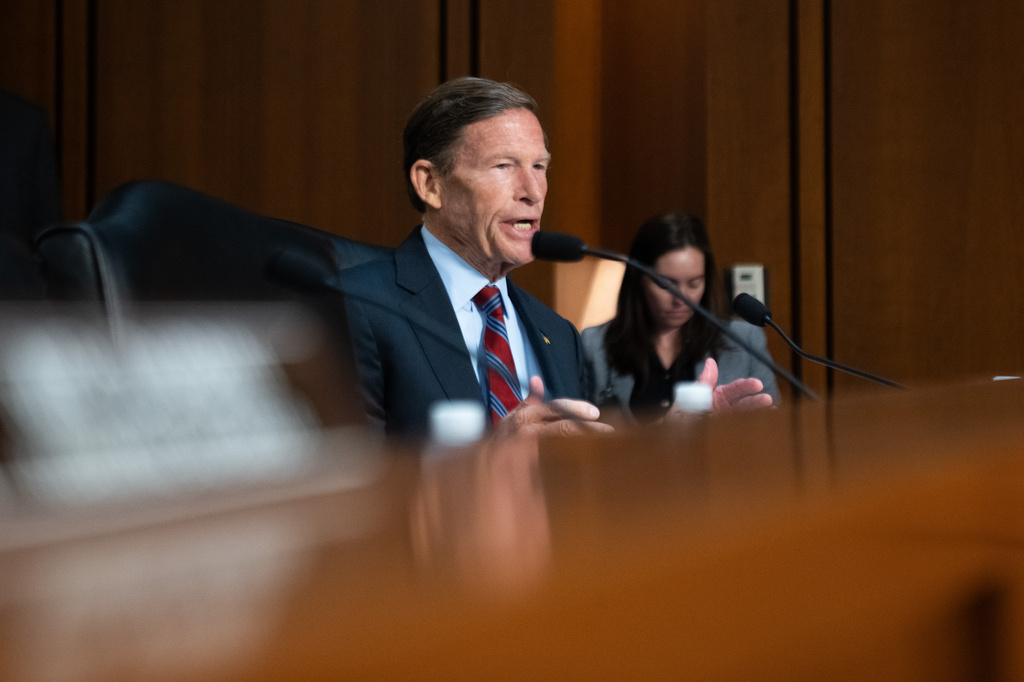
Senate Judiciary Committee Chairman Chuck Grassley, a Republican from Iowa, has accused the firm of systematically blocking access to critical documents, a characterization the bank disputes. An independent ombudsman hired by UBS to investigate the matter has echoed concerns about the firm’s cooperation, while a federal court ruling in New York this past April has opened the door to fresh litigation.

The investigation was triggered in 2020 when the Simon Wiesenthal Center, an organization dedicated to investigating Nazi crimes, presented Credit Suisse with evidence suggesting the existence of previously undisclosed Nazi-affiliated accounts that had escaped scrutiny during the 1990s legal proceedings.

Credit Suisse initially retained Neil Barofsky as an independent investigator in 2021, but terminated his employment the following year when he refused to proceed without access to certain records. Following UBS’s acquisition of Credit Suisse, bipartisan Senate pressure forced the combined entity to reinstate Barofsky in 2023.

Barofsky’s February testimony before the Senate Judiciary Committee revealed disturbing findings. Credit Suisse maintained accounts for a Nazi-controlled weapons manufacturer, a German administrative office responsible for transporting Jews to concentration camps, the Nazi-controlled German Red Cross, and multiple agents of the notorious SS paramilitary organization.

Among the SS clients was convicted war criminal Leo Volk, whose account Credit Suisse had explicitly denied holding when questioned by a Swiss commission in 2001. The investigation also uncovered previously unknown instances of Credit Suisse executing forced asset transfers from Jewish clients to Nazi authorities.

The ombudsman told lawmakers he cannot certify his investigation as complete while UBS continues withholding documents it claims are protected by attorney-client privilege or constitute internal legal work product. Grassley has called on the Trump administration to leverage regulatory approval processes to extract cooperation from the bank.

In a May letter to Treasury Department officials following their approval of UBS’s U.S. operations, Grassley warned that the bank will apparently be able to make money off the backs of the U.S. taxpayers while thumbing its nose at the U.S. Congress. The Treasury Department has not responded to multiple inquiries on the matter.

UBS maintains that the disputed documents date from the 1990s and 2000s and contain no material information relevant to understanding Credit Suisse’s wartime conduct. The bank insists it voluntarily undertook the historical review without legal obligation and remains committed to uncovering historical truth about events that occurred approximately eight decades ago.

The firm stated it continues supporting efforts to strengthen the historical record of what it called a dark period in human history, with the goal of ensuring the atrocities of Nazism are never repeated. However, critics argue that withholding potentially relevant documentation undermines these stated objectives and dishonors Holocaust victims still seeking accountability.

The controversy demonstrates how the financial crimes of the Nazi era continue to reverberate through international banking more than 80 years after the Third Reich’s collapse, with victims’ advocates still pursuing justice for systematic theft and complicity in genocide.

With information from Washington Examiner


