
Hamas Stands By October 7 Attack With Khalil al-Hayya
Hamas has elected Khalil al-Hayya as its new political bureau chief in a tight 35-34 vote over Khaled Mechaal, cementing Gaza's influence and signaling continued armed resistance.
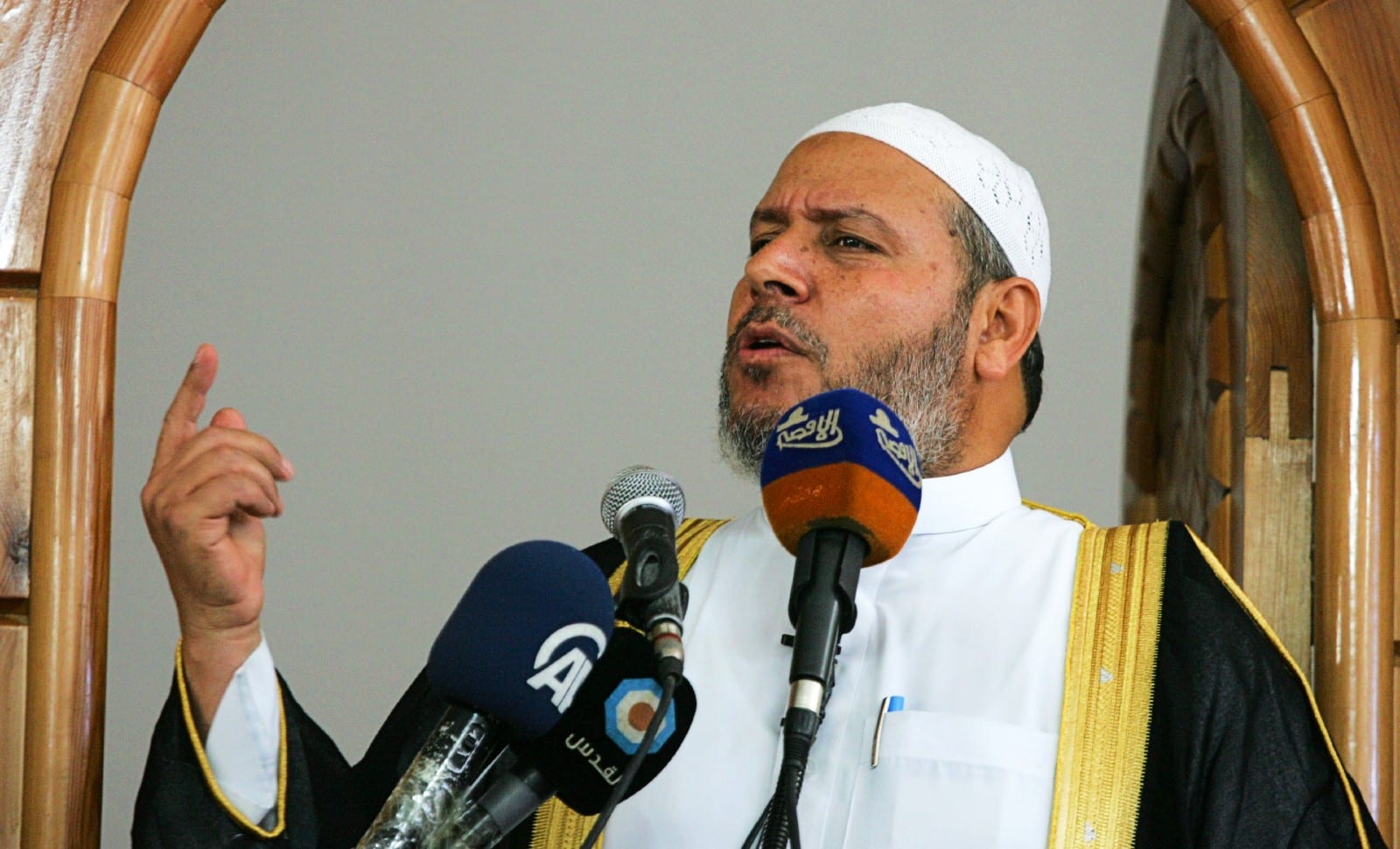
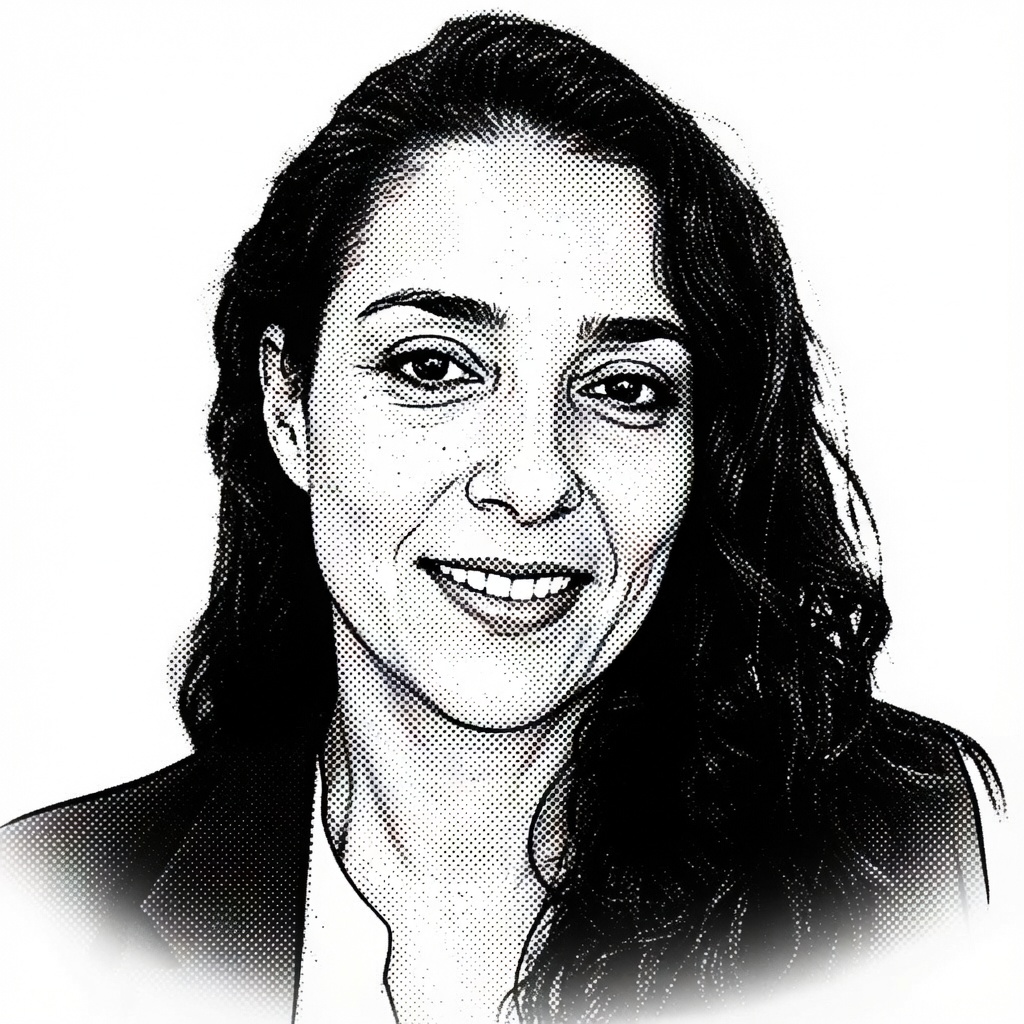
Al-Hayya, a native of Choujaiya in eastern Gaza and a longtime associate of both former leaders Ismaïl Haniyeh and Yahya Sinwar, secured victory in an extraordinarily tight vote against Khaled Mechaal. The contest reflects deep divisions within Hamas between two competing visions for the movement’s future.
As Causeur reports, the election result was razor-thin. According to Walid al-Omari of Al-Jazeera, al-Hayya obtained just 35 votes compared to 34 for Mechaal. This count was confirmed to the daily Al-Sharq by an internal Hamas source. Mahmoud Mardaoui, a member of Hamas’s political bureau, also told the New York Times the competition was extremely close.
Curiously, an anonymous senior Hamas official simultaneously told AFP that al-Hayya had won by an “overwhelming majority.” No named Hamas leader has publicly endorsed this characterization, exposing contradictions that reveal how deeply Sinwar’s succession has fractured the organization.
Two Competing Visions
The election represents a clash between two distinct networks and strategic orientations within Hamas. Khaled Mechaal has represented the external leadership for three decades, operating from Amman, then Damascus, and finally Doha. His faction maintains closer ties to Qatar, Turkey, and Sunni movements emerging from the Muslim Brotherhood tradition.
Al-Hayya, by contrast, emerged from the core leadership group formed in Gaza around Haniyeh and Sinwar. He maintains closer relations with Iran and advocates for strategic continuity with the leaders responsible for the October 7, 2023 attacks. His faction insists armed struggle must remain central to Hamas’s identity.
Operational Challenges and Secrecy
The political bureau presidency had been officially vacant since Sinwar’s death in October 2024, when Israeli forces killed him in Rafah. Sinwar himself had only assumed the role in August 2024, following Haniyeh’s assassination in Tehran days earlier.
After Sinwar’s elimination, Hamas established a provisional five-member council including Mohammed Darwich, president of the Shura Council, al-Hayya, Mechaal, Zaher Jabarin, and an unnamed representative from the internal leadership. This collective arrangement addressed immediate security concerns after Israel eliminated several top political and military figures, including Haniyeh, Sinwar, and Saleh al-Arouri.
Hamas has not released minutes, voter lists, or detailed official tallies. The one-vote margin remains information attributed to internal sources, impossible to verify independently. The exact composition of the General Shura Council remains uncertain, though it purportedly represents different components of the movement. Some sources cite approximately fifty members, others more than eighty. The reported result of 35 votes to 34 establishes only that at least 69 people participated.
Prolonged Electoral Process
Representatives from Gaza, the West Bank, the external organization, and militants detained in Israeli prisons participated directly or indirectly in the consultation. Hamas described a mechanism that was “secret and highly complex,” necessitated by the dispersal of its cadres and constant surveillance by Israeli intelligence services.
These constraints help explain the unusually lengthy electoral process. The first electoral phase opened in early 2026. By May, the movement acknowledged the vote had failed to produce a majority and a second round would be necessary. Premature information declaring al-Hayya a clear victor was officially denied at that time. The result announced on July 20, after nearly six months of procedure, concludes an election that exposed fundamental divisions within Hamas over its strategic direction and alliance structure.
Al-Hayya’s narrow victory suggests Gaza-based hardliners have maintained their grip on the movement despite devastating losses during the conflict, while the external leadership centered around Mechaal retains substantial influence and represents an alternative path the organization nearly chose.
With information from Causeur





