
Rep. Gill grills Smithsonian over ‘racist’ imagery claims
Rep. Brandon Gill confronted Smithsonian director Anthea Hartig over an exhibit linking Mickey Mouse to blackface minstrelsy, part of Republican scrutiny of alleged progressive bias at the museum.
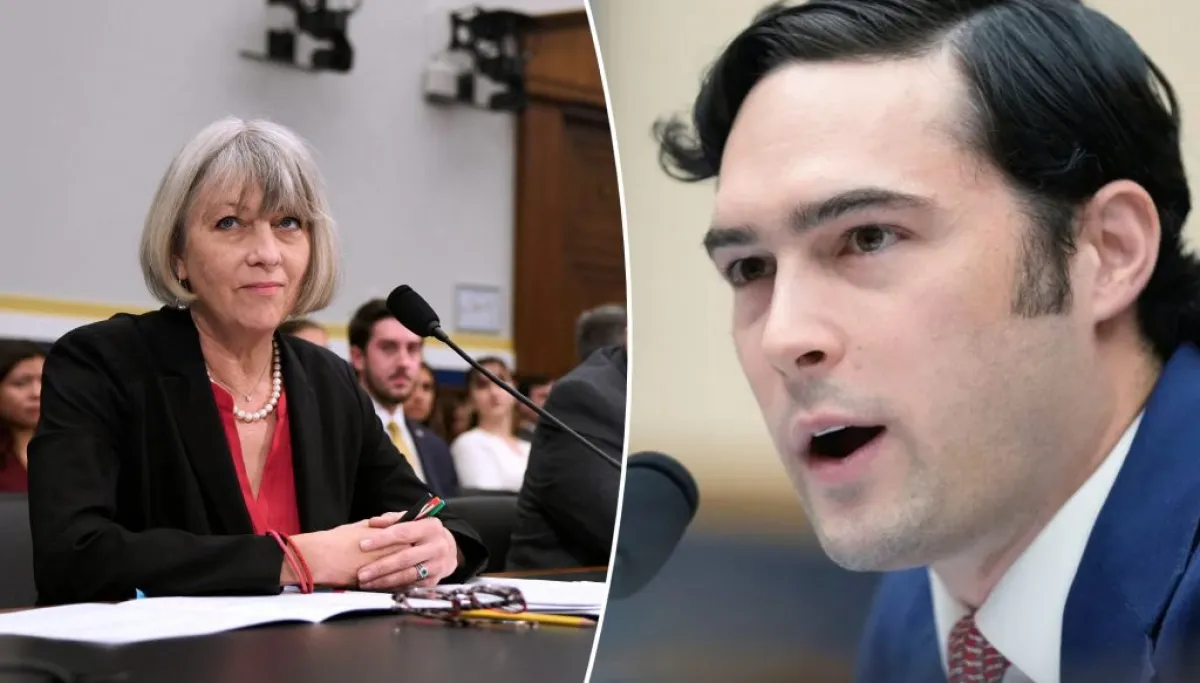

Rep. Brandon Gill of Texas directly challenged museum director Anthea Hartig during a Tuesday hearing before the House Oversight Subcommittee on Delivering on Government Efficiency, demanding to know whether the beloved cartoon character should be considered racist. The confrontation came as Republicans scrutinize what they describe as progressive activism infiltrating the federally funded institution.
Gill referenced an exhibit display that characterizes Mickey Mouse as bearing vestiges of longstanding traditions of blackface minstrelsy, according to the museum’s own wall label text. The label accompanies the 1928 Steamboat Willie cartoon and claims the character’s design elements including oversized facial features, white gloves, and trickster personality are rooted in minstrel show traditions.
Hartig responded that Mickey Mouse is not racist but insisted historians have documented connections between the character’s early design and minstrel traditions. When pressed by Gill, she maintained her role was to present accurate historical information rather than make determinations about what should be considered problematic.
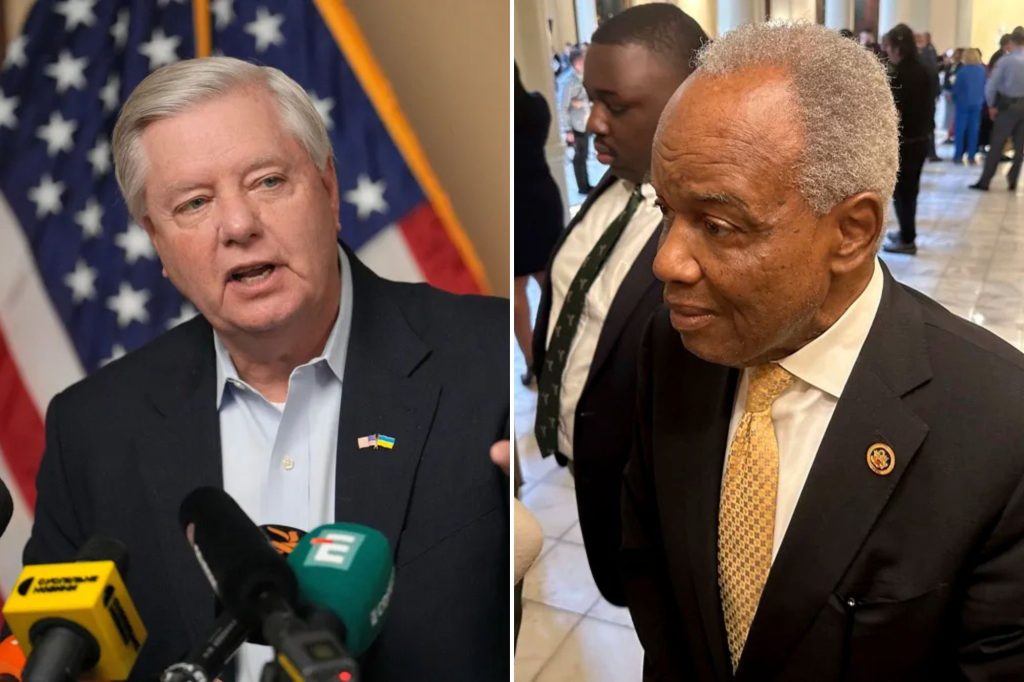
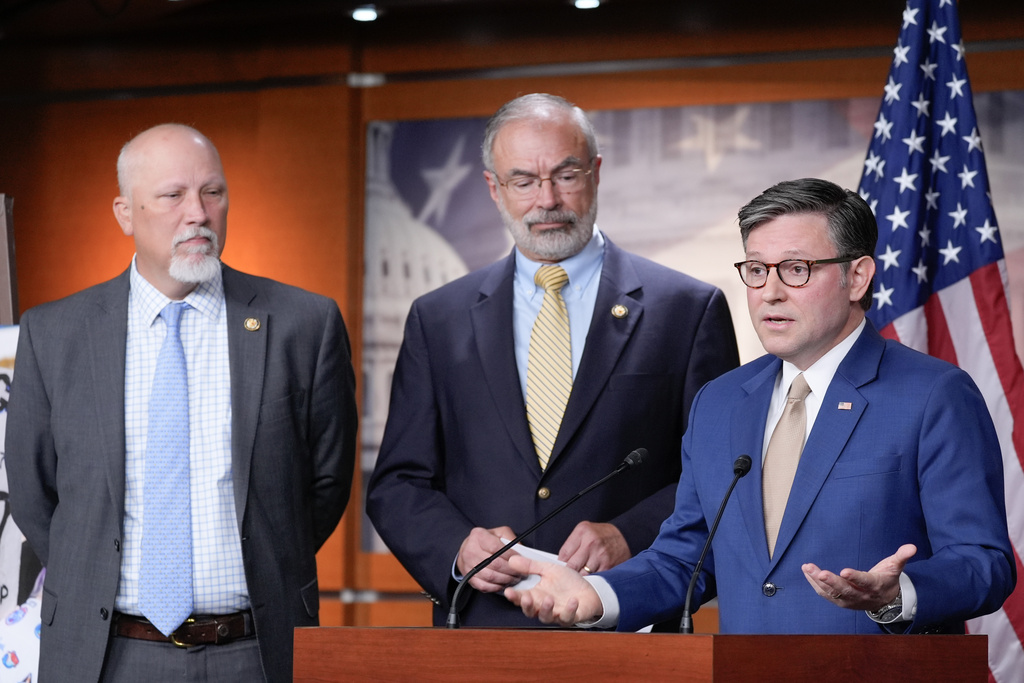
The hearing follows a White House report alleging the Smithsonian Institution has abandoned objective scholarship in favor of progressive political advocacy. Republicans have seized on several examples they say demonstrate ideological bias within the museum system.
Gill also grilled Hartig about internal Smithsonian materials discussing so-called white supremacy culture and the museum’s decision to sell Latina Power merchandise. The Texas congressman argued these examples reflect a broader shift toward left-wing activism at the taxpayer-funded institution.
Central to the Republican criticism is a Mass Action Toolkit that circulated within the Smithsonian. The document reportedly aimed to transform the museum space away from what it characterized as dominant Western ideals of race, class, and gender linked to white supremacy, hetero-patriarchy, labor abuse, colonization, and imperialist theft of art and artifacts.
Gill repeatedly questioned whether it was appropriate for the museum to promote materials labeling objectivity itself as part of white supremacy culture. Hartig disputed his characterization of the document and insisted the Smithsonian did not develop the toolkit and is not promoting any ideology.
Subcommittee Chairman Tim Burchett of Tennessee led the Republican charge, pointing to Hartig’s past public statements describing history as a prime tool of social justice. Republicans criticized what they view as excessive emphasis on race, gender, immigration, and economic inequality throughout museum exhibits.
In his opening statement, Burchett declared the Museum has strayed from its original purpose and federal mission. He accused the institution of becoming infected by woke ideology that has seeped into public displays, educational materials, and planning documents.
Hartig maintained throughout the hearing that the Smithsonian strives to remain objective and nonpartisan, rejecting Republican characterizations of institutional bias. She insisted the museum system does not promote political ideology despite the examples cited by GOP members.
The confrontation reflects broader conservative concerns about cultural institutions abandoning traditional missions in favor of progressive social activism. Republicans argue taxpayer-funded museums should focus on objective historical presentation rather than contemporary political narratives.
With information from Washington Examiner





