
Ann Widdecombe: A Trailblazing Convert to Conservatism
Ann Widdecombe, a prominent British politician and devout Catholic convert who championed pro-life causes and Brexit, died on July 8 in what authorities are investigating as a murder.
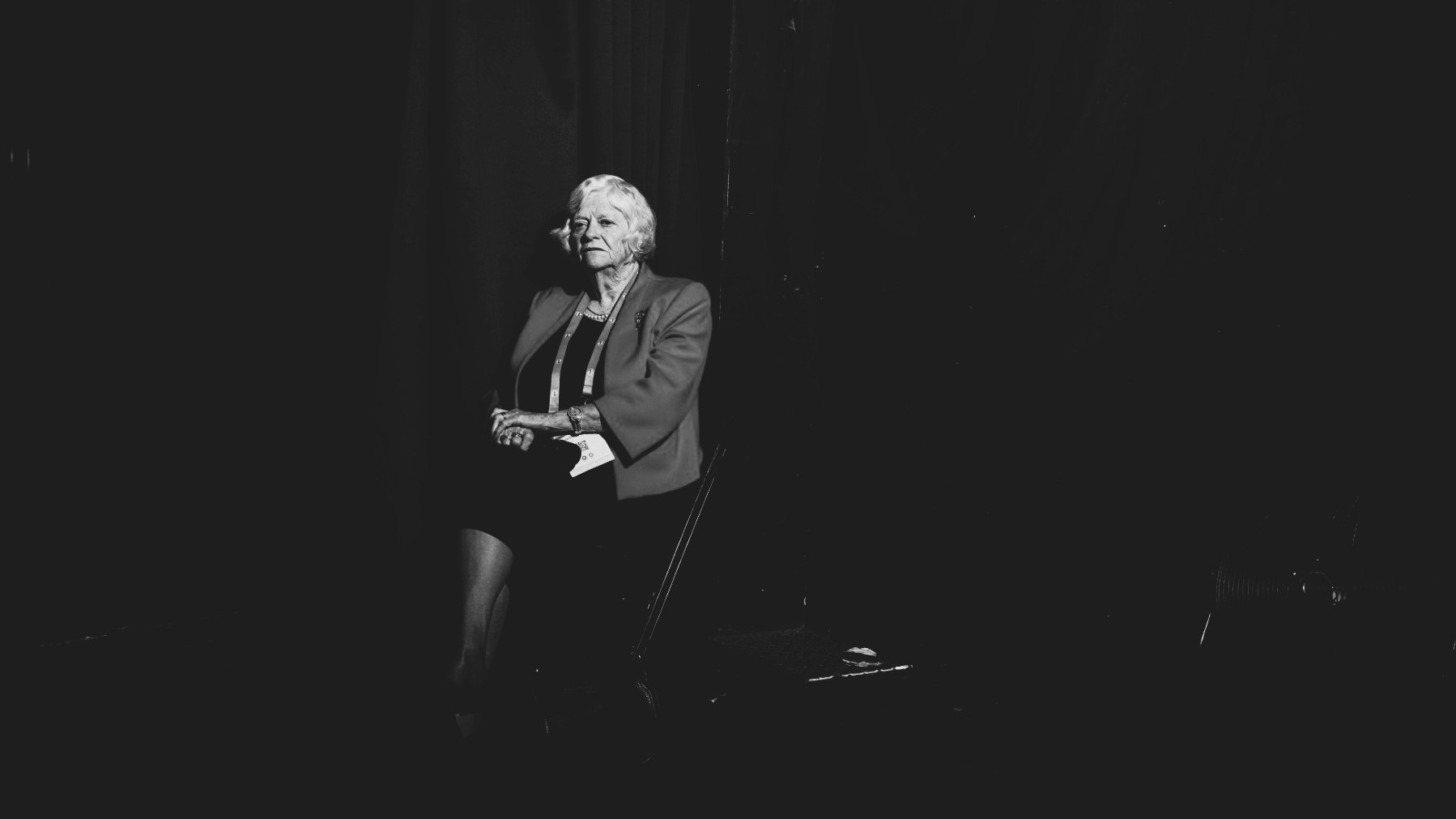

The death of prominent British politician and former government minister Ann Widdecombe on July 8, allegedly by murder, has prompted deep reflection on the life of a woman who stood as a beacon of principled conservatism and unwavering Catholic conviction in an age of political compromise.
According to The European Conservative, Miss Widdecombe was a tireless defender of the unborn, a champion of persecuted Christians worldwide, and a resolute advocate for Britain’s independence from the European Union. Her death came poignantly between the martyrdom anniversary of St. Thomas More, patron saint of politicians, and his feast day in the Traditional Roman Calendar.
Beyond her political achievements, Widdecombe represented a rare breed of Catholic convert who demonstrated just how countercultural the decision to enter the Church truly is in modern times. As a leading figure in the mid-1990s wave of conversions from Anglicanism following the Church of England’s controversial decision to ordain women, she became an inspiration to countless others contemplating the same journey.
A Convert Who Challenged Assumptions
What set Widdecombe apart was her honest acknowledgment of the intellectual and spiritual challenges she faced before entering full communion with Rome. In her autobiography, she described the extensive research and discussion she undertook regarding Catholic doctrines she had previously struggled with, conscious that she would be making a Solemn Profession of Faith and determined not to commit perjury.
This candor challenged the widespread myth that all former Anglican converts had always been theologically Catholic and were simply formalizing what was already in their hearts. Widdecombe’s testimony shed light on those converts who occupied a middle ground: Christians who understood the Trinity, Incarnation, and Redemption, but who needed time to examine and accept distinctly Catholic teachings on purgatory, the sacrifice of the Mass, and sacramental confession.
A Politician of Principle
Having aligned with the Evangelical wing of Anglicanism before her conversion, Widdecombe brought a perspective that was both unusual and valuable. Her discussions with the late Cardinal Basil Hume, then Archbishop of Westminster, helped illuminate the path for those whose journey to Rome did not fit the conventional Anglo-Catholic template.
As The European Conservative notes, her principled approach to both faith and politics reflected the words spoken by Thomas More in Robert Bolt’s celebrated play: when a person takes an oath, they hold themselves like water in their own hands, and if they open their fingers, they cannot hope to find themselves again. These words clearly informed Widdecombe’s conduct throughout her public and private life.
Navigating the Complexities of Conversion
Widdecombe’s experience highlighted challenges that many converts face but few discuss openly. She discovered that the Catholic Church she entered was not always the Church she expected—finding Catholics who treated the Ten Commandments as guidelines rather than commands, and encountering attitudes toward religious life and moral teaching that differed from what she had understood Catholicism to represent.
Her honesty about these struggles made her a more authentic witness to the faith precisely because she refused to pretend the transition was seamless. She demonstrated that genuine conversion involves wrestling with difficult truths and sometimes confronting uncomfortable realities within the Church itself.
A Legacy of Courage
At a time when political figures routinely abandon principles for expediency, Ann Widdecombe stood firm on the issues that mattered most. Her commitment to the sanctity of life from conception to natural death, her advocacy for religious freedom, and her determination to see Britain govern itself made her a singular figure in contemporary British politics.
The circumstances of her death, reportedly by murder, add a tragic dimension to the loss of a woman who gave so much to public service while maintaining her integrity. Her life and witness will continue to inspire those who believe that faith and reason, properly understood, need never be at odds, and that political life can be a genuine vocation when undertaken with honesty and courage.
With information from The European Conservative





