Necessary Cookies

Required for the site to function. Cannot be disabled.

Analytics Cookies

Help us understand how visitors interact with our site (Google Analytics via GTM).

Marketing Cookies

Used to track visitors and deliver personalised advertisements.

We use cookies to enhance your browsing experience and analyse site traffic. By clicking Accept All, you consent to our use of cookies. Privacy Policy
NewsFire Global
Home News Europe World Christianity Culture Wars Opinion Video
Information
About Us Authors Advertising Terms & Conditions Privacy Policy Contact
R2B Media
R2B NEWSFIRE.GR PAPAFOTIS.GR THRACTION HELLENIC CONSERVATIVES RIGHT2THEBONE YT
News World

Iran Orders Houthis to Shut Red Sea if US Strikes Grid

Iran has instructed Yemen's Houthi rebels to prepare to close the Bab el-Mandeb Strait if the U.S. strikes Iranian infrastructure, threatening global energy markets alongside the contested Hormuz route.

JULY 19, 2026 AT 11:02 AM

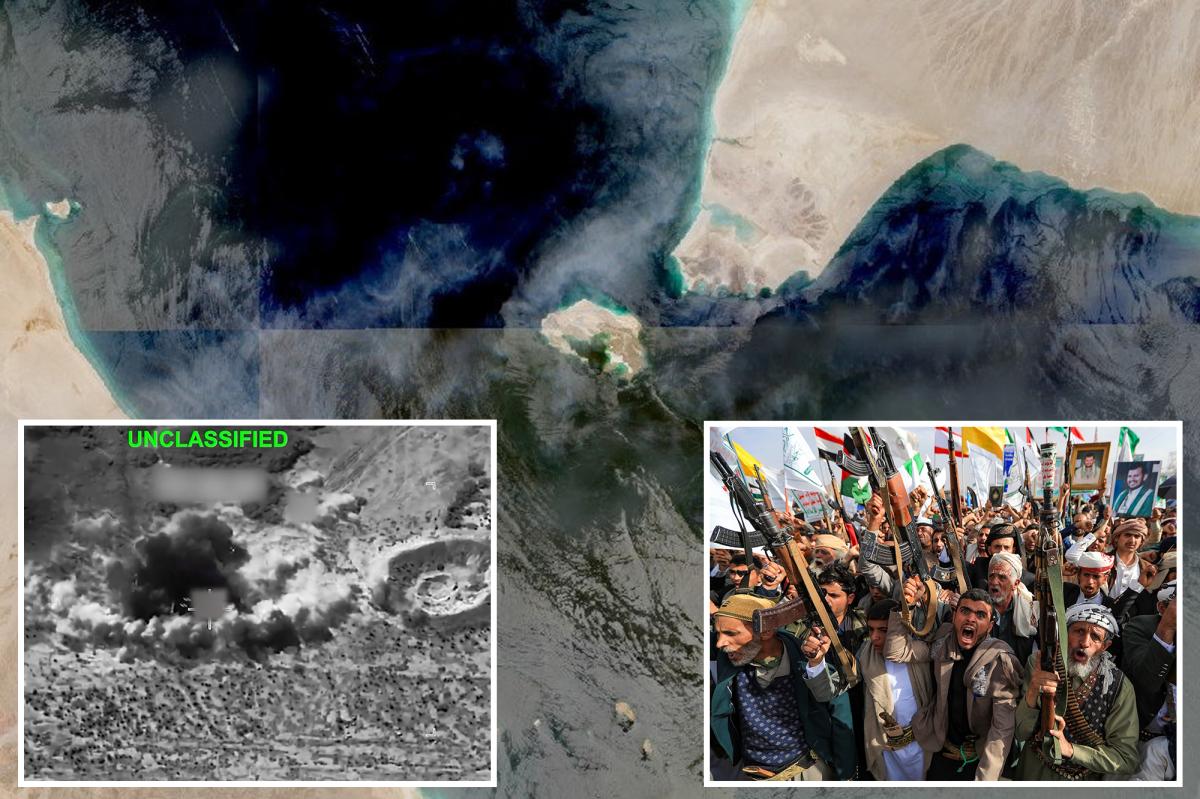
The Iran-backed Houthi forces have now completed operational preparations to deploy missile batteries and drone systems targeting commercial shipping near the Bab el-Mandeb Strait, a critical maritime gateway to the Red Sea, a source with knowledge of the group’s planning confirmed to Reuters.

The Islamic Republic has already declared the Strait of Hormuz on the eastern flank of the Arabian Peninsula effectively closed to navigation, and Iranian forces have engaged multiple vessels attempting passage through those waters.

Dual Chokepoint Strategy Threatens Global Energy Markets

Tehran’s leadership has now specifically requested that the Houthis be prepared to block the strait between Yemen and Djibouti and Eritrea in the Horn of Africa should Washington strike Iranian electrical generation facilities, according to sources familiar with the directive.

American forces have already struck more than 2,000 targets across Iran’s state-controlled electrical infrastructure in previous military operations, placing severe strain on the country’s power distribution network, Arab media outlets have reported.

A simultaneous disruption of both the Bab el-Mandeb Strait and the already-contested Strait of Hormuz would effectively cut off the Middle East’s two primary oil export corridors, threatening to plunge global energy markets into crisis.

Houthis Break Four-Year Truce

The Houthis have further inflamed regional tensions by abandoning a four-year ceasefire, launching missile strikes at Saudi Arabia after accusing the kingdom of bombing an airport under their control on Monday.

While the Strait of Hormuz handles greater overall shipping volume, a substantial portion of Gulf crude oil exports has been redirected to Red Sea routes via Saudi pipeline infrastructure. The waterway now carries approximately 7% of the world’s energy supplies.

Torbjorn Solvedt, principal Middle East analyst with risk intelligence firm Verisk Maplecroft, warned that coordinated attacks would eliminate viable alternatives for regional energy exports.

Energy Prices Climb Amid Mounting Uncertainty

Market volatility driven by escalating Middle East conflict has kept Brent crude prices elevated at more than $84 per barrel on Thursday, representing a 22% increase compared to the previous year.

American consumers are feeling the impact at the pump, with the national average gasoline price surging to $3.94 per gallon, up approximately 10 cents from the previous week alone.

The dual-strait closure strategy would leave global energy markets with virtually no viable alternative routing for Middle Eastern petroleum exports, a scenario analysts describe as potentially catastrophic for the international economy.

With information from New York Post

Share:
Eleni Papadaki-Van Der Merwe

She was born in 1986 in Johannesburg, South Africa. She is the granddaughter of an immigrant from Crete who settled in the Greek community of Johannesburg (one of the largest in Africa). She holds a bachelor’s degree in International Relations and Political Science from the University of the Witwatersrand (Wits) in Johannesburg and a master’s degree in Journalism from Rhodes University in Grahamstown. She began her career at English-language media outlets in Johannesburg, covering politics and economics, with a focus on issues related to migration and the diaspora. She moved to Athens in 2015 to “return to her roots,” initially to pursue graduate studies, and has remained there permanently. She is married to an Afrikaner; they have two children and live in the southern suburbs of Athens.

The Iran-backed Houthi forces have now completed operational preparations to deploy missile batteries and drone systems targeting commercial shipping near the Bab el-Mandeb Strait, a critical maritime gateway to the Red Sea, a source with knowledge of the group’s planning confirmed to Reuters.

The Islamic Republic has already declared the Strait of Hormuz on the eastern flank of the Arabian Peninsula effectively closed to navigation, and Iranian forces have engaged multiple vessels attempting passage through those waters.

Dual Chokepoint Strategy Threatens Global Energy Markets

Tehran’s leadership has now specifically requested that the Houthis be prepared to block the strait between Yemen and Djibouti and Eritrea in the Horn of Africa should Washington strike Iranian electrical generation facilities, according to sources familiar with the directive.

American forces have already struck more than 2,000 targets across Iran’s state-controlled electrical infrastructure in previous military operations, placing severe strain on the country’s power distribution network, Arab media outlets have reported.

A simultaneous disruption of both the Bab el-Mandeb Strait and the already-contested Strait of Hormuz would effectively cut off the Middle East’s two primary oil export corridors, threatening to plunge global energy markets into crisis.

Houthis Break Four-Year Truce

The Houthis have further inflamed regional tensions by abandoning a four-year ceasefire, launching missile strikes at Saudi Arabia after accusing the kingdom of bombing an airport under their control on Monday.

While the Strait of Hormuz handles greater overall shipping volume, a substantial portion of Gulf crude oil exports has been redirected to Red Sea routes via Saudi pipeline infrastructure. The waterway now carries approximately 7% of the world’s energy supplies.

Torbjorn Solvedt, principal Middle East analyst with risk intelligence firm Verisk Maplecroft, warned that coordinated attacks would eliminate viable alternatives for regional energy exports.

Energy Prices Climb Amid Mounting Uncertainty

Market volatility driven by escalating Middle East conflict has kept Brent crude prices elevated at more than $84 per barrel on Thursday, representing a 22% increase compared to the previous year.

American consumers are feeling the impact at the pump, with the national average gasoline price surging to $3.94 per gallon, up approximately 10 cents from the previous week alone.

The dual-strait closure strategy would leave global energy markets with virtually no viable alternative routing for Middle Eastern petroleum exports, a scenario analysts describe as potentially catastrophic for the international economy.

With information from New York Post

