
Diosdado Cabello Is the Real Power Holding Venezuela Hostage
Venezuela's interim leader Delcy Rodriguez faces pressure to extradite indicted narco-kingpin Diosdado Cabello to prove her government represents genuine reform rather than cosmetic change.
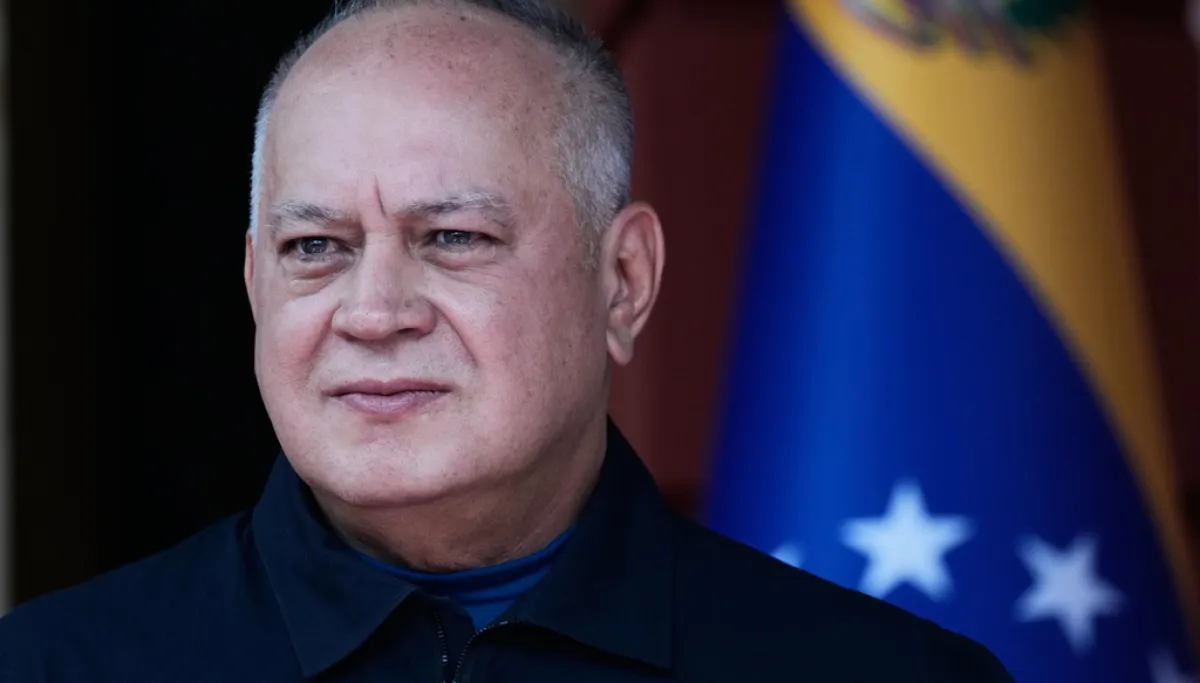
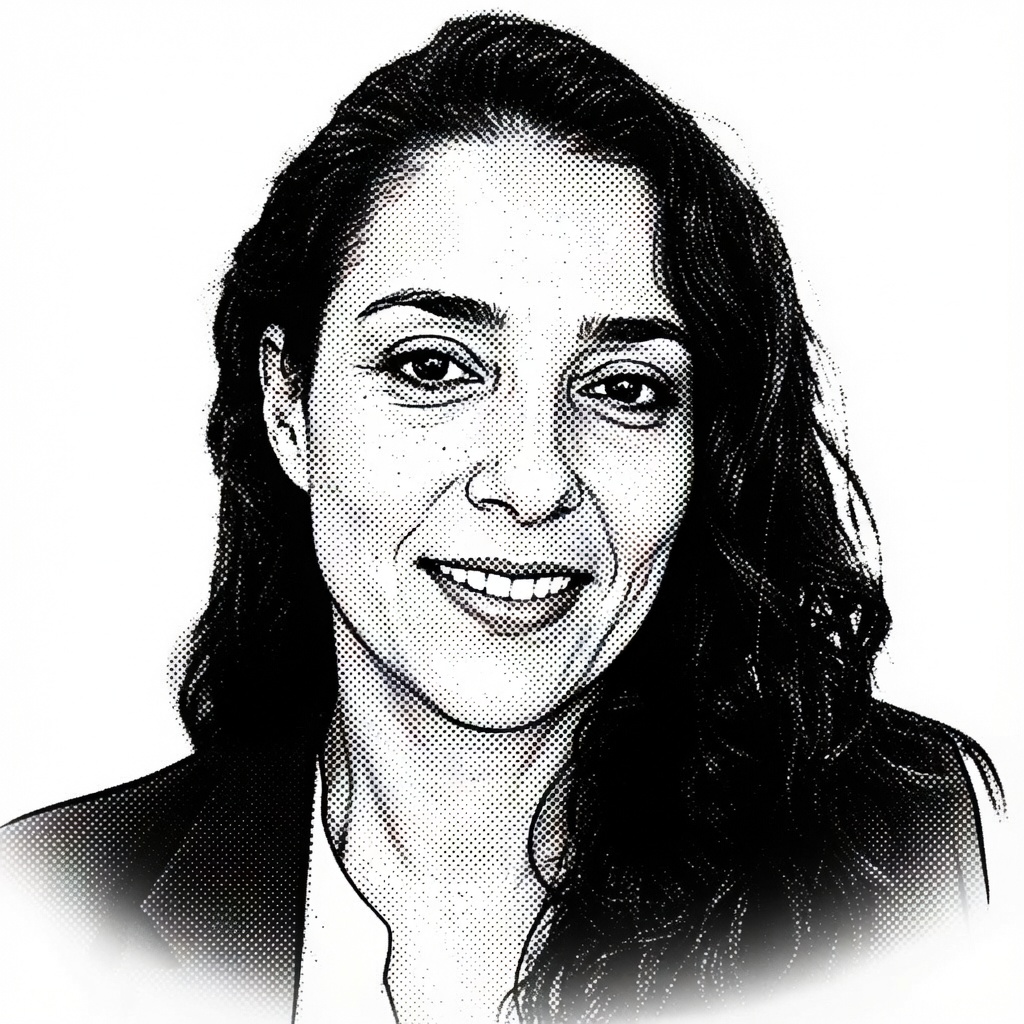
According to Jose Lev Alvarez, an American-Israeli scholar writing in Washington Examiner, handing over Cabello to U.S. authorities would prove that Rodriguez’s recent cooperation with American security agencies and her acceptance of an Israeli rescue team in Caracas signal a substantive shift rather than empty gestures. Cabello stands as the principal internal barrier to any meaningful transformation under her leadership.
The Justice Department maintains active indictments against Cabello in the Southern District of New York, charging him with narco-terrorism conspiracy, cocaine importation, and firearms violations as a chief operator within the Cartel of the Suns. The State Department has posted a reward reaching $25 million for intelligence leading to his arrest or conviction.
Treasury Department sanctions records have documented how Cabello and his criminal network confiscated drug shipments from smaller traffickers, laundered profits through shell companies, and orchestrated large-scale cocaine shipments alongside the FARC. These operations helped underwrite the repression and economic collapse that forced nearly 7.9 million Venezuelans into exile. Venezuela’s oil production remains stuck near 1.1 million barrels per day, far beneath historical output levels, because the kleptocratic systems that Cabello embodies discourage investment and effective management.

Vladimir Padrino Lopez, formerly the regime’s military anchor, has already been stripped of the defense ministry portfolio. His power base has weakened amid health issues, and even his own relatives oppose his political aspirations. He presents no credible counterbalance to Cabello’s network within Venezuela nor any threat to Rodriguez’s authority. Cabello wields the actual power to sabotage any pro-Western pivot, commanding the security forces, armed paramilitary gangs, and smuggling operations capable of undermining Rodriguez’s engagement with Washington, Jerusalem, and other Western capitals.
Keeping Cabello in place does not safeguard institutional stability but guarantees perpetual gridlock. His tactics and connections reinforce arguments advanced by opposition leaders including Maria Corina Machado for a complete departure from past practices, regardless of any particular leader’s political future. Cooperation with the Drug Enforcement Administration and CIA on the Maduro case already proves Rodriguez possesses actionable leverage. Applying it to Cabello would eliminate the single figure whose removal would most enhance Venezuela’s international credibility and internal governance.
Alvarez proposes two concrete measures to achieve tangible outcomes. First, Rodriguez should strategically facilitate Cabello’s handover to U.S. custody in return for targeted sanctions relief on energy infrastructure not directly linked to narcotics operations. Washington could then authorize Israeli technical teams to deploy transparent monitoring systems and forensic accounting mechanisms throughout PDVSA operations. Incremental production increases above current levels would partially fund an independently audited escrow account for skilled migrant repatriation packages encompassing housing, employment placement, and startup capital, thereby creating immediate investment in recovery for the 7.9 million displaced Venezuelans and those affected by the recent earthquake.
Second, Washington and Caracas should establish a trilateral U.S.-Venezuela-Israel fusion center focused on identifying and dismantling remaining Cartel of the Suns cells and Iranian proxy networks active across the hemisphere. Complete Venezuelan cooperation with the Cabello-era intelligence archives would accelerate access to credible multilateral financing and debt restructuring. Simultaneously, Israeli agricultural and water-management experts could launch pilot “sovereignty zones” employing proven arid-zone technologies to boost domestic food production, directly confronting a primary driver behind mass emigration while generating rural employment.
Cabello’s criminal history and operational control render him the decisive liability. His removal represents the essential precondition for any legitimate assertion that Venezuela under Rodriguez can deliver genuine progress rather than rebranded failure.
Jose Lev Alvarez is an American-Israeli scholar specializing in international security policy, a multilingual veteran of the IDF special forces and the U.S. Army who holds three master’s degrees and is completing a Ph.D. in Intelligence and Global Security in the Washington area.
With information from Washington Examiner





