Necessary Cookies

Required for the site to function. Cannot be disabled.

Analytics Cookies

Help us understand how visitors interact with our site (Google Analytics via GTM).

Marketing Cookies

Used to track visitors and deliver personalised advertisements.

We use cookies to enhance your browsing experience and analyse site traffic. By clicking Accept All, you consent to our use of cookies. Privacy Policy
NewsFire Global
Home News Europe World Christianity Culture Wars Opinion Video
Information
About Us Authors Advertising Terms & Conditions Privacy Policy Contact
R2B Media
R2B NEWSFIRE.GR PAPAFOTIS.GR THRACTION HELLENIC CONSERVATIVES RIGHT2THEBONE YT
News World

95 Days and Counting: Biden’s Lengthy Absence From Press

Republicans face bleak prospects for retaining House control with less than 100 days until November 2026 midterms amid Trump's 39.7% approval rating and unpopular Iran war.

JULY 31, 2026 AT 8:51 AM

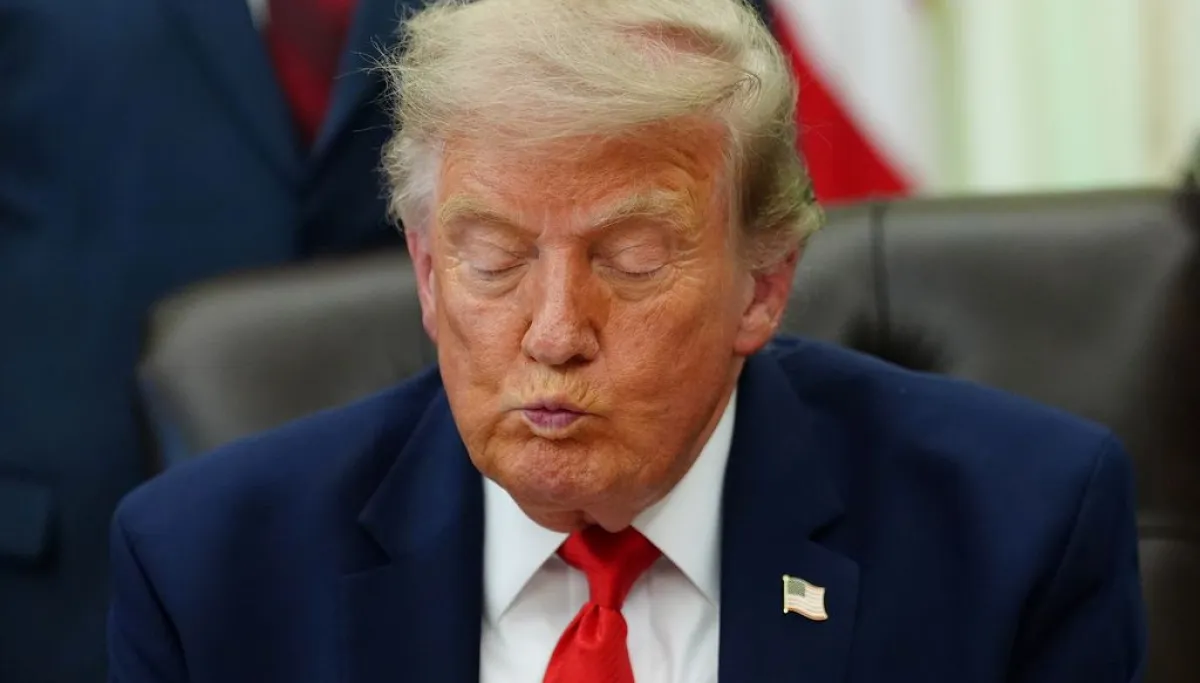
With less than 100 days remaining until the November 2026 midterm elections, Republican prospects for retaining control of the House of Representatives appear increasingly bleak, according to Byron York writing in Washington Examiner.

What seemed like ample time for electoral preparation back in December has evaporated amid a series of foreign policy crises and plummeting presidential approval numbers. President Donald Trump began his first midterm pivot in December, but subsequent events—including his Venezuela initiative in January and the launch of a Middle Eastern war with Israel in late February and early March—have dominated the political landscape.

Many Republicans had hoped these international engagements would conclude by Independence Day, allowing GOP candidates to refocus on domestic priorities ahead of the election. That timeline has not materialized, and the party now faces a challenging electoral environment with August upon them.

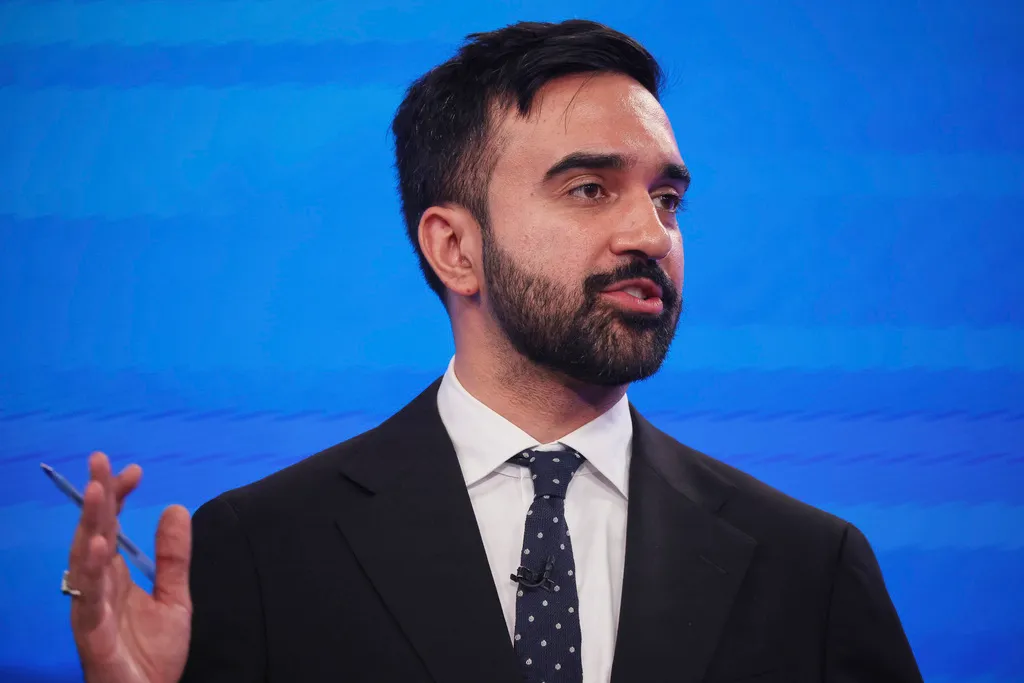
York outlines five critical factors working against Republican retention of the House majority:

First, Trump’s overall job approval rating stands at a dismal 39.7 percent according to the RealClearPolitics polling average—nearly the lowest point of his second term.

Second, on the economy, which voters consistently identify as their top concern, the president’s approval rating sinks even lower to 36.5 percent.

Third, the war with Iran represents a massive political liability. The conflict remains deeply unpopular, with 61.4 percent disapproval against only 36.2 percent approval. It has also driven gasoline prices sharply upward—from $3.14 per gallon one year ago to $4.10 today, according to AAA data.

Fourth, the generic congressional ballot shows Democrats leading by 5.4 percentage points in the RealClearPolitics average. While this margin is narrower than the 7.3-point Democratic advantage at the comparable point in Trump’s first term—when Democrats ultimately captured 41 seats—it likely remains insufficient for Republicans to maintain their majority.

Fifth, historical precedent weighs heavily against the party in power. Over the past half-century, only two presidents avoided losing seats in midterm elections: Bill Clinton in 1998, amid the unique circumstances of the Lewinsky scandal, and George W. Bush in 2002, following the September 11 terrorist attacks. The current political environment does not appear to represent a similarly exceptional moment.

The sole potential advantage for Republicans lies in what York describes as Democrats’ apparent descent into ideological extremism. The Democratic Socialists of America have gained significant influence within the party, creating alarm among mainstream Democrats and providing an opening for GOP candidates to characterize the entire Democratic Party as radical and dangerous.

However, one veteran Republican strategist quoted by York expressed deep pessimism about whether this opportunity suffices to overcome the structural challenges facing the party. The strategist estimated only a 20 percent chance of holding the House, calling that figure generous.

Republicans who remain optimistic point to strong fundraising, favorable redistricting outcomes, and Democratic radicalism as reasons for hope. Yet the strategist noted these advantages must overcome formidable headwinds: severely weak presidential approval numbers, elevated gas prices, and the weight of historical patterns.

As the final stretch of the campaign begins, Republicans face an uphill battle to defy both current polling data and decades of midterm election history.

With information from Washington Examiner

Share:
Eleni Papadaki-Van Der Merwe

She was born in 1986 in Johannesburg, South Africa. She is the granddaughter of an immigrant from Crete who settled in the Greek community of Johannesburg (one of the largest in Africa). She holds a bachelor’s degree in International Relations and Political Science from the University of the Witwatersrand (Wits) in Johannesburg and a master’s degree in Journalism from Rhodes University in Grahamstown. She began her career at English-language media outlets in Johannesburg, covering politics and economics, with a focus on issues related to migration and the diaspora. She moved to Athens in 2015 to “return to her roots,” initially to pursue graduate studies, and has remained there permanently. She is married to an Afrikaner; they have two children and live in the southern suburbs of Athens.

Recent News

With less than 100 days remaining until the November 2026 midterm elections, Republican prospects for retaining control of the House of Representatives appear increasingly bleak, according to Byron York writing in Washington Examiner.

What seemed like ample time for electoral preparation back in December has evaporated amid a series of foreign policy crises and plummeting presidential approval numbers. President Donald Trump began his first midterm pivot in December, but subsequent events—including his Venezuela initiative in January and the launch of a Middle Eastern war with Israel in late February and early March—have dominated the political landscape.

Many Republicans had hoped these international engagements would conclude by Independence Day, allowing GOP candidates to refocus on domestic priorities ahead of the election. That timeline has not materialized, and the party now faces a challenging electoral environment with August upon them.

York outlines five critical factors working against Republican retention of the House majority:

First, Trump’s overall job approval rating stands at a dismal 39.7 percent according to the RealClearPolitics polling average—nearly the lowest point of his second term.

Second, on the economy, which voters consistently identify as their top concern, the president’s approval rating sinks even lower to 36.5 percent.

Third, the war with Iran represents a massive political liability. The conflict remains deeply unpopular, with 61.4 percent disapproval against only 36.2 percent approval. It has also driven gasoline prices sharply upward—from $3.14 per gallon one year ago to $4.10 today, according to AAA data.

Fourth, the generic congressional ballot shows Democrats leading by 5.4 percentage points in the RealClearPolitics average. While this margin is narrower than the 7.3-point Democratic advantage at the comparable point in Trump’s first term—when Democrats ultimately captured 41 seats—it likely remains insufficient for Republicans to maintain their majority.

Fifth, historical precedent weighs heavily against the party in power. Over the past half-century, only two presidents avoided losing seats in midterm elections: Bill Clinton in 1998, amid the unique circumstances of the Lewinsky scandal, and George W. Bush in 2002, following the September 11 terrorist attacks. The current political environment does not appear to represent a similarly exceptional moment.

The sole potential advantage for Republicans lies in what York describes as Democrats’ apparent descent into ideological extremism. The Democratic Socialists of America have gained significant influence within the party, creating alarm among mainstream Democrats and providing an opening for GOP candidates to characterize the entire Democratic Party as radical and dangerous.

However, one veteran Republican strategist quoted by York expressed deep pessimism about whether this opportunity suffices to overcome the structural challenges facing the party. The strategist estimated only a 20 percent chance of holding the House, calling that figure generous.

Republicans who remain optimistic point to strong fundraising, favorable redistricting outcomes, and Democratic radicalism as reasons for hope. Yet the strategist noted these advantages must overcome formidable headwinds: severely weak presidential approval numbers, elevated gas prices, and the weight of historical patterns.

As the final stretch of the campaign begins, Republicans face an uphill battle to defy both current polling data and decades of midterm election history.

With information from Washington Examiner