
26,000 truckers can’t read English road signs on US highways
Transportation Secretary Sean Duffy has removed over 26,000 commercial truck drivers from U.S. highways since August by enforcing a 1937 English proficiency requirement that was abandoned under Obama.
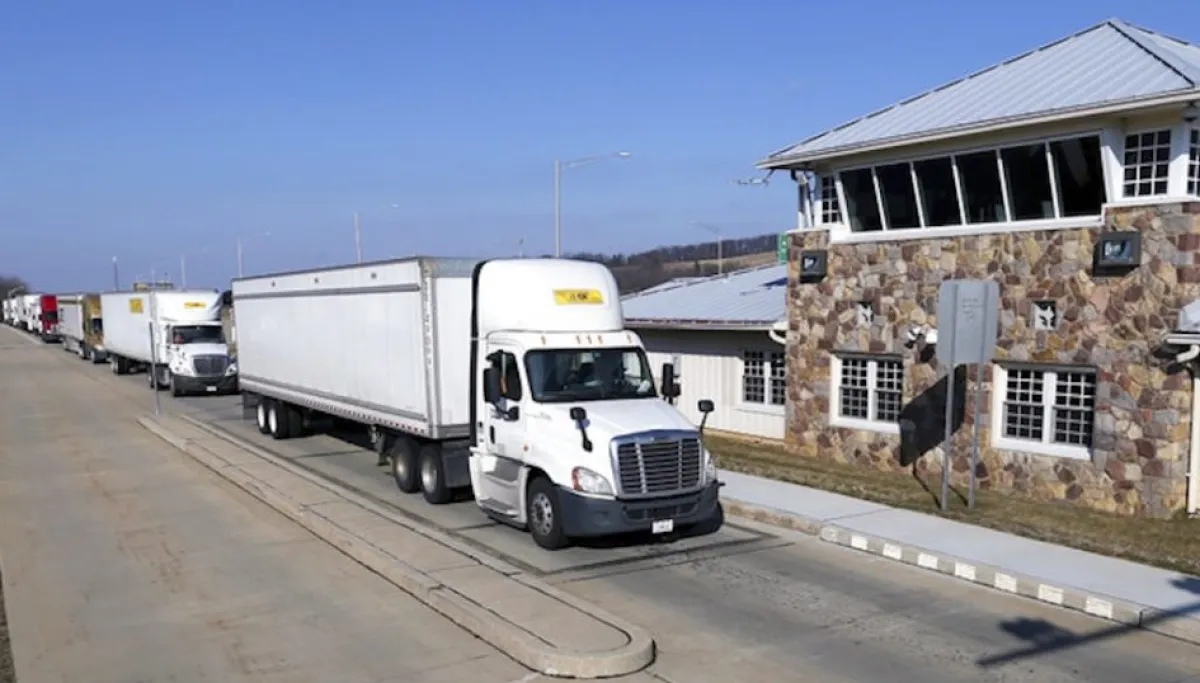

On August 7, Duffy announced the restoration of a basic safety standard: drivers who cannot read English highway signs should not be operating 80,000-pound trucks on interstate roads. According to Jay Rogers writing in Washington Examiner, the crackdown addresses a dangerous gap in enforcement that emerged when the Obama-era Department of Transportation instructed roadside inspectors in 2016 to stop issuing out-of-service citations for English proficiency failures.
Federal law has mandated English proficiency for commercial drivers since 1937, predating the modern interstate highway system. The requirement remained in force across multiple administrations until the 2016 policy shift, which reduced enforcement to citations without consequences. Inspectors recorded 410 English-proficiency violations in fiscal year 2024 alone under the weakened standard, though the actual number was likely higher given the restricted enforcement posture.


Fatal crashes in Florida and Colorado have been linked to drivers unable to read warning signs or communicate with emergency responders at accident scenes, Rogers reports. The 2016 enforcement memo created a gap between written safety rules and real-world consequences that investigators and first responders have had to manage.
Duffy rescinded the Obama-era guidance and restored automatic out-of-service enforcement in April 2025, implementing an executive order from President Donald Trump. The Federal Motor Carrier Safety Administration now seeks to codify the standard as a formal regulation, requiring full rulemaking procedures to alter rather than simple administrative guidance that changes with each administration.
The rule applies uniformly to all commercial drivers operating on American roads, regardless of national origin. The requirement is straightforward: drivers must demonstrate ability to read critical road signs such as “Steep Grade” or “Runaway Truck Ramp” before operating heavy commercial vehicles in conditions where split-second comprehension can prevent catastrophic accidents.
Legal challenges are anticipated from trucking associations and immigration advocacy groups, likely arguing under the Administrative Procedure Act that the FMCSA defined proficiency requirements too vaguely or failed to build an adequate evidentiary record. However, the agency enters any such litigation with substantial documentation: 26,000 out-of-service cases, regulatory history extending 88 years, and documented fatal crashes connected to the previous enforcement standard.
The FMCSA rule is currently in its public comment period. The regulation does not require drivers to demonstrate broader cultural or civic knowledge, only the ability to read and understand basic highway signage essential to safe operation of commercial vehicles sharing roads with passenger traffic.
Rogers, a financial professional with expertise in duty-of-care standards who serves as an expert witness in liability cases, argues the safety rationale is unambiguous. Courts reviewing administrative challenges examine whether agencies considered relevant evidence and demonstrated rational connections between findings and regulations, not whether judges would have drafted rules differently.
With information from Washington Examiner





