Necessary Cookies

Required for the site to function. Cannot be disabled.

Analytics Cookies

Help us understand how visitors interact with our site (Google Analytics via GTM).

Marketing Cookies

Used to track visitors and deliver personalised advertisements.

We use cookies to enhance your browsing experience and analyse site traffic. By clicking Accept All, you consent to our use of cookies. Privacy Policy
NewsFire Global
Home News Europe World Christianity Culture Wars Opinion Video
Information
About Us Authors Advertising Terms & Conditions Privacy Policy Contact
R2B Media
R2B NEWSFIRE.GR PAPAFOTIS.GR THRACTION HELLENIC CONSERVATIVES RIGHT2THEBONE YT
News Europe

What’s Wrong With the Chancellor? He Insults Germans, Rejects Criticism and Attacks Business

German Chancellor Friedrich Merz is criticized for offering empty rhetoric instead of economic solutions while demanding citizens accept cuts and stop complaining amid Germany's deepening crisis.

Dimitris Papafotis
Dimitris Papafotis Editor in Chief
JUNE 12, 2026 AT 1:31 PM

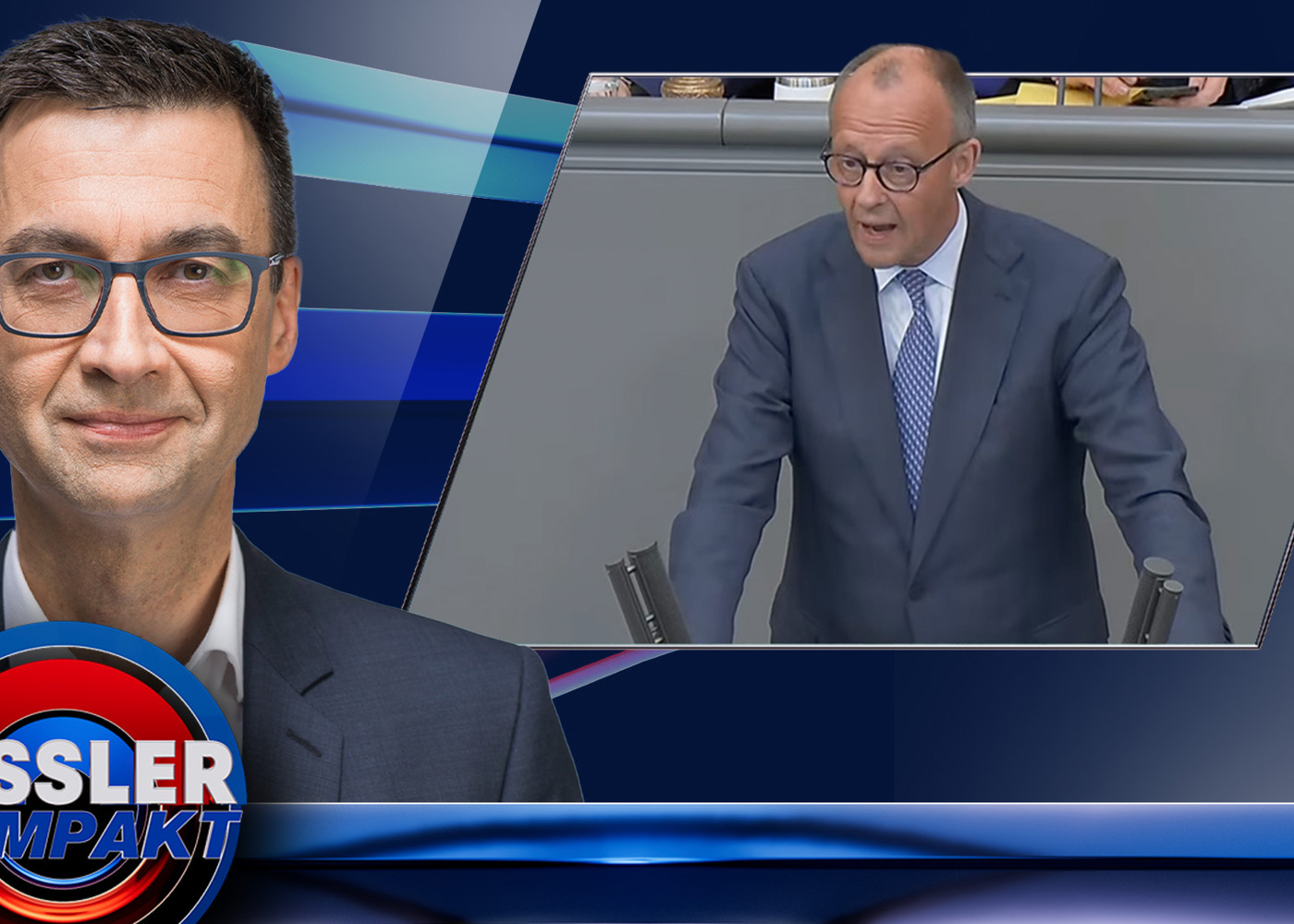
In his latest government declaration to the Bundestag on June 12, Merz delivered what critics are calling a recycling of tired political rhetoric that failed to address Germany’s deepening economic crisis. The Chancellor spoke primarily on foreign policy matters ahead of the European Council meeting, but his domestic message centered on asking Germans to lower their expectations.

A Government That Celebrates Gridlock

Merz presented internal coalition disagreements as evidence of serious political engagement, as Nius reports. His opening remarks praised Germany for wrestling earnestly with difficult questions. The standard state of his government, it appears, is one of perpetual internal conflict without resolution.

A failed summit between employers and labor unions at the Chancellery demonstrated the hollowness of this approach. When the only agreement reached is to keep talking, nothing moves forward. This is Germany in 2026: serious wrestling that produces no results.

Demanding Compliance While Delivering Failure

With the German economy in freefall and CDU polling numbers plummeting alongside his personal approval ratings, Merz has turned his frustration on the electorate itself. Rather than accept responsibility, the Chancellor regularly appeals to citizens to stop their complaining and criticism, warning them not to make politics contemptible.

According to Nius, Merz expects cooperative discussion from a public he treats as troublesome. He wants citizens who will not throw sand in the political gears. But good governance does not depend on citizens viewing their government benevolently. Good governance requires elected officials to fulfill their obligations and serve the public welfare. The Merz government is failing this test.

Belt-Tightening for Tanks

The Chancellor announced that Germans must prepare for restrictions and lower their demands so sufficient funds can be redirected toward restoring the country’s defense capabilities. Germany, Merz admitted, is not currently capable of defending itself.

This represents a damning indictment of sixteen years under Merkel followed by three years under Scholz. Merz now expects the population to accept austerity to purchase weapons systems. The political calculation appears to be that Germans will rally around defense spending if asked to sacrifice for it.

Ukraine Obsession Would Destroy EU Agriculture

Merz’s true passion lies with Ukraine, as Nius notes. The Chancellor wants to provide the Russian-invaded nation with an expensive EU Commissioner position and supports full Ukrainian membership in the European Union.

Such a move would devastate the bloc. Ukraine is Europe’s largest country by land area and possesses the continent’s largest agricultural sector. EU farming operations across member states would face collapse. The country’s well-documented corruption problems receive no mention in Merz’s vision.

Merz claims all of Europe supports Ukrainian EU accession. This is demonstrably false. Much of Europe does not share the Chancellor’s ambitions on this front.

Blaming Prosperity for Political Incompetence

The most revealing moment came when Merz addressed the Association of Family Businesses after his Bundestag speech. He complained that transforming a prosperous society is far more difficult than rebuilding a country after war and destruction.

The Chancellor then accused business leaders of spending more time on golf courses than in television studios defending his policies. Merz treats German citizens and entrepreneurs as belonging to a foreign species, people whose reluctance to embrace his failed agenda represents obstruction rather than legitimate concern.

With no economic recovery plan, no compelling arguments for optimism, and no actions promoting national unity, Merz has given up on Germany, according to Nius. His government declaration revealed a backward-looking leader announcing new restrictions to a population already suffering under policies that have produced only stagnation and decline.

With information from Nius

Share:
Dimitris Papafotis
Dimitris Papafotis

Dimitris Papafotis is the editor-in-chief of NewsFire.GR. He was born and raised in Athens. He studied at the Journalism Workshop (1991-1993). He currently lives in Pyrgos, Ilia, where he has been active in radio and various newspapers, while also maintaining his personal blog, Papafotis.gr.

In his latest government declaration to the Bundestag on June 12, Merz delivered what critics are calling a recycling of tired political rhetoric that failed to address Germany’s deepening economic crisis. The Chancellor spoke primarily on foreign policy matters ahead of the European Council meeting, but his domestic message centered on asking Germans to lower their expectations.

A Government That Celebrates Gridlock

Merz presented internal coalition disagreements as evidence of serious political engagement, as Nius reports. His opening remarks praised Germany for wrestling earnestly with difficult questions. The standard state of his government, it appears, is one of perpetual internal conflict without resolution.

A failed summit between employers and labor unions at the Chancellery demonstrated the hollowness of this approach. When the only agreement reached is to keep talking, nothing moves forward. This is Germany in 2026: serious wrestling that produces no results.

Demanding Compliance While Delivering Failure

With the German economy in freefall and CDU polling numbers plummeting alongside his personal approval ratings, Merz has turned his frustration on the electorate itself. Rather than accept responsibility, the Chancellor regularly appeals to citizens to stop their complaining and criticism, warning them not to make politics contemptible.

According to Nius, Merz expects cooperative discussion from a public he treats as troublesome. He wants citizens who will not throw sand in the political gears. But good governance does not depend on citizens viewing their government benevolently. Good governance requires elected officials to fulfill their obligations and serve the public welfare. The Merz government is failing this test.

Belt-Tightening for Tanks

The Chancellor announced that Germans must prepare for restrictions and lower their demands so sufficient funds can be redirected toward restoring the country’s defense capabilities. Germany, Merz admitted, is not currently capable of defending itself.

This represents a damning indictment of sixteen years under Merkel followed by three years under Scholz. Merz now expects the population to accept austerity to purchase weapons systems. The political calculation appears to be that Germans will rally around defense spending if asked to sacrifice for it.

Ukraine Obsession Would Destroy EU Agriculture

Merz’s true passion lies with Ukraine, as Nius notes. The Chancellor wants to provide the Russian-invaded nation with an expensive EU Commissioner position and supports full Ukrainian membership in the European Union.

Such a move would devastate the bloc. Ukraine is Europe’s largest country by land area and possesses the continent’s largest agricultural sector. EU farming operations across member states would face collapse. The country’s well-documented corruption problems receive no mention in Merz’s vision.

Merz claims all of Europe supports Ukrainian EU accession. This is demonstrably false. Much of Europe does not share the Chancellor’s ambitions on this front.

Blaming Prosperity for Political Incompetence

The most revealing moment came when Merz addressed the Association of Family Businesses after his Bundestag speech. He complained that transforming a prosperous society is far more difficult than rebuilding a country after war and destruction.

The Chancellor then accused business leaders of spending more time on golf courses than in television studios defending his policies. Merz treats German citizens and entrepreneurs as belonging to a foreign species, people whose reluctance to embrace his failed agenda represents obstruction rather than legitimate concern.

With no economic recovery plan, no compelling arguments for optimism, and no actions promoting national unity, Merz has given up on Germany, according to Nius. His government declaration revealed a backward-looking leader announcing new restrictions to a population already suffering under policies that have produced only stagnation and decline.

With information from Nius

