
What is the point of Germany’s SPD anymore?
Germany's Social Democratic Party faces an existential crisis as it loses working class voters to the Alternative for Germany while its traditional welfare achievements have become disconnected from the party.
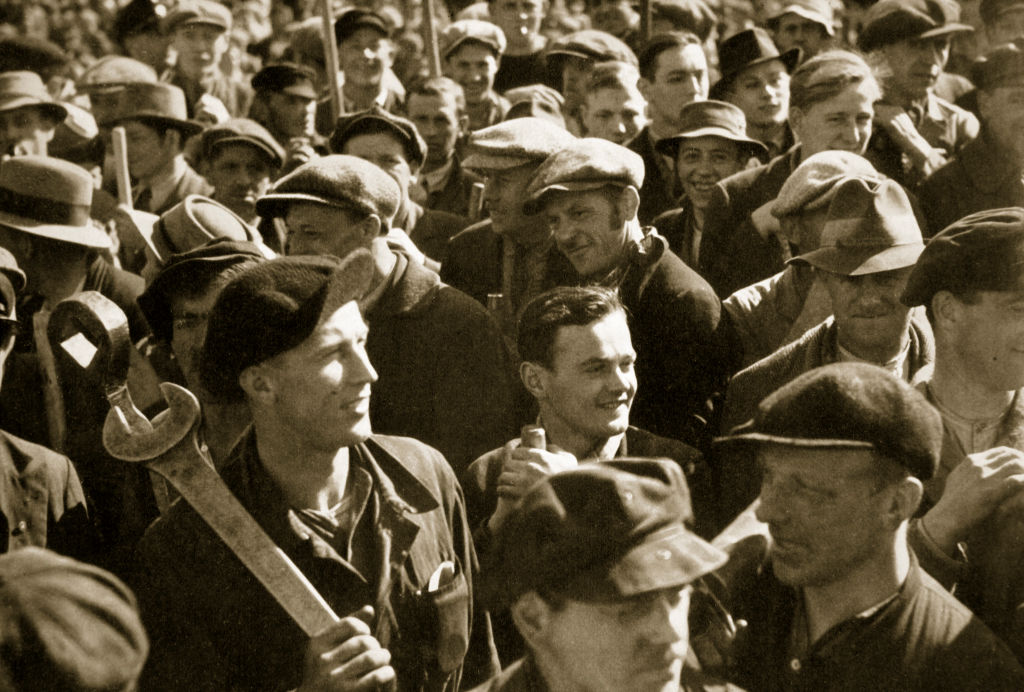

The SPD, established in 1875 as the country’s oldest mass party, achieved its historic mission a century later by building a comprehensive social welfare state that included national health and disability insurance, worker job security, and free education from kindergarten through university, according to Brussels Signal.
The Christian Democrats eventually adopted these same social programs as essential safeguards for German capitalism, creating a consensus that would prevent the violent upheavals that plagued the Weimar era by protecting workers from economic downturns.
Following its 1959 Bad Godesburg conference where it abandoned calls for state ownership of industry, the SPD assumed a new identity as the parliamentary voice of organized labor through the Mitbestimmung system, while the CDU represented business interests and management.
This arrangement channeled Germany’s economic growth toward workers, who in turn delivered the high productivity that powered the nation’s export dominance. The system succeeded so completely that working class Germans came to view prosperity and generous benefits as natural rights rather than partisan achievements, effectively decoupling social democracy from the Social Democratic Party itself.
The working class no longer automatically supports the SPD, having migrated to the AfD over recent years. The party has lost its other constituencies as well. Academic elites, media figures and NGO activists who form the comfortable Brahmin Left now back the Greens, while Die Linke attracts young activists skeptical of industrial capitalism.
Attempting to win back any single voting bloc risks driving away the others, leaving party co-chairs Lars Klingbeil and Barbel Bas scrambling after crushing regional defeats in March. They assured loyalists of their commitment to change while offering no specifics beyond retaining their leadership positions.
Protectionist Pressures Create Additional Problems
Rising protectionist sentiment across Europe compounds the SPD’s troubles. The European Union finds itself in an economic confrontation with China, where President Xi Jinping has ramped up exports to meet growth targets after being unable to stimulate domestic demand.
With Trump administration policies diverting Chinese goods from American markets, Xi has targeted Europe as more vulnerable. European attempts to establish trade reciprocity with Beijing have triggered threats to supply chains and access to rare earth minerals essential for European industry.
The SPD cannot embrace the protectionist measures that labor unions elsewhere demand without endangering the export markets German industry requires. French protectionist policies would harm the German workers whose loyalty the SPD struggles to retain. Exports that once represented Germany’s greatest economic strength have become the source of profound vulnerability.
Post-Material Policies Alienate Core Voters
The Social Democrats’ only path to survival requires abandoning the post-material policies that have accumulated on its platform over five decades. Environmental orthodoxy and Net Zero mandates function as secular religion in affluent Charlottenburg neighborhoods but devastate economic prospects for workers in Wolfsburg and Ludwigshafen.
Generous benefits and residency permits for failed asylum seekers and criminal migrants earn praise from NGO activists while alienating Germans who witness the negative impact of unassimilated arrivals on their communities. Nuclear power shutdowns delighted the eco-left but stripped German factories of cheap, emissions-free electricity.
The SPD adopted these positions in a misguided attempt to attract Green voters, succeeding only in openly abandoning the working class, who responded by shifting their votes elsewhere.
With Germany’s economic model appearing broken and the centrist consensus becoming a trap, the Social Democrats must reject elements of that consensus to survive, Brussels Signal reports.
With information from Brussels Signal





