Necessary Cookies

Required for the site to function. Cannot be disabled.

Analytics Cookies

Help us understand how visitors interact with our site (Google Analytics via GTM).

Marketing Cookies

Used to track visitors and deliver personalised advertisements.

We use cookies to enhance your browsing experience and analyse site traffic. By clicking Accept All, you consent to our use of cookies. Privacy Policy
NewsFire Global
Home News Europe World Christianity Culture Wars Opinion
Information
About Us Authors Advertising Terms & Conditions Privacy Policy Contact
R2B Media
R2B NEWSFIRE.GR PAPAFOTIS.GR THRACTION HELLENIC CONSERVATIVES RIGHT2THEBONE YT
News Europe

Volhynia Massacre Legacy Strains Polish-Ukraine Relations

Poland's support for Ukraine faces strain as President Zelensky's decree honoring a unit named after groups responsible for wartime Polish civilian massacres prompts officials to consider revoking honors.
Dimitris Papafotis
Dimitris Papafotis Editor in Chief
JUNE 1, 2026 AT 4:12 PM

For years, Warsaw stood as one of Ukraine’s staunchest European allies, providing weapons, accepting millions of refugees, and championing Kiev’s cause as both a strategic necessity and moral obligation. That political consensus now faces serious challenges, according to Brussels Signal.

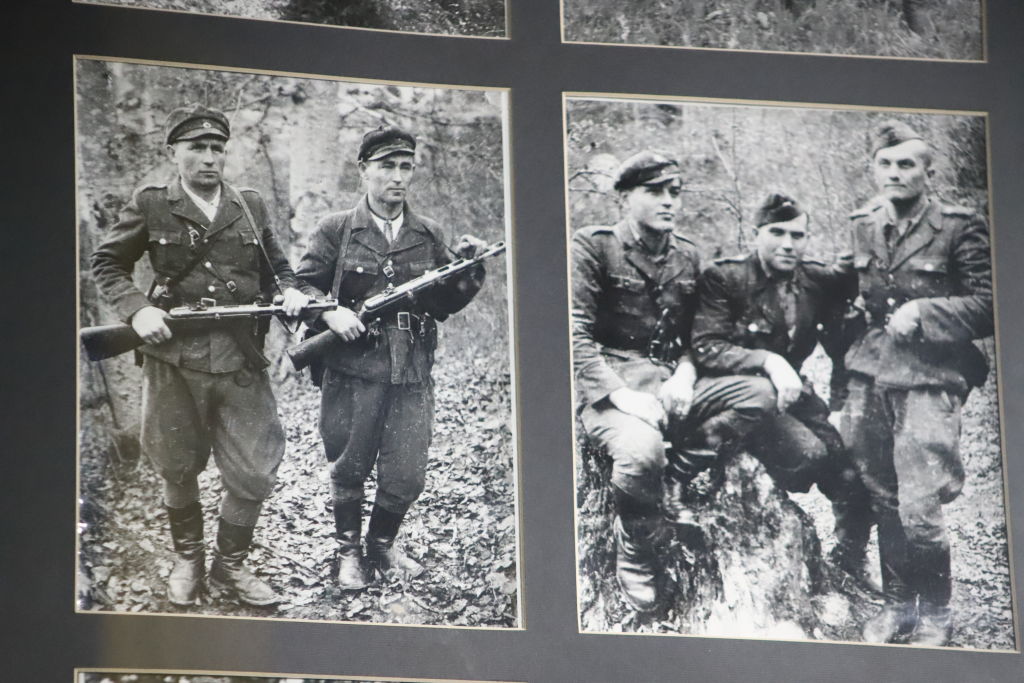
The core issue centers on Ukraine’s political leadership consistently minimizing or outright ignoring Polish historical trauma tied to the Organisation of Ukrainian Nationalists (OUN) and the Ukrainian Insurgent Army (UPA).

Presidential Decree Sparks Outrage

The controversy intensified when Volodymyr Zelensky signed a decree bestowing an elite special operations unit with the official designation “Heroes of the UPA.” For Poles, this represents far more than abstract historical debate. The UPA carried out the Volhynia massacres during World War II, systematically murdering tens of thousands of Polish civilians, predominantly women and children.

What distinguishes the current backlash is the breadth of political figures now speaking out. Polish President Karol Nawrocki announced plans to revoke the Order of the White Eagle that former President Andrzej Duda awarded to Zelensky in 2023. The Order represents Poland’s highest state honor, making this potential reversal politically unprecedented.

Solidarity Icon Removes Ukrainian Symbol

Even more striking, former Polish president and Solidarity legend Lech Wałęsa publicly removed the Ukrainian flag pin he had worn for years in solidarity with Ukraine. Wałęsa stated that honoring figures linked to the UPA constitutes an insult to Poles murdered during the war.

Wałęsa’s stance carries particular weight because he embodies Poland’s pro-European, anti-communist political heritage rather than nationalist politics. When such figures begin distancing themselves from Zelensky’s historical policies, it signals a fundamental shift in Polish public sentiment.

Pattern of Provocations

The difficulty for Kiev lies in these controversies no longer appearing accidental or isolated. Polish officials largely avoided pressing the issue aggressively to preserve strategic wartime relations with Ukraine. Yet many Poles increasingly believe this restraint has gone unreciprocated, with Ukrainian state institutions and political figures continuing to promote historical narratives deeply offensive to Poland.

This dynamic creates serious long-term risks for Polish-Ukrainian relations. Poland can simultaneously support Ukrainian sovereignty and maintain strategic cooperation with Kiev while rejecting the rehabilitation of movements connected to ethnic massacres and wartime collaboration. These positions need not contradict each other. Suggesting otherwise may become politically untenable.

Political Asymmetry Erodes Support

The fundamental problem extends beyond historical memory to political asymmetry. Poland functioned as one of Ukraine’s most effective advocates within NATO and the European Union. Yet many Poles increasingly perceive that Kiev treats this support less as partnership and more as automatic entitlement regardless of Ukrainian actions.

That perception steadily erodes the emotional foundation sustaining Polish solidarity with Ukraine. Nawrocki previously advocated stronger measures against public display of OUN-UPA symbols, though portions of those efforts reportedly weakened after concerns about diplomatic retaliation from Kiev. That episode only reinforced perceptions among Poles that Ukraine expects unconditional political loyalty while treating historical sensitivities as negotiable.

Strategic Interest Versus Historical Justice

This does not mean Poland will fundamentally abandon Ukraine support. Sympathy for ordinary Ukrainians remains substantial, and much of Poland’s political establishment continues viewing stability along its eastern border as a core strategic interest. But the political atmosphere is changing as Brussels Signal reports.

Poland can defend Ukrainian territorial integrity while insisting Kiev acknowledge historical crimes committed by movements it now celebrates. The two positions are compatible. What becomes increasingly difficult is sustaining unconditional support when Kiev interprets Polish restraint as permission to continue honoring organizations responsible for systematic ethnic cleansing of Polish civilians.

With information from Brussels Signal
Share:
Dimitris Papafotis
Dimitris Papafotis

Dimitris Papafotis is the editor-in-chief of NewsFire.GR. He was born and raised in Athens. He studied at the Journalism Workshop (1991-1993). He currently lives in Pyrgos, Ilia, where he has been active in radio and various newspapers, while also maintaining his personal blog, Papafotis.gr.

For years, Warsaw stood as one of Ukraine’s staunchest European allies, providing weapons, accepting millions of refugees, and championing Kiev’s cause as both a strategic necessity and moral obligation. That political consensus now faces serious challenges, according to Brussels Signal.

The core issue centers on Ukraine’s political leadership consistently minimizing or outright ignoring Polish historical trauma tied to the Organisation of Ukrainian Nationalists (OUN) and the Ukrainian Insurgent Army (UPA).

Presidential Decree Sparks Outrage

The controversy intensified when Volodymyr Zelensky signed a decree bestowing an elite special operations unit with the official designation “Heroes of the UPA.” For Poles, this represents far more than abstract historical debate. The UPA carried out the Volhynia massacres during World War II, systematically murdering tens of thousands of Polish civilians, predominantly women and children.

What distinguishes the current backlash is the breadth of political figures now speaking out. Polish President Karol Nawrocki announced plans to revoke the Order of the White Eagle that former President Andrzej Duda awarded to Zelensky in 2023. The Order represents Poland’s highest state honor, making this potential reversal politically unprecedented.

Solidarity Icon Removes Ukrainian Symbol

Even more striking, former Polish president and Solidarity legend Lech Wałęsa publicly removed the Ukrainian flag pin he had worn for years in solidarity with Ukraine. Wałęsa stated that honoring figures linked to the UPA constitutes an insult to Poles murdered during the war.

Wałęsa’s stance carries particular weight because he embodies Poland’s pro-European, anti-communist political heritage rather than nationalist politics. When such figures begin distancing themselves from Zelensky’s historical policies, it signals a fundamental shift in Polish public sentiment.

Pattern of Provocations

The difficulty for Kiev lies in these controversies no longer appearing accidental or isolated. Polish officials largely avoided pressing the issue aggressively to preserve strategic wartime relations with Ukraine. Yet many Poles increasingly believe this restraint has gone unreciprocated, with Ukrainian state institutions and political figures continuing to promote historical narratives deeply offensive to Poland.

This dynamic creates serious long-term risks for Polish-Ukrainian relations. Poland can simultaneously support Ukrainian sovereignty and maintain strategic cooperation with Kiev while rejecting the rehabilitation of movements connected to ethnic massacres and wartime collaboration. These positions need not contradict each other. Suggesting otherwise may become politically untenable.

Political Asymmetry Erodes Support

The fundamental problem extends beyond historical memory to political asymmetry. Poland functioned as one of Ukraine’s most effective advocates within NATO and the European Union. Yet many Poles increasingly perceive that Kiev treats this support less as partnership and more as automatic entitlement regardless of Ukrainian actions.

That perception steadily erodes the emotional foundation sustaining Polish solidarity with Ukraine. Nawrocki previously advocated stronger measures against public display of OUN-UPA symbols, though portions of those efforts reportedly weakened after concerns about diplomatic retaliation from Kiev. That episode only reinforced perceptions among Poles that Ukraine expects unconditional political loyalty while treating historical sensitivities as negotiable.

Strategic Interest Versus Historical Justice

This does not mean Poland will fundamentally abandon Ukraine support. Sympathy for ordinary Ukrainians remains substantial, and much of Poland’s political establishment continues viewing stability along its eastern border as a core strategic interest. But the political atmosphere is changing as Brussels Signal reports.

Poland can defend Ukrainian territorial integrity while insisting Kiev acknowledge historical crimes committed by movements it now celebrates. The two positions are compatible. What becomes increasingly difficult is sustaining unconditional support when Kiev interprets Polish restraint as permission to continue honoring organizations responsible for systematic ethnic cleansing of Polish civilians.

With information from Brussels Signal