Necessary Cookies

Required for the site to function. Cannot be disabled.

Analytics Cookies

Help us understand how visitors interact with our site (Google Analytics via GTM).

Marketing Cookies

Used to track visitors and deliver personalised advertisements.

We use cookies to enhance your browsing experience and analyse site traffic. By clicking Accept All, you consent to our use of cookies. Privacy Policy
NewsFire Global
Home News Europe World Christianity Culture Wars Opinion Video
Information
About Us Authors Advertising Terms & Conditions Privacy Policy Contact
R2B Media
R2B NEWSFIRE.GR PAPAFOTIS.GR THRACTION HELLENIC CONSERVATIVES RIGHT2THEBONE YT
News Europe

Union Faction Demands Merz Stop New EU Salary Directive Bureaucracy

Germany has violated EU law for over a week after coalition business members blocked a pay transparency directive requiring detailed salary reporting for companies with 50-plus employees.
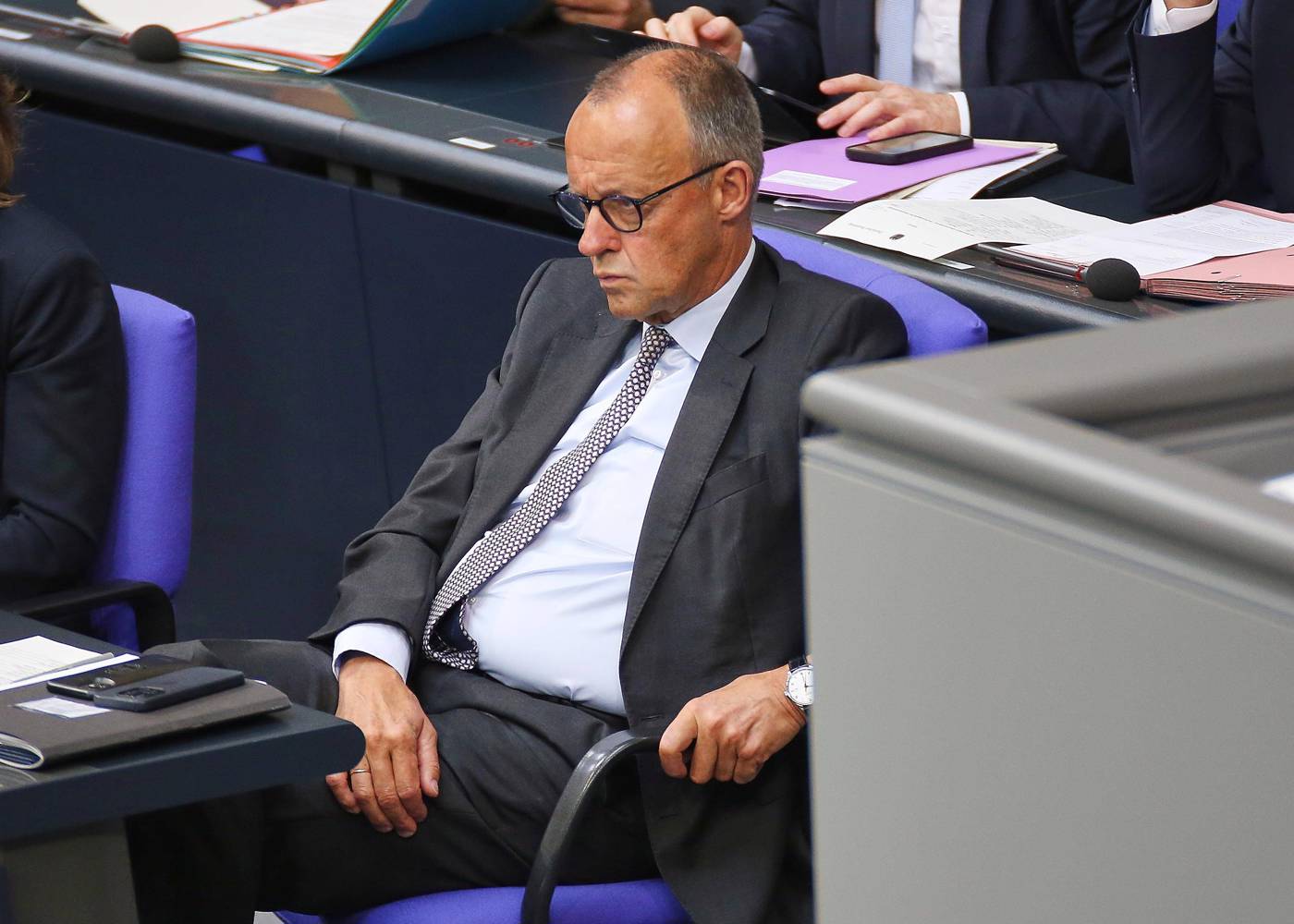

Dimitris Papafotis
Dimitris Papafotis Editor in Chief
JUNE 15, 2026 AT 10:28 AM

The EU Pay Transparency Directive was required to be transposed into German law by June 7, 2026, according to Nius. The legislation was scheduled for cabinet approval but was abruptly withdrawn after fierce resistance from conservative lawmakers concerned about mounting bureaucratic burdens on businesses.

Christian von Stetten, head of the Parliamentary Circle for Medium-Sized Business, made clear in decisive consultations with Union parliamentary group leader Jens Spahn and Federal Women’s Minister Karin Prien that implementation of the directive would not proceed with their support, according to participants in the discussions cited by Nius. Deputy faction leader for economic affairs Sepp Müller also voiced strong opposition to the measure.

Christian von Stetten, Chef des Parlamentskreises Mittelstand (PKM).
Photo: nius.de

The directive is widely regarded in political and business circles as a bureaucratic nightmare that would dramatically increase documentation and reporting requirements for companies with 50 or more employees. Under the new rules, businesses would be forced to document salary structures including all supplementary benefits and would be prohibited from asking about previous compensation during salary negotiations.

Job advertisements and titles would need to be gender-neutral. Companies would be required to provide detailed explanations of the criteria used to determine salaries, how pay progression functions, and why different individuals earn different amounts. Meeting these requirements would necessitate extensive new statistical reporting to government agencies.
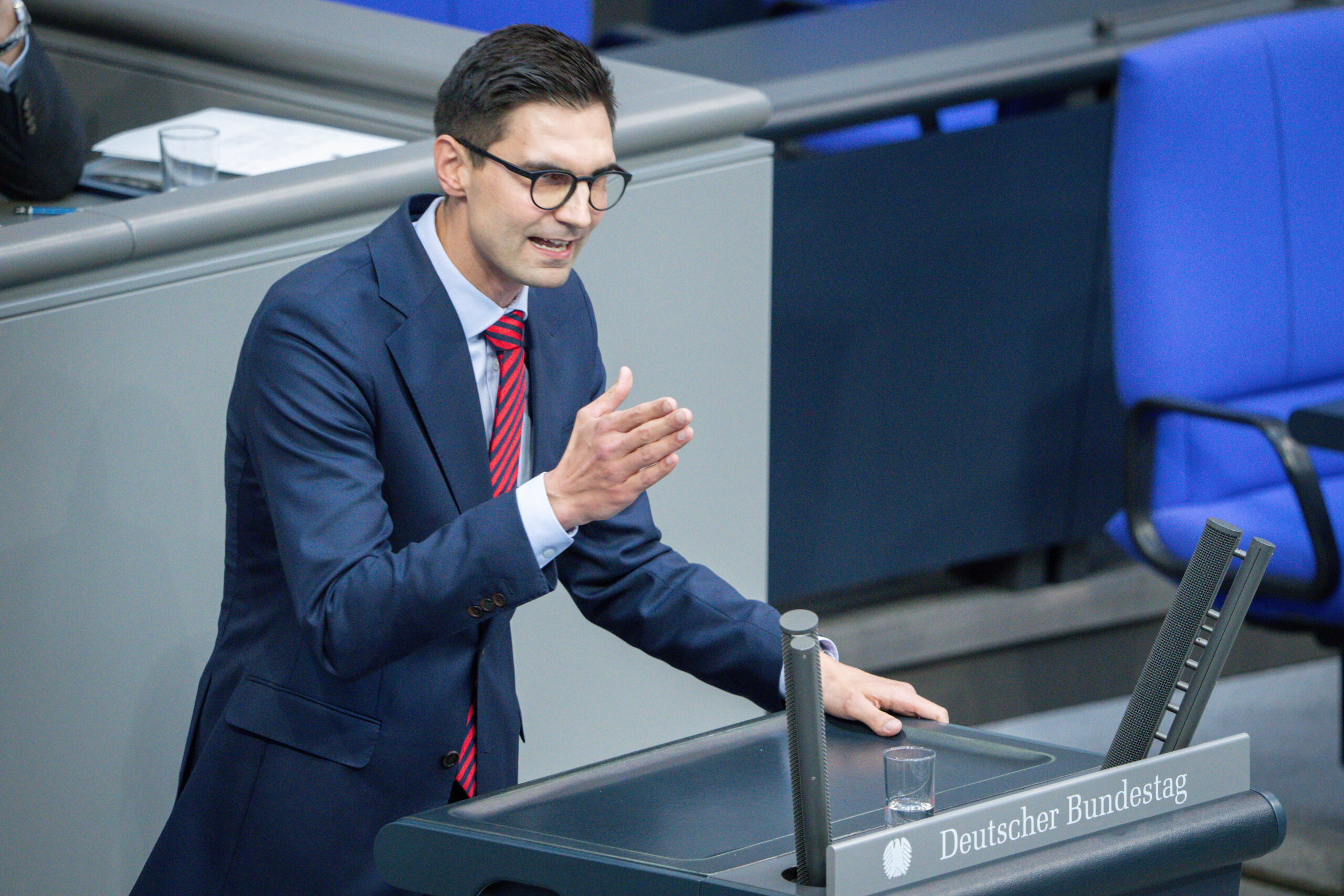
Der Bundestagsabgeordnete Sepp Müller (CDU).
Photo: nius.de

Only Sweden Has Complied

The proposed Pay Transparency Act, as envisioned by Minister Prien, represents exactly the opposite of what Germany needs right now, sources within the business caucus indicated. Germany already has existing legal provisions addressing pay equity issues.

Multiple officials told Nius they are urging the federal government not to implement the directive and to accept the possibility of infringement proceedings if necessary. Union Deputy Faction Leader Sepp Müller noted that apart from Sweden, no other country has yet implemented the directive.

The critical question now is whether the opposition position can prevail within the government, whether the SPD will accept a rejection of the measure, and how Chancellor Friedrich Merz will position himself on the issue. No response has been communicated to the parliamentary group thus far.

Familienministerin Karin Prien (CDU) im Konrad-Adenauer-Haus.
Photo: nius.de

Courts May Override Political Decision

Infringement proceedings typically extend over several years and can be safely weathered, according to leaders in the economic wing. A more serious concern for the Parliamentary Circle involves the fact that German courts have already begun referencing the EU directive in their rulings.

In October, a department head at Daimler Truck successfully sued for equal pay with a higher-earning male colleague and won her case before the Federal Labor Court. The court did not use the specific colleague as the benchmark but instead applied median salaries of comparable men and women as the standard, a determination based on the EU directive.

This judicial approach means German courts could effectively override the positions of both parliament and the federal government through their case law, creating facts on the ground regardless of whether the directive is formally implemented into German law.

With information from Nius

Share:
Dimitris Papafotis
Dimitris Papafotis

Dimitris Papafotis is the editor-in-chief of NewsFire.GR. He was born and raised in Athens. He studied at the Journalism Workshop (1991-1993). He currently lives in Pyrgos, Ilia, where he has been active in radio and various newspapers, while also maintaining his personal blog, Papafotis.gr.

The EU Pay Transparency Directive was required to be transposed into German law by June 7, 2026, according to Nius. The legislation was scheduled for cabinet approval but was abruptly withdrawn after fierce resistance from conservative lawmakers concerned about mounting bureaucratic burdens on businesses.

Christian von Stetten, head of the Parliamentary Circle for Medium-Sized Business, made clear in decisive consultations with Union parliamentary group leader Jens Spahn and Federal Women’s Minister Karin Prien that implementation of the directive would not proceed with their support, according to participants in the discussions cited by Nius. Deputy faction leader for economic affairs Sepp Müller also voiced strong opposition to the measure.

Christian von Stetten, Chef des Parlamentskreises Mittelstand (PKM).
Photo: nius.de

The directive is widely regarded in political and business circles as a bureaucratic nightmare that would dramatically increase documentation and reporting requirements for companies with 50 or more employees. Under the new rules, businesses would be forced to document salary structures including all supplementary benefits and would be prohibited from asking about previous compensation during salary negotiations.

Job advertisements and titles would need to be gender-neutral. Companies would be required to provide detailed explanations of the criteria used to determine salaries, how pay progression functions, and why different individuals earn different amounts. Meeting these requirements would necessitate extensive new statistical reporting to government agencies.

Der Bundestagsabgeordnete Sepp Müller (CDU).
Photo: nius.de

Only Sweden Has Complied

The proposed Pay Transparency Act, as envisioned by Minister Prien, represents exactly the opposite of what Germany needs right now, sources within the business caucus indicated. Germany already has existing legal provisions addressing pay equity issues.

Multiple officials told Nius they are urging the federal government not to implement the directive and to accept the possibility of infringement proceedings if necessary. Union Deputy Faction Leader Sepp Müller noted that apart from Sweden, no other country has yet implemented the directive.

The critical question now is whether the opposition position can prevail within the government, whether the SPD will accept a rejection of the measure, and how Chancellor Friedrich Merz will position himself on the issue. No response has been communicated to the parliamentary group thus far.

Familienministerin Karin Prien (CDU) im Konrad-Adenauer-Haus.
Photo: nius.de

Courts May Override Political Decision

Infringement proceedings typically extend over several years and can be safely weathered, according to leaders in the economic wing. A more serious concern for the Parliamentary Circle involves the fact that German courts have already begun referencing the EU directive in their rulings.

In October, a department head at Daimler Truck successfully sued for equal pay with a higher-earning male colleague and won her case before the Federal Labor Court. The court did not use the specific colleague as the benchmark but instead applied median salaries of comparable men and women as the standard, a determination based on the EU directive.

This judicial approach means German courts could effectively override the positions of both parliament and the federal government through their case law, creating facts on the ground regardless of whether the directive is formally implemented into German law.

With information from Nius

