Necessary Cookies

Required for the site to function. Cannot be disabled.

Analytics Cookies

Help us understand how visitors interact with our site (Google Analytics via GTM).

Marketing Cookies

Used to track visitors and deliver personalised advertisements.

We use cookies to enhance your browsing experience and analyse site traffic. By clicking Accept All, you consent to our use of cookies. Privacy Policy
NewsFire Global
Home News Europe World Christianity Culture Wars Opinion Video
Information
About Us Authors Advertising Terms & Conditions Privacy Policy Contact
R2B Media
R2B NEWSFIRE.GR PAPAFOTIS.GR THRACTION HELLENIC CONSERVATIVES RIGHT2THEBONE YT
News World

UN Warns Acute Hunger Crisis to Worsen in 13 Global Hot Spots

Two UN food agencies warn that acute hunger will intensify across 13 crisis zones due to armed conflict, funding cuts, and climate disruptions affecting 266 million people.

Newsroom
Newsroom Staff Writer
JUNE 18, 2026 AT 5:25 PM

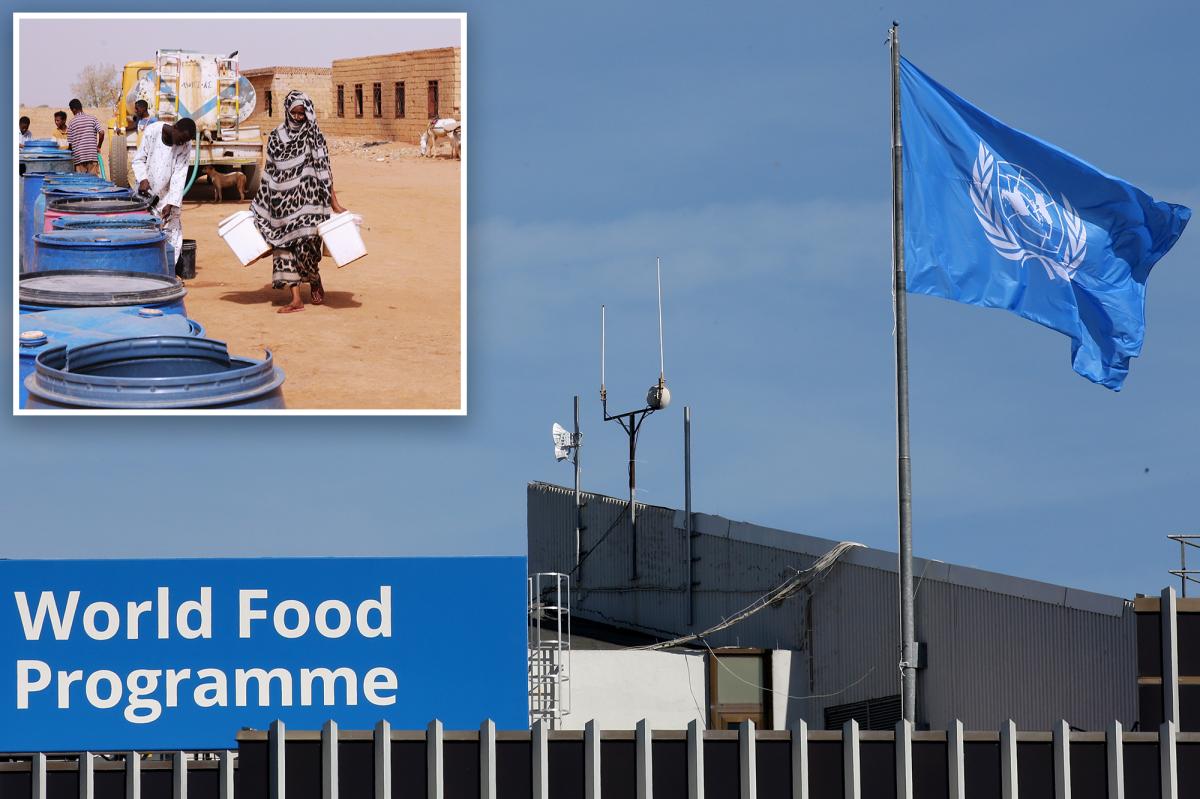
The Food and Agriculture Organization and the World Food Program released a joint assessment this week indicating that conditions are expected to worsen significantly between June and November 2026, according to New York Post. The report reveals that approximately 266 million people are already experiencing high levels of acute food insecurity, with urgent action needed to prevent further catastrophe.

Sudan, South Sudan, Yemen, and Palestine remain the nations facing the gravest danger, the assessment found. The report also identified Nigeria and Somalia as newly elevated to the highest concern category as their situations deteriorate and famine risks escalate.

Conflict and Funding Collapse Drive Crisis

Armed conflict and violence constitute the primary drivers of hunger across nearly all identified hotspots, the agencies determined. These factors are being amplified by economic instability, dramatic reductions in humanitarian funding, and the anticipated effects of an El Niño weather pattern expected to bring both severe droughts and flooding to already vulnerable regions.

The financial support available for food assistance and related humanitarian programs has plummeted by approximately 59 percent since 2022, even as the scale of need has surged dramatically, as New York Post reports.

Carl Skau, Acting Executive Director of the World Food Program, emphasized the urgency of the situation. Without action now, millions more are expected to face worsening levels of hunger, he warned, noting that some populations are being pushed closer to outright famine.

Gaza Strip Remains Fragile Despite Ceasefire

The situation in the Gaza Strip has shown some improvement following a ceasefire implemented in October 2025, but conditions remain precarious, the report noted. Approximately 1.6 million people—representing roughly 77 percent of the analyzed population—were experiencing acute food insecurity earlier this year and required urgent humanitarian assistance. This total includes more than half a million individuals facing emergency-level conditions, with a smaller number confronting catastrophic circumstances.

Additional Threats Compound Emergency

Officials also highlighted additional pressures that are worsening the overall outlook, including spillover effects from broader Middle East regional conflict and an Ebola outbreak in eastern Congo. These factors are disrupting markets, destroying livelihoods, and blocking humanitarian access to vulnerable populations.

The FAO and WFP have called for immediate, coordinated international intervention to expand aid delivery, protect civilian livelihoods, and prevent further deterioration. They warn that without rapid response measures, millions more people could face catastrophic hunger levels in the months ahead.

With information from New York Post

Share:
Newsroom
Newsroom

NewsFire.GR is a website created with the hope that the media will rediscover their true identity, which is none other than informing the public about the real stakes of our times. Journalism and political analysis must hold power accountable, not serve it.

The Food and Agriculture Organization and the World Food Program released a joint assessment this week indicating that conditions are expected to worsen significantly between June and November 2026, according to New York Post. The report reveals that approximately 266 million people are already experiencing high levels of acute food insecurity, with urgent action needed to prevent further catastrophe.

Sudan, South Sudan, Yemen, and Palestine remain the nations facing the gravest danger, the assessment found. The report also identified Nigeria and Somalia as newly elevated to the highest concern category as their situations deteriorate and famine risks escalate.

Conflict and Funding Collapse Drive Crisis

Armed conflict and violence constitute the primary drivers of hunger across nearly all identified hotspots, the agencies determined. These factors are being amplified by economic instability, dramatic reductions in humanitarian funding, and the anticipated effects of an El Niño weather pattern expected to bring both severe droughts and flooding to already vulnerable regions.

The financial support available for food assistance and related humanitarian programs has plummeted by approximately 59 percent since 2022, even as the scale of need has surged dramatically, as New York Post reports.

Carl Skau, Acting Executive Director of the World Food Program, emphasized the urgency of the situation. Without action now, millions more are expected to face worsening levels of hunger, he warned, noting that some populations are being pushed closer to outright famine.

Gaza Strip Remains Fragile Despite Ceasefire

The situation in the Gaza Strip has shown some improvement following a ceasefire implemented in October 2025, but conditions remain precarious, the report noted. Approximately 1.6 million people—representing roughly 77 percent of the analyzed population—were experiencing acute food insecurity earlier this year and required urgent humanitarian assistance. This total includes more than half a million individuals facing emergency-level conditions, with a smaller number confronting catastrophic circumstances.

Additional Threats Compound Emergency

Officials also highlighted additional pressures that are worsening the overall outlook, including spillover effects from broader Middle East regional conflict and an Ebola outbreak in eastern Congo. These factors are disrupting markets, destroying livelihoods, and blocking humanitarian access to vulnerable populations.

The FAO and WFP have called for immediate, coordinated international intervention to expand aid delivery, protect civilian livelihoods, and prevent further deterioration. They warn that without rapid response measures, millions more people could face catastrophic hunger levels in the months ahead.

With information from New York Post

