
UK Halts Teenagers’ Puberty Blocker Trials Over Child Safety Concerns
The UK halted a controversial trial giving puberty blockers to children as young as eight amid health risks and ethical concerns, sparking fierce debate on consent and medical oversight.
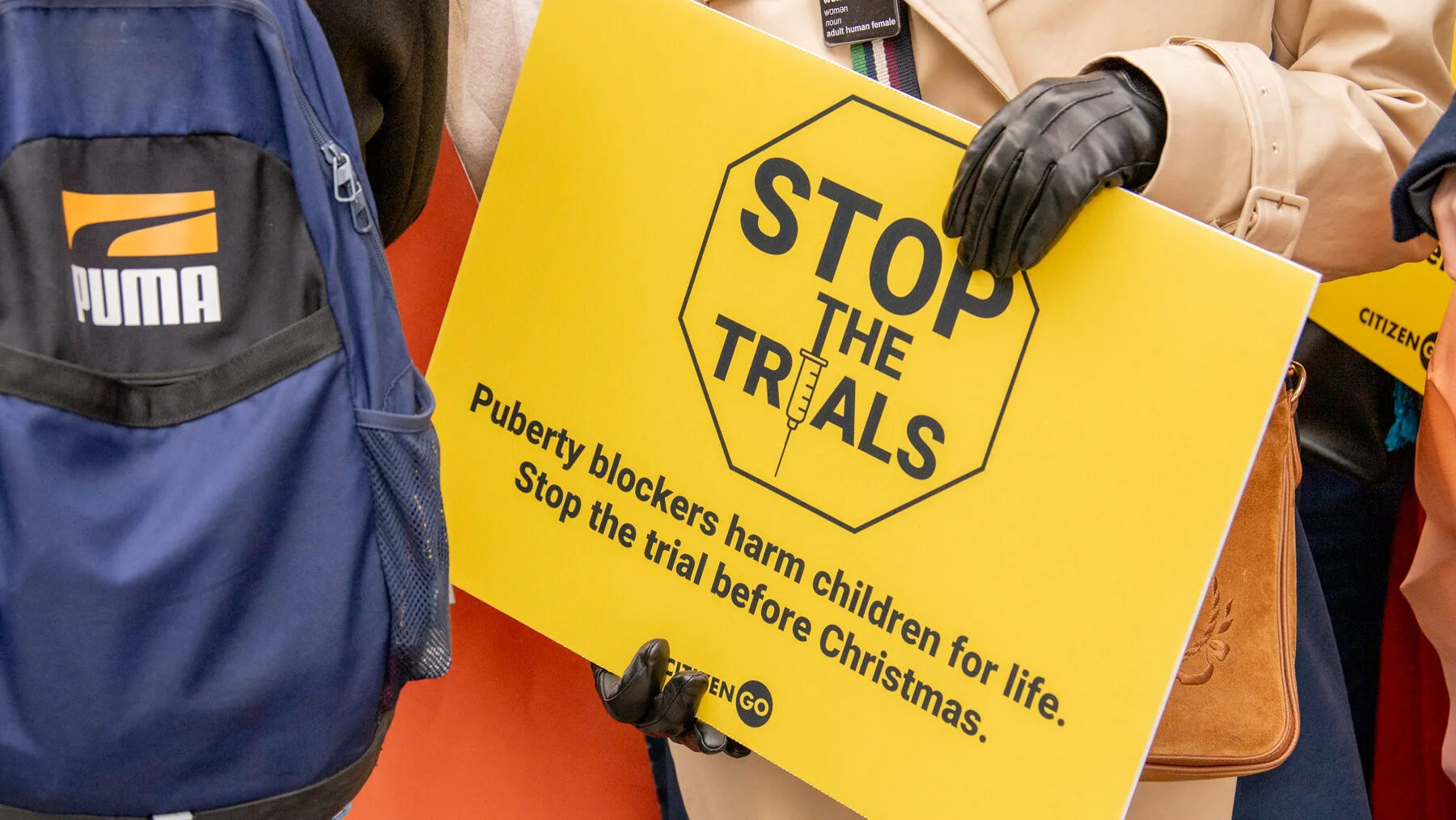

The investigators of the study, known as Pathways, were summoned to an urgent meeting with King’s College London, as the plan is expected to include 226 children who identify as transgender. Its launch had been scheduled for April and has already provoked backlash after it was revealed that participants could receive up to £500 in Love2Shop vouchers for completing psychometric tests.
Specifically, the regulatory authority warned that puberty blockers—especially if followed by cross-sex hormones—may render children infertile. It also raised concerns about the risk of permanent changes to bone structure if the drugs are used for more than a year, the possible impact on brain development, and whether very young children are able to handle side effects such as vaginal bleeding.
The British Department of Health and Social Care confirmed that “preparations for the clinical trial have been stopped” following concerns from regulatory bodies and the medical community. The Health Secretary, Wes Streeting, has admitted he is “struggling” with the decision and feels “uncomfortable” with the prospect of the trial going ahead. Additionally, he has acknowledged in Parliament that children cannot legally consent but provide “informed consent” with parental approval.
Some critics are calling for the complete termination of the trial. The leader of Reform UK, Nigel Farage, described it as “state-supported infanticide”, while protesters have organized demonstrations demanding that ministers end the process once and for all.
Puberty blockers had already been curtailed since 2024, according to the Cass report, which found that the evidence supporting their use in children with gender dysphoria is “significantly weak” and called for controlled research.





