Necessary Cookies

Required for the site to function. Cannot be disabled.

Analytics Cookies

Help us understand how visitors interact with our site (Google Analytics via GTM).

Marketing Cookies

Used to track visitors and deliver personalised advertisements.

We use cookies to enhance your browsing experience and analyse site traffic. By clicking Accept All, you consent to our use of cookies. Privacy Policy
NewsFire Global
Home News Europe World Christianity Culture Wars Opinion Video
Information
About Us Authors Advertising Terms & Conditions Privacy Policy Contact
R2B Media
R2B NEWSFIRE.GR PAPAFOTIS.GR THRACTION HELLENIC CONSERVATIVES RIGHT2THEBONE YT
News Europe

UK Free Speech Cannot Rest on Bans: ECR

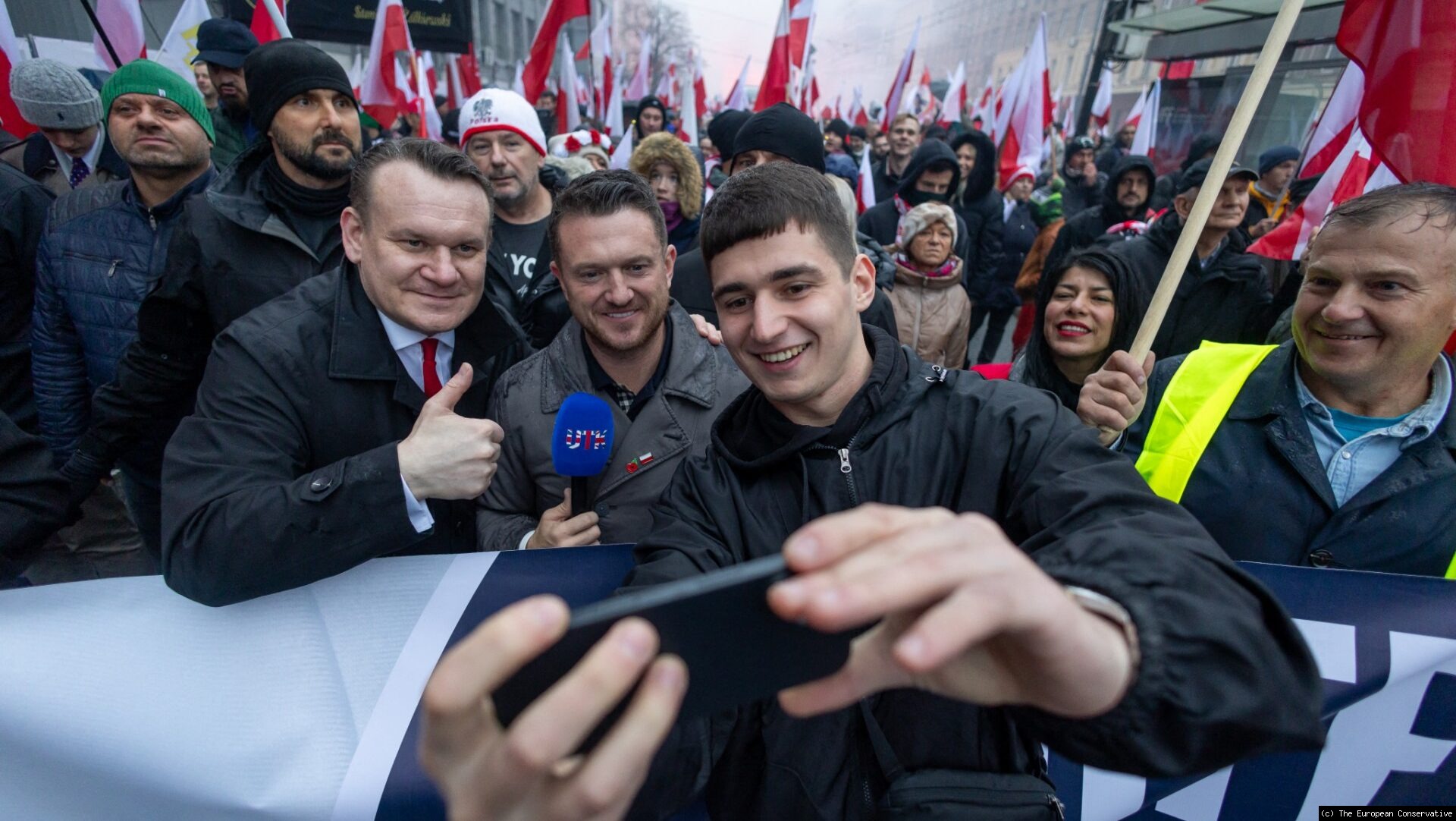
Polish MEP Dominik Tarczyński was barred from entering the United Kingdom ahead of a Tommy Robinson rally, prompting accusations that the government is suppressing free speech rather than protecting it.

Dimitris Papafotis
Dimitris Papafotis Editor in Chief
MAY 23, 2026 AT 1:21 AM Updated: May 23, 2026 6:58 AM

As The European Conservative reports, Dominik Tarczyński, a member of Poland’s Law and Justice party and ECR member of the European Parliament, was barred from entering the United Kingdom ahead of the Unite the Kingdom rally organised by Tommy Robinson. The incident has triggered accusations that the government is undermining the very freedoms it claims to protect.

The ECR group issued a sharp rebuke on social media, stating that “you don’t protect free speech by silencing the people you disagree with.” The party challenged the government’s stated rationale for the visa revocation, suggesting the decision contradicts Britain’s commitment to open debate and democratic discourse.

Tarczyński has indicated he intends to pursue legal proceedings against Prime Minister Keir Starmer over the travel ban. He joins several other right-wing commentators and activists who faced similar restrictions in connection with the London gathering.

Home Office Takes Broader Action

The UK Home Office confirmed that seven individuals total had their electronic travel authorisations either revoked or rejected. Home Secretary Shabana Mahmood justified the measure by asserting their presence would not be “conducive to the public good.”

The decision raises questions about where authorities draw the line between legitimate security concerns and suppression of lawful political expression—a tension at the heart of contemporary British governance.

With information from The European Conservative

Share:
Dimitris Papafotis
Dimitris Papafotis

Dimitris Papafotis is the editor-in-chief of NewsFire.GR. He was born and raised in Athens. He studied at the Journalism Workshop (1991-1993). He currently lives in Pyrgos, Ilia, where he has been active in radio and various newspapers, while also maintaining his personal blog, Papafotis.gr.

As The European Conservative reports, Dominik Tarczyński, a member of Poland’s Law and Justice party and ECR member of the European Parliament, was barred from entering the United Kingdom ahead of the Unite the Kingdom rally organised by Tommy Robinson. The incident has triggered accusations that the government is undermining the very freedoms it claims to protect.

The ECR group issued a sharp rebuke on social media, stating that “you don’t protect free speech by silencing the people you disagree with.” The party challenged the government’s stated rationale for the visa revocation, suggesting the decision contradicts Britain’s commitment to open debate and democratic discourse.

Tarczyński has indicated he intends to pursue legal proceedings against Prime Minister Keir Starmer over the travel ban. He joins several other right-wing commentators and activists who faced similar restrictions in connection with the London gathering.

Home Office Takes Broader Action

The UK Home Office confirmed that seven individuals total had their electronic travel authorisations either revoked or rejected. Home Secretary Shabana Mahmood justified the measure by asserting their presence would not be “conducive to the public good.”

The decision raises questions about where authorities draw the line between legitimate security concerns and suppression of lawful political expression—a tension at the heart of contemporary British governance.

With information from The European Conservative

