
Turkey’s Erdogan Unfit for F-35 Fighter Jets Program
Trump's administration faces pressure to approve Turkey military sales, with jet engines posing fewer risks than F-35 fighters blocked since Ankara's 2017 Russian S-400 purchase.
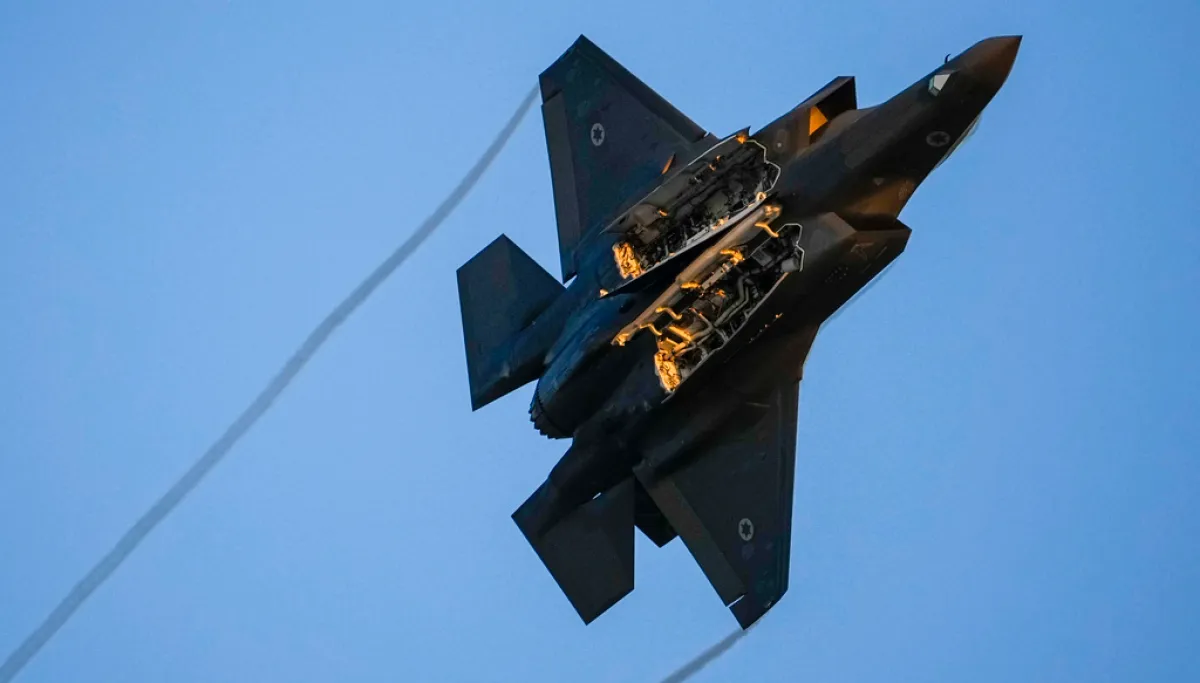

According to Washington Examiner, Trump indicated Wednesday that Turkish President Recep Tayyip Erdogan is a strong member of NATO and that he would probably do something to make the Turkish leader very happy. The statement came amid discussions of a $700 million deal for jet aircraft engines and the more controversial possibility of selling F-35 stealth fighters to Ankara.



The distinction between these two potential sales matters enormously. While jet engines for Turkey’s domestic Kaan fighter program could strengthen military ties without compromising American strategic advantages, F-35 sales would trigger serious opposition from Congress, the Pentagon, and key American allies.
Turkey’s Complicated Alliance Status
Turkey remains a NATO member, and the United States maintains obligations to consider requests from allied nations. Providing jet engines for Turkish-manufactured Kaan fighters would demonstrate Washington’s commitment to military-to-military cooperation while encouraging Ankara to support rather than undermine NATO cohesion and stability in the eastern Mediterranean.
Regional powers including Israel and Greece would oppose even the jet engine sale, as Washington Examiner reports. However, their own possession or pending acquisition of F-35 aircraft ensures continued air warfare superiority over Turkey—a critical balance given Erdogan’s hostility toward Israel, ambitions to rival Iran as a regional power, and ongoing territorial provocations against Greece.
The S-400 Problem
The fundamental obstacle to F-35 sales remains Turkey’s 2017 purchase of Russia’s S-400 air defense system—a decision that represented betrayal of NATO allies and American trust. Operating S-400 systems alongside F-35 fighters would grant Moscow access to invaluable intelligence on the stealth fighter’s electronic and radar signatures.
Russia could exploit this knowledge directly or share it with China, Iran, or North Korea to develop more effective targeting systems against F-35s in future conflicts. This scenario threatens American aircrews and undermines war planning across multiple theaters.
A History of Bad Faith
Erdogan has transformed Turkey from a dynamic democracy and economic powerhouse into what critics describe as an Islamist authoritarian fiefdom. He has imprisoned political opponents on fabricated charges, crushed free speech, and enabled widespread corruption.
His treatment of the United States reflects contempt rather than partnership. During a May 2017 Washington visit, Erdogan ordered his bodyguards to attack peaceful protesters outside the Turkish Embassy. He held American citizens including Pastor Andrew Brunson as political hostages, releasing them only when the first Trump administration imposed sanctions.
Congressional Opposition Expected
Vice President JD Vance confirmed Wednesday that the Pentagon is working through legal and bureaucratic questions surrounding potential F-35 sales to Turkey. However, existing legislation aims to prevent such sales as long as Ankara retains the S-400 system.
House Armed Services Committee Chairman Rep. Mike Rogers of Alabama and Senate Armed Services Committee Chairman Sen. Roger Wicker of Mississippi face pressure to resist any arrangement that compromises American security. Bipartisan support exists for blocking F-35 transfers that could jeopardize American military advantages.
Strategic Risks Beyond Turkey
Selling advanced stealth fighters to Erdogan without requiring S-400 removal would signal weakness in American negotiating posture. Greece, Israel, and other regional partners would fear Turkey might deploy fifth-generation aircraft against them once Trump leaves office or bilateral relations deteriorate.
The decision ultimately presents a choice between accommodating an unpredictable, frequently anti-American ally and protecting genuine American security interests alongside more reliable partners. The jet engine sale offers a middle path—maintaining NATO cooperation without surrendering critical military-technical advantages that protect American lives and strategic objectives.
With information from Washington Examiner





