Necessary Cookies

Required for the site to function. Cannot be disabled.

Analytics Cookies

Help us understand how visitors interact with our site (Google Analytics via GTM).

Marketing Cookies

Used to track visitors and deliver personalised advertisements.

We use cookies to enhance your browsing experience and analyse site traffic. By clicking Accept All, you consent to our use of cookies. Privacy Policy
NewsFire Global
Home News Europe World Christianity Culture Wars Opinion Video
Information
About Us Authors Advertising Terms & Conditions Privacy Policy Contact
R2B Media
R2B NEWSFIRE.GR PAPAFOTIS.GR THRACTION HELLENIC CONSERVATIVES RIGHT2THEBONE YT
News Europe

Turkey Plans Seismic Surveys for Cyprus Gas Pipeline

Turkey has issued notice for seismic surveys on a proposed natural gas pipeline to occupied northern Cyprus, drawing condemnation from the EU and the Republic of Cyprus.

Dimitris Papafotis
Dimitris Papafotis Editor in Chief
JULY 22, 2026 AT 1:38 PM

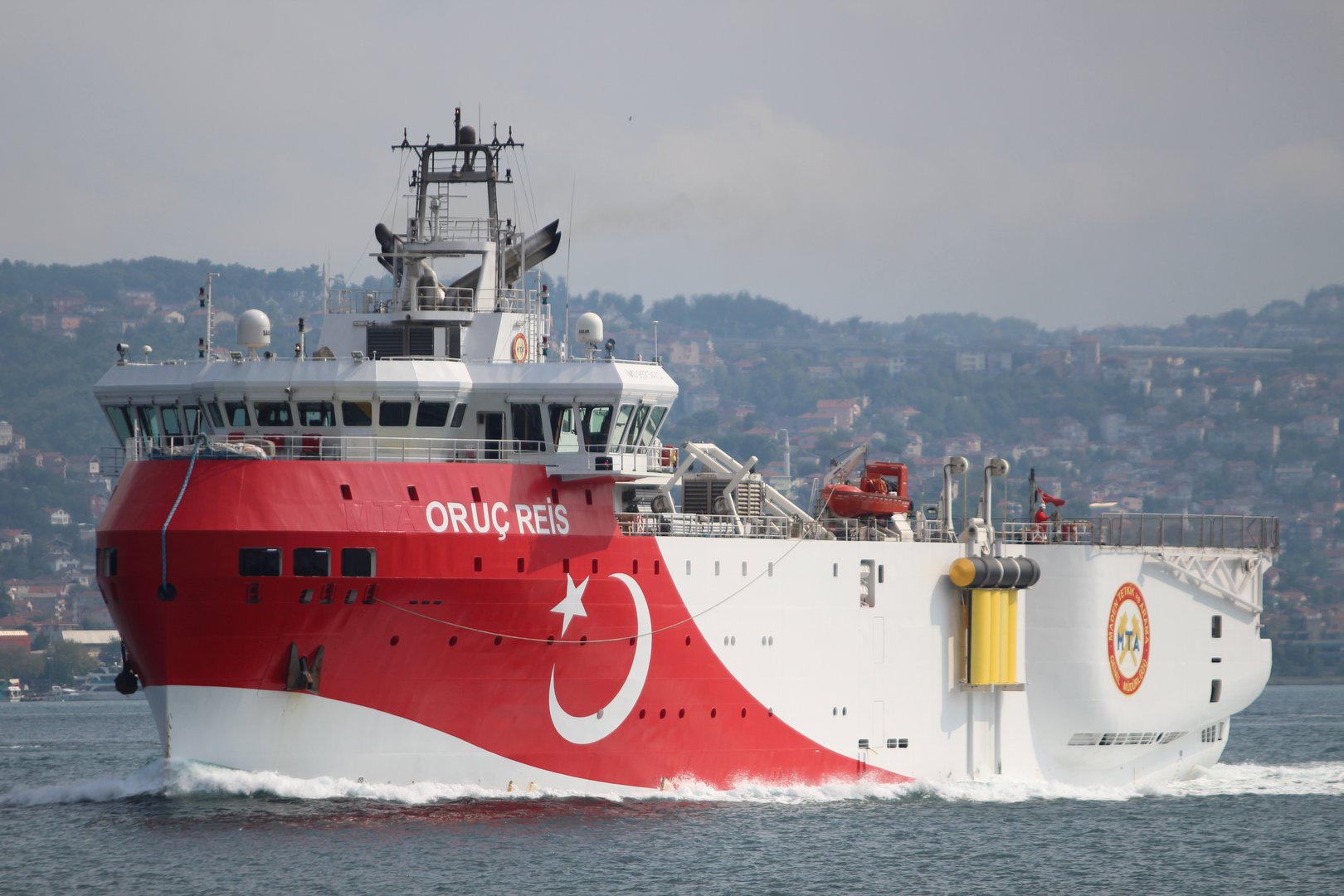
According to Tom Cleaver writing in Cyprus Mail, the Turkish government on Wednesday released a navtex alert informing maritime traffic that the research vessel Oruc Reis will conduct surveys along the planned pipeline route through August 30. Authorities in the Turkish Pseudostate in Northern Cyprus have indicated the pipeline could be operational by 2028.

The infrastructure project stems from a memorandum of understanding signed July 10 by Turkish and Turkish Cypriot occupation authorities. Turkish Vice President Cevdet Yilmaz characterized the agreement as a “historic turning point” in cooperation between Turkey and the occupied territories.

Unal Ustel, the so-called prime minister of the Turkish Pseudostate, framed the project in generational terms, stating it would leave “a stronger, more sustainable and more competitive country” for future inhabitants. He added that the agreement sent “a strong message to the eastern Mediterranean” about Turkish Cypriot presence and sovereignty claims in the region, backed by what he termed Turkey’s security guarantee.

Technical Specifications and Strategic Design

Turkish Energy Minister Alparslan Bayraktar outlined the pipeline’s technical parameters, describing a system extending from Anamur in Turkey’s Mersin province to the Teknecik power station near Kyrenia in occupied Cyprus. The project will actually comprise two parallel pipelines, each 56 centimeters in diameter, creating a bidirectional system capable of transporting natural gas in both directions between Turkey and Cyprus.

The total pipeline length will span 101 kilometers, with 97 kilometers running beneath the Levantine Sea. Anamur sits between Mersin and Alanya, where work is already underway to establish natural gas pipeline connections between those Turkish cities.

International Pushback and Sovereignty Concerns

The pipeline initiative has triggered immediate diplomatic opposition from both the Republic of Cyprus and European Union leadership. EU foreign policy chief Kaja Kallas publicly called on Turkey to respect Cyprus’s sovereignty following a meeting of the bloc’s 27 foreign ministers last week.

The Cypriot foreign ministry declared the memorandum illegal within hours of its signing, characterizing it as another manifestation of Turkey’s revisionist agenda in the eastern Mediterranean. The ministry statement emphasized that the agreement was signed during Yilmaz’s illegal visit to occupied territories and represents ongoing efforts to consolidate the facts on the ground created by Turkey’s occupation and further integrate the occupied areas with Turkey itself.

The energy infrastructure project adds another layer of complexity to long-standing disputes over energy resources and territorial rights in the eastern Mediterranean, where Turkey has repeatedly challenged the Republic of Cyprus’s exclusive economic zone and exploration activities.

With information from Cyprus Mail

Share:
Dimitris Papafotis
Dimitris Papafotis

Dimitris Papafotis is the editor-in-chief of NewsFire.GR. He was born and raised in Athens. He studied at the Journalism Workshop (1991-1993). He currently lives in Pyrgos, Ilia, where he has been active in radio and various newspapers, while also maintaining his personal blog, Papafotis.gr.

According to Tom Cleaver writing in Cyprus Mail, the Turkish government on Wednesday released a navtex alert informing maritime traffic that the research vessel Oruc Reis will conduct surveys along the planned pipeline route through August 30. Authorities in the Turkish Pseudostate in Northern Cyprus have indicated the pipeline could be operational by 2028.

The infrastructure project stems from a memorandum of understanding signed July 10 by Turkish and Turkish Cypriot occupation authorities. Turkish Vice President Cevdet Yilmaz characterized the agreement as a “historic turning point” in cooperation between Turkey and the occupied territories.

Unal Ustel, the so-called prime minister of the Turkish Pseudostate, framed the project in generational terms, stating it would leave “a stronger, more sustainable and more competitive country” for future inhabitants. He added that the agreement sent “a strong message to the eastern Mediterranean” about Turkish Cypriot presence and sovereignty claims in the region, backed by what he termed Turkey’s security guarantee.

Technical Specifications and Strategic Design

Turkish Energy Minister Alparslan Bayraktar outlined the pipeline’s technical parameters, describing a system extending from Anamur in Turkey’s Mersin province to the Teknecik power station near Kyrenia in occupied Cyprus. The project will actually comprise two parallel pipelines, each 56 centimeters in diameter, creating a bidirectional system capable of transporting natural gas in both directions between Turkey and Cyprus.

The total pipeline length will span 101 kilometers, with 97 kilometers running beneath the Levantine Sea. Anamur sits between Mersin and Alanya, where work is already underway to establish natural gas pipeline connections between those Turkish cities.

International Pushback and Sovereignty Concerns

The pipeline initiative has triggered immediate diplomatic opposition from both the Republic of Cyprus and European Union leadership. EU foreign policy chief Kaja Kallas publicly called on Turkey to respect Cyprus’s sovereignty following a meeting of the bloc’s 27 foreign ministers last week.

The Cypriot foreign ministry declared the memorandum illegal within hours of its signing, characterizing it as another manifestation of Turkey’s revisionist agenda in the eastern Mediterranean. The ministry statement emphasized that the agreement was signed during Yilmaz’s illegal visit to occupied territories and represents ongoing efforts to consolidate the facts on the ground created by Turkey’s occupation and further integrate the occupied areas with Turkey itself.

The energy infrastructure project adds another layer of complexity to long-standing disputes over energy resources and territorial rights in the eastern Mediterranean, where Turkey has repeatedly challenged the Republic of Cyprus’s exclusive economic zone and exploration activities.

With information from Cyprus Mail

