Necessary Cookies

Required for the site to function. Cannot be disabled.

Analytics Cookies

Help us understand how visitors interact with our site (Google Analytics via GTM).

Marketing Cookies

Used to track visitors and deliver personalised advertisements.

We use cookies to enhance your browsing experience and analyse site traffic. By clicking Accept All, you consent to our use of cookies. Privacy Policy
NewsFire Global
Home News Europe World Christianity Culture Wars Opinion Video
Information
About Us Authors Advertising Terms & Conditions Privacy Policy Contact
R2B Media
R2B NEWSFIRE.GR PAPAFOTIS.GR THRACTION HELLENIC CONSERVATIVES RIGHT2THEBONE YT
News World

Trump’s Welcome Turn on Tehran Signals Tougher Stance

President Trump terminated the Iran ceasefire and authorized new military strikes after Iran exploited the agreement, calling its leaders "lying scum" at a NATO summit following U.S. attacks on 80 Iranian sites.

JULY 10, 2026 AT 8:59 PM

At the NATO summit in Turkey on July 8, Trump delivered scathing remarks about Iran’s leadership, branding them as lying scum and warning that the country is governed by violent extremists who would not hesitate to deploy nuclear weapons if they possessed them, according to Washington Examiner.
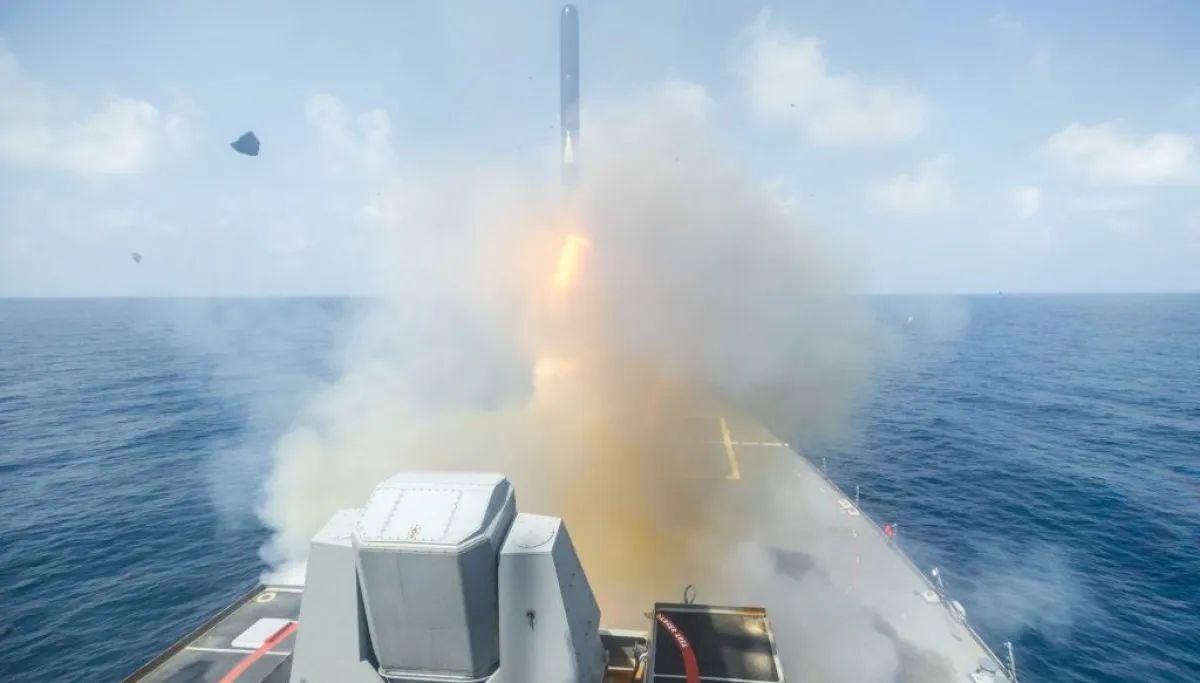
The night before Trump’s remarks, American forces launched offensive operations targeting more than 80 Iranian military and strategic sites with precision-guided munitions. U.S. Central Command characterized the action as an immediate response to Iran’s recent attacks on commercial shipping traversing the Strait of Hormuz.

Tehran retaliated by striking American military installations in the Gulf region. Mohammad Baqer Qalibaf, speaker of Iran’s Parliament and former Islamic Revolutionary Guard Corps commander, confirmed the ceasefire had collapsed and declared his government would not back down.

Trump signaled additional strikes were imminent and pledged to hit Iran with overwhelming force. The president repeated previous threats to target critical infrastructure at the highest level, specifically mentioning bridges and electrical generation facilities.

Trump told reporters at the NATO conference that Washington would eliminate those targets if necessary, and went further by threatening to seize Kharg Island, Iran’s primary oil processing installation.

The aggressive posture represents a dramatic policy shift from just three weeks earlier, when Trump had characterized Iranian leaders as rational actors who were not radicalized and were cooperative in negotiations.

Vice President JD Vance had initially praised the ceasefire arrangement as mutually beneficial and claimed it was already producing results by allowing petroleum shipments to move freely through the Strait of Hormuz. Vance framed the deal as a straightforward incentive structure based on rewarding compliance and punishing violations.

He had argued that if Tehran failed to modify its conduct, its military capabilities and nuclear program would face destruction, while behavioral changes would enable a transformed relationship with the Middle East.

The agreement reduced pressure on Tehran in return for commitments the regime had neither genuine intention nor meaningful motivation to honor.

Expecting the Islamic Republic to alter its fundamental behavior was always unrealistic. Anti-American sentiment and antisemitism are not negotiating tactics for Tehran but foundational elements of the regime’s ideological identity.

Since its violent establishment in 1979, the regime has maintained its “Death to America” chant, and its actions have consistently demonstrated those words carry deadly intent.

For nearly five decades, the Islamic Republic has kidnapped, tortured, and killed Americans while its proxy forces have spread violence and chaos across multiple continents.

Secretary of State Marco Rubio stated in February that Iran remains the single greatest source of instability in the Middle East.

Operation Epic Fury successfully eliminated much of Iran’s senior political and military leadership and severely damaged its defense industrial infrastructure. The combined U.S.-Israeli military campaign substantially weakened Iran’s power projection capabilities, though it did not break the regime’s determination to maintain its grip on power.

By seizing control of the Strait of Hormuz, Iran compelled the United States to enter negotiations. Trump defended the original deal by arguing that the alternative would have been a global economic recession, claiming the strait would have remained closed without the agreement.

However, the deal effectively left Iran in control of the waterway while counting on behavioral reform. By providing immediate sanctions relief through oil export waivers, Washington surrendered negotiating leverage from the outset.

The Trump administration’s choice to implement an early ceasefire on April 7, merely 38 days after hostilities began, has been exposed as an error in judgment. Equally problematic was the decision to repeatedly extend the ceasefire while ignoring repeated Iranian violations.

Trump’s attempts to coerce Iranian compliance through repeated threats against critical infrastructure followed by failures to follow through similarly undermined American deterrence credibility.

Iran has assessed American determination and concluded it is insufficient.

Consequently, the Trump administration must now invest considerably more effort to reclaim the strategic initiative and demonstrate to Tehran that American warnings carry genuine consequences. Washington cannot afford additional hollow threats about infrastructure targets, nor can it maintain the pretense that Iran will negotiate honestly.

The collapse of this ill-conceived deal is both welcome and unsurprising. But the difficult path forward is the cost of having ceded the initiative to a regime that never intended to change its nature.

With information from Washington Examiner

Share:
Eleni Papadaki-Van Der Merwe

She was born in 1986 in Johannesburg, South Africa. She is the granddaughter of an immigrant from Crete who settled in the Greek community of Johannesburg (one of the largest in Africa). She holds a bachelor’s degree in International Relations and Political Science from the University of the Witwatersrand (Wits) in Johannesburg and a master’s degree in Journalism from Rhodes University in Grahamstown. She began her career at English-language media outlets in Johannesburg, covering politics and economics, with a focus on issues related to migration and the diaspora. She moved to Athens in 2015 to “return to her roots,” initially to pursue graduate studies, and has remained there permanently. She is married to an Afrikaner; they have two children and live in the southern suburbs of Athens.

At the NATO summit in Turkey on July 8, Trump delivered scathing remarks about Iran’s leadership, branding them as lying scum and warning that the country is governed by violent extremists who would not hesitate to deploy nuclear weapons if they possessed them, according to Washington Examiner.

The night before Trump’s remarks, American forces launched offensive operations targeting more than 80 Iranian military and strategic sites with precision-guided munitions. U.S. Central Command characterized the action as an immediate response to Iran’s recent attacks on commercial shipping traversing the Strait of Hormuz.

Tehran retaliated by striking American military installations in the Gulf region. Mohammad Baqer Qalibaf, speaker of Iran’s Parliament and former Islamic Revolutionary Guard Corps commander, confirmed the ceasefire had collapsed and declared his government would not back down.

Trump signaled additional strikes were imminent and pledged to hit Iran with overwhelming force. The president repeated previous threats to target critical infrastructure at the highest level, specifically mentioning bridges and electrical generation facilities.

Trump told reporters at the NATO conference that Washington would eliminate those targets if necessary, and went further by threatening to seize Kharg Island, Iran’s primary oil processing installation.

The aggressive posture represents a dramatic policy shift from just three weeks earlier, when Trump had characterized Iranian leaders as rational actors who were not radicalized and were cooperative in negotiations.

Vice President JD Vance had initially praised the ceasefire arrangement as mutually beneficial and claimed it was already producing results by allowing petroleum shipments to move freely through the Strait of Hormuz. Vance framed the deal as a straightforward incentive structure based on rewarding compliance and punishing violations.

He had argued that if Tehran failed to modify its conduct, its military capabilities and nuclear program would face destruction, while behavioral changes would enable a transformed relationship with the Middle East.

The agreement reduced pressure on Tehran in return for commitments the regime had neither genuine intention nor meaningful motivation to honor.

Expecting the Islamic Republic to alter its fundamental behavior was always unrealistic. Anti-American sentiment and antisemitism are not negotiating tactics for Tehran but foundational elements of the regime’s ideological identity.

Since its violent establishment in 1979, the regime has maintained its “Death to America” chant, and its actions have consistently demonstrated those words carry deadly intent.

For nearly five decades, the Islamic Republic has kidnapped, tortured, and killed Americans while its proxy forces have spread violence and chaos across multiple continents.

Secretary of State Marco Rubio stated in February that Iran remains the single greatest source of instability in the Middle East.

Operation Epic Fury successfully eliminated much of Iran’s senior political and military leadership and severely damaged its defense industrial infrastructure. The combined U.S.-Israeli military campaign substantially weakened Iran’s power projection capabilities, though it did not break the regime’s determination to maintain its grip on power.

By seizing control of the Strait of Hormuz, Iran compelled the United States to enter negotiations. Trump defended the original deal by arguing that the alternative would have been a global economic recession, claiming the strait would have remained closed without the agreement.

However, the deal effectively left Iran in control of the waterway while counting on behavioral reform. By providing immediate sanctions relief through oil export waivers, Washington surrendered negotiating leverage from the outset.

The Trump administration’s choice to implement an early ceasefire on April 7, merely 38 days after hostilities began, has been exposed as an error in judgment. Equally problematic was the decision to repeatedly extend the ceasefire while ignoring repeated Iranian violations.

Trump’s attempts to coerce Iranian compliance through repeated threats against critical infrastructure followed by failures to follow through similarly undermined American deterrence credibility.

Iran has assessed American determination and concluded it is insufficient.

Consequently, the Trump administration must now invest considerably more effort to reclaim the strategic initiative and demonstrate to Tehran that American warnings carry genuine consequences. Washington cannot afford additional hollow threats about infrastructure targets, nor can it maintain the pretense that Iran will negotiate honestly.

The collapse of this ill-conceived deal is both welcome and unsurprising. But the difficult path forward is the cost of having ceded the initiative to a regime that never intended to change its nature.

With information from Washington Examiner


