Necessary Cookies

Required for the site to function. Cannot be disabled.

Analytics Cookies

Help us understand how visitors interact with our site (Google Analytics via GTM).

Marketing Cookies

Used to track visitors and deliver personalised advertisements.

We use cookies to enhance your browsing experience and analyse site traffic. By clicking Accept All, you consent to our use of cookies. Privacy Policy
NewsFire Global
Home News Europe World Christianity Culture Wars Opinion Video
Information
About Us Authors Advertising Terms & Conditions Privacy Policy Contact
R2B Media
R2B NEWSFIRE.GR PAPAFOTIS.GR THRACTION HELLENIC CONSERVATIVES RIGHT2THEBONE YT
News Christianity

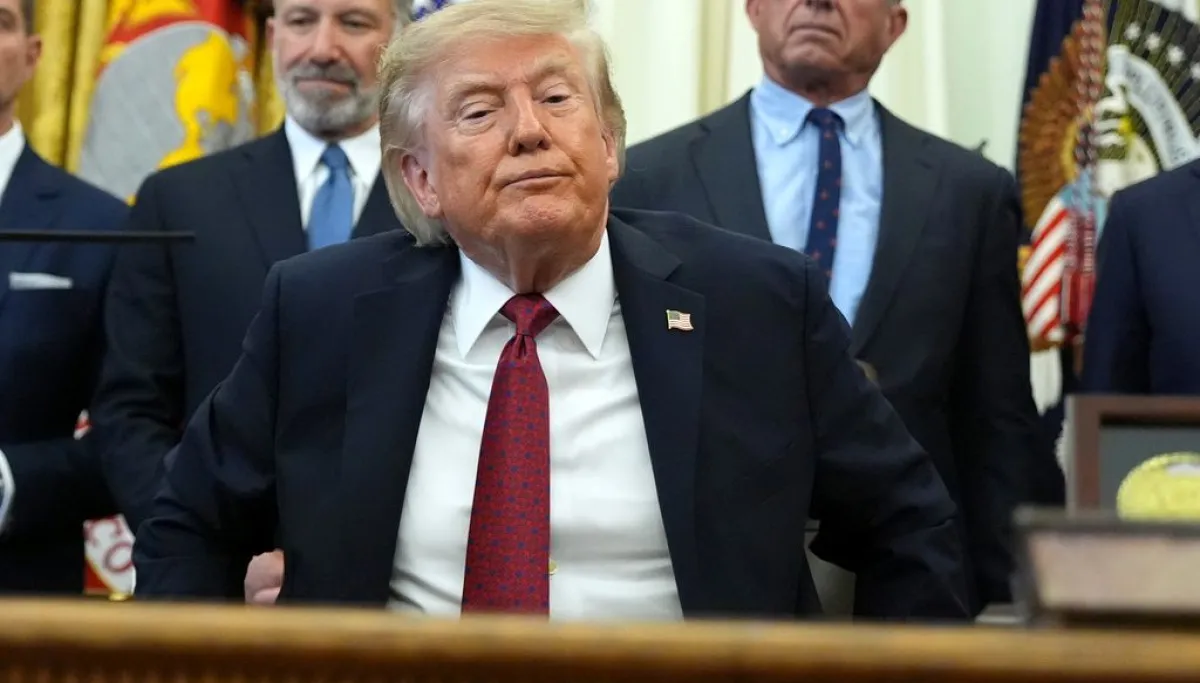
Trump Defends Christians But Falls Short on Key Issue

The Trump administration has halted Christian refugee resettlement from the world's most dangerous regions, dropping admissions from 29,478 in 2024 to zero in 2026 despite rising global persecution.
Stefanos Banos
Stefanos Banos Staff Writer
SEPTEMBER 3, 2026 AT 8:49 PM

For the first time in over twenty-five years, not a single Christian refugee has been admitted from any of the fifty countries where believers face the most severe persecution, according to a recent report by Christian persecution watchdog Open Doors US.

The data reveals a dramatic shift from 2024, when 29,478 Christian refugees were resettled from nations on the Open Doors World Watch List, including Afghanistan, Burma, Iran, and the Democratic Republic of Congo. In 2026, that number has fallen to zero.

Rising Global Persecution

The shutout comes as Christian persecution reaches unprecedented levels worldwide. Approximately one in seven Christians globally, roughly 388 million people, now face risk of persecution or discrimination. Nearly 5,000 Christians were killed last year, more than 3,500 churches were destroyed, and hundreds of thousands were forced to flee their homes due to religious persecution.

Moore, a stalwart Trump supporter, acknowledges the president’s strong record defending Christianity domestically and internationally. The administration has reversed gender ideology policies affecting women’s sports and children, affirmed protections for unborn life that enabled the end of Roe v. Wade, established commissions on religious liberty and anti-Christian bias, and taken action against Christian persecution in Nigeria.

First Term Contrast

The current policy stands in stark contrast to Trump’s first administration. In 2019, Trump became the first president to prioritize refugee resettlement for individuals persecuted on account of religion in the annual presidential determination. He called other nations to account for religious liberty violations and pledged persecuted believers would always have a place in America.

This year’s presidential determination prioritized only one population from a country not facing religious persecution, effectively shutting out persecuted Christians entirely.

Political Ramifications

The shift presents potential electoral consequences for Republicans ahead of the midterm elections. Trump’s approval rating among evangelicals has dropped to just 52 percent, with most indicating the administration’s immigration policies conflict with their Christian values.

Moore emphasizes this decline is not driven by border security measures or deportation of violent criminals, which nearly all evangelicals support, but by the puzzling shutdown of legal immigration pathways for persecuted Christians.

Polling from the Southern Baptist Convention’s Lifeway Research shows four out of five pastors believe America has a moral responsibility to receive refugees, with only 2 percent supporting zero admissions. Among evangelical pastors, 87 percent identified Christians persecuted for their faith as the top refugee priority.

October Deadline Approaching

The president must set the annual refugee ceiling for 2027 by October 1, before the midterm elections. Moore urges Trump to return to his first-term approach and designate victims of religious persecution as the top priority for refugee admissions, warning that failure to do so could significantly depress evangelical turnout in November.

The situation represents what Moore characterizes as a confusing inconsistency in an otherwise robust defense of Christianity, one he attributes to misguided advisers rather than the president’s own instincts on protecting believers worldwide.

With information from Washington Examiner
Share:
Stefanos Banos
Stefanos Banos

Stefanos Banos was born in Piraeus and is an editor at NewsFire.GR, specializing in political analysis and international relations. He graduated from the Department of Communication and Media at the University of Bremen in Germany, where he also completed his Master of Arts in Communication and Media Studies. Married to Zoi, he is a proud father of three boys.

For the first time in over twenty-five years, not a single Christian refugee has been admitted from any of the fifty countries where believers face the most severe persecution, according to a recent report by Christian persecution watchdog Open Doors US.

The data reveals a dramatic shift from 2024, when 29,478 Christian refugees were resettled from nations on the Open Doors World Watch List, including Afghanistan, Burma, Iran, and the Democratic Republic of Congo. In 2026, that number has fallen to zero.

Rising Global Persecution

The shutout comes as Christian persecution reaches unprecedented levels worldwide. Approximately one in seven Christians globally, roughly 388 million people, now face risk of persecution or discrimination. Nearly 5,000 Christians were killed last year, more than 3,500 churches were destroyed, and hundreds of thousands were forced to flee their homes due to religious persecution.

Moore, a stalwart Trump supporter, acknowledges the president’s strong record defending Christianity domestically and internationally. The administration has reversed gender ideology policies affecting women’s sports and children, affirmed protections for unborn life that enabled the end of Roe v. Wade, established commissions on religious liberty and anti-Christian bias, and taken action against Christian persecution in Nigeria.

First Term Contrast

The current policy stands in stark contrast to Trump’s first administration. In 2019, Trump became the first president to prioritize refugee resettlement for individuals persecuted on account of religion in the annual presidential determination. He called other nations to account for religious liberty violations and pledged persecuted believers would always have a place in America.

This year’s presidential determination prioritized only one population from a country not facing religious persecution, effectively shutting out persecuted Christians entirely.

Political Ramifications

The shift presents potential electoral consequences for Republicans ahead of the midterm elections. Trump’s approval rating among evangelicals has dropped to just 52 percent, with most indicating the administration’s immigration policies conflict with their Christian values.

Moore emphasizes this decline is not driven by border security measures or deportation of violent criminals, which nearly all evangelicals support, but by the puzzling shutdown of legal immigration pathways for persecuted Christians.

Polling from the Southern Baptist Convention’s Lifeway Research shows four out of five pastors believe America has a moral responsibility to receive refugees, with only 2 percent supporting zero admissions. Among evangelical pastors, 87 percent identified Christians persecuted for their faith as the top refugee priority.

October Deadline Approaching

The president must set the annual refugee ceiling for 2027 by October 1, before the midterm elections. Moore urges Trump to return to his first-term approach and designate victims of religious persecution as the top priority for refugee admissions, warning that failure to do so could significantly depress evangelical turnout in November.

The situation represents what Moore characterizes as a confusing inconsistency in an otherwise robust defense of Christianity, one he attributes to misguided advisers rather than the president’s own instincts on protecting believers worldwide.

With information from Washington Examiner