Necessary Cookies

Required for the site to function. Cannot be disabled.

Analytics Cookies

Help us understand how visitors interact with our site (Google Analytics via GTM).

Marketing Cookies

Used to track visitors and deliver personalised advertisements.

We use cookies to enhance your browsing experience and analyse site traffic. By clicking Accept All, you consent to our use of cookies. Privacy Policy
NewsFire Global
Home News Europe World Christianity Culture Wars Opinion Video
Information
About Us Authors Advertising Terms & Conditions Privacy Policy Contact
R2B Media
R2B NEWSFIRE.GR PAPAFOTIS.GR THRACTION HELLENIC CONSERVATIVES RIGHT2THEBONE YT
News World

Trump Calls Off Iran Strikes For Now: “Get to Work and GET IT DONE”

President Trump announced he called off a planned major military strike against Iran, citing progress toward a diplomatic deal to reopen the Strait of Hormuz and end Tehran's nuclear program.
Stefanos Banos
Stefanos Banos Staff Writer
AUGUST 2, 2026 AT 4:30 PM

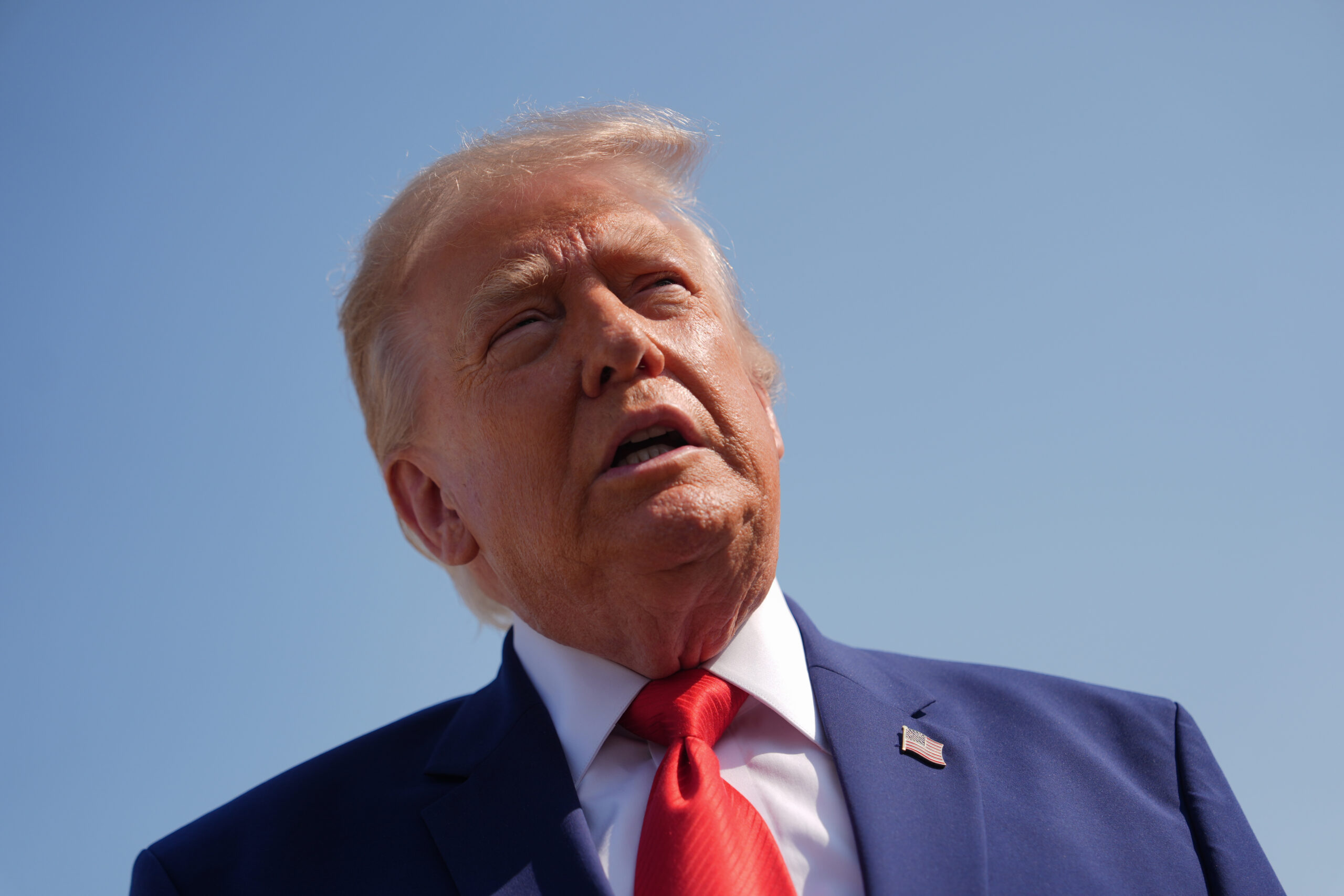
Trump announced the decision overnight on Truth Social, stating that the US military had been prepared to launch an attack of unprecedented scale, according to Nius. The president wrote that America’s armed forces stood ready to execute a strike not seen since World War II, but that Iran and other regional actors had requested he hold off due to emerging contours of a deal.

The proposed agreement would require the complete opening of the Strait of Hormuz and an end to Iran’s nuclear threat, Trump stated. He added that Israel would also commit to refraining from attacking Iran for the time being. In characteristic fashion, Trump concluded his post with a directive seemingly aimed at negotiators: get to work and get it done.
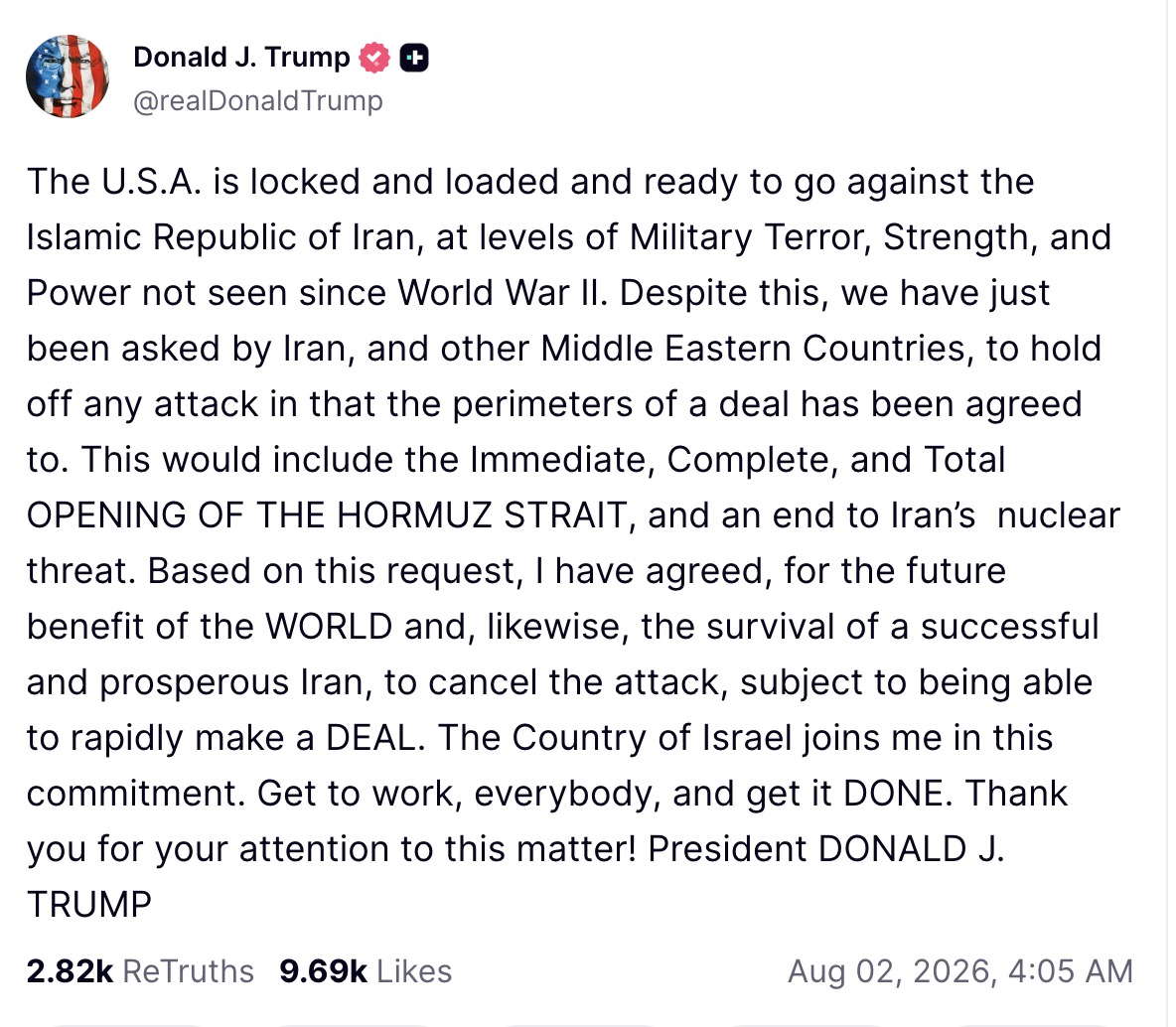
Photo: nius.de

The president provided no further details about the alleged diplomatic breakthrough. Neither Iran nor regional states reportedly involved in the talks immediately commented on Trump’s announcement.

Repeated Promises on Strait of Hormuz

This would not be the first time Trump has proclaimed a breakthrough that was subsequently disputed or failed to materialize, as Nius reports. The Strait of Hormuz was supposed to reopen for international shipping following a framework agreement signed with Iran in June. However, complete reopening never occurred. After an initial increase in maritime traffic through the waterway, renewed attacks have brought shipping nearly to a standstill.

The Strait of Hormuz holds critical importance for oil and gas exports from Persian Gulf states. Tehran has weaponized the de facto blockade, which drives up global energy prices, as leverage against Trump. Republicans face congressional midterm elections in just over three months, making high fuel prices particularly unwelcome.
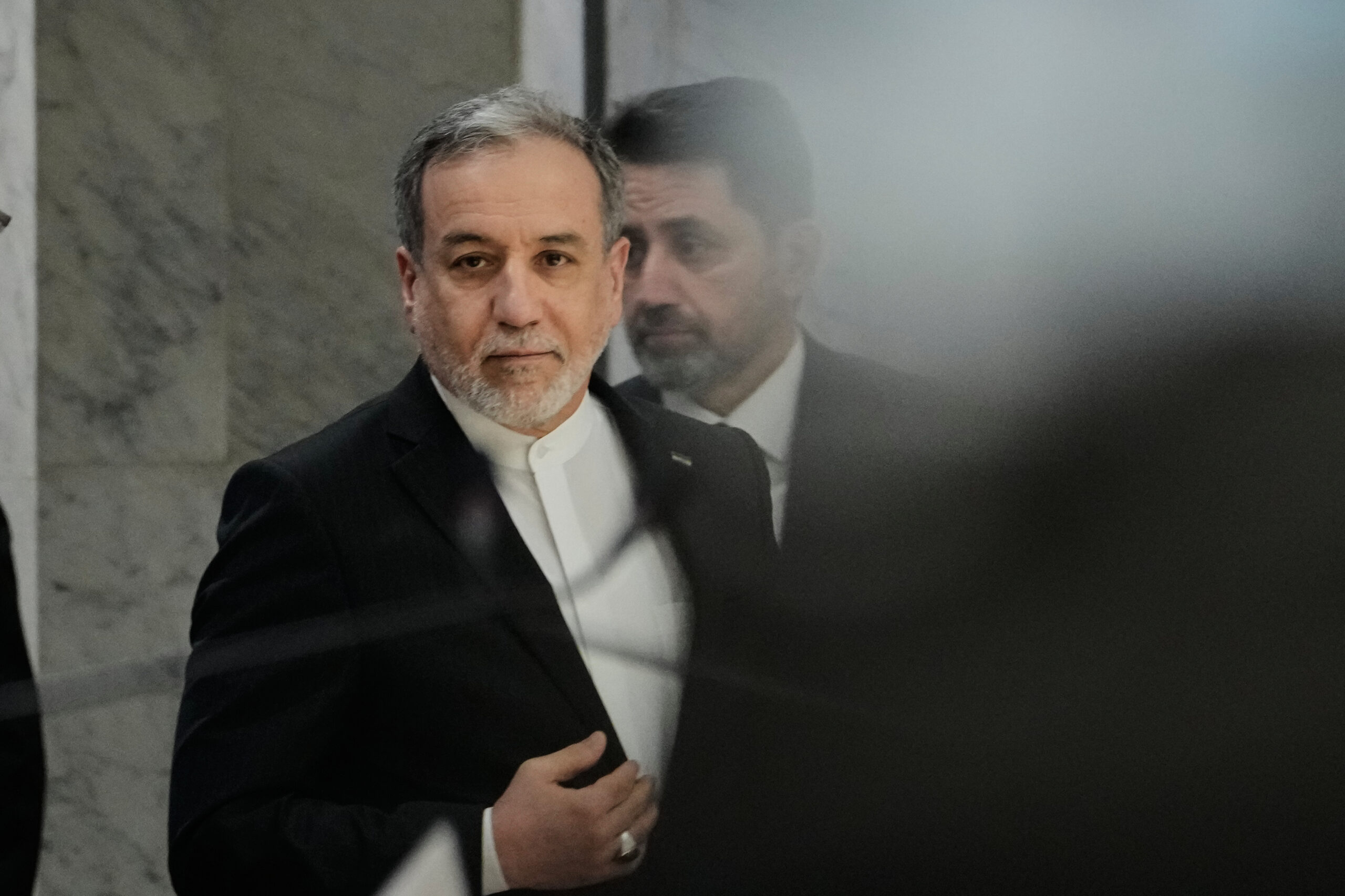
Irans Außenminister Abbas Araghtschi im Irak.
Photo: nius.de

In response, the US military has reimposed a naval blockade aimed at cutting Iran off from crude oil export revenues, which constitute the primary income source for Tehran’s Islamist regime.

Nuclear Dispute Remains Unresolved

The June framework agreement also called for continued negotiations on Iran’s atomic program. Israel, the United States, and several other nations accuse Iran of developing nuclear weapons, pointing to its uranium enrichment activities. Iran denies the charge and insists on its right to civilian nuclear energy use. Experts do not expect a rapid resolution to this dispute.

The alleged threat from Iran’s nuclear program was among the justifications Trump cited in late February for American-Israeli strikes against Iran. The president initially predicted the conflict would last only weeks. It has now entered its sixth month.

Iran Threatened Counterstrikes Before Planned Attack

Just Friday, Trump announced that the US would hit Iran very hard and that at some point they would be unable to withstand it. Consistent reports from US media outlets indicated an imminent large-scale assault on Iranian targets was planned, including attacks on the country’s energy infrastructure.
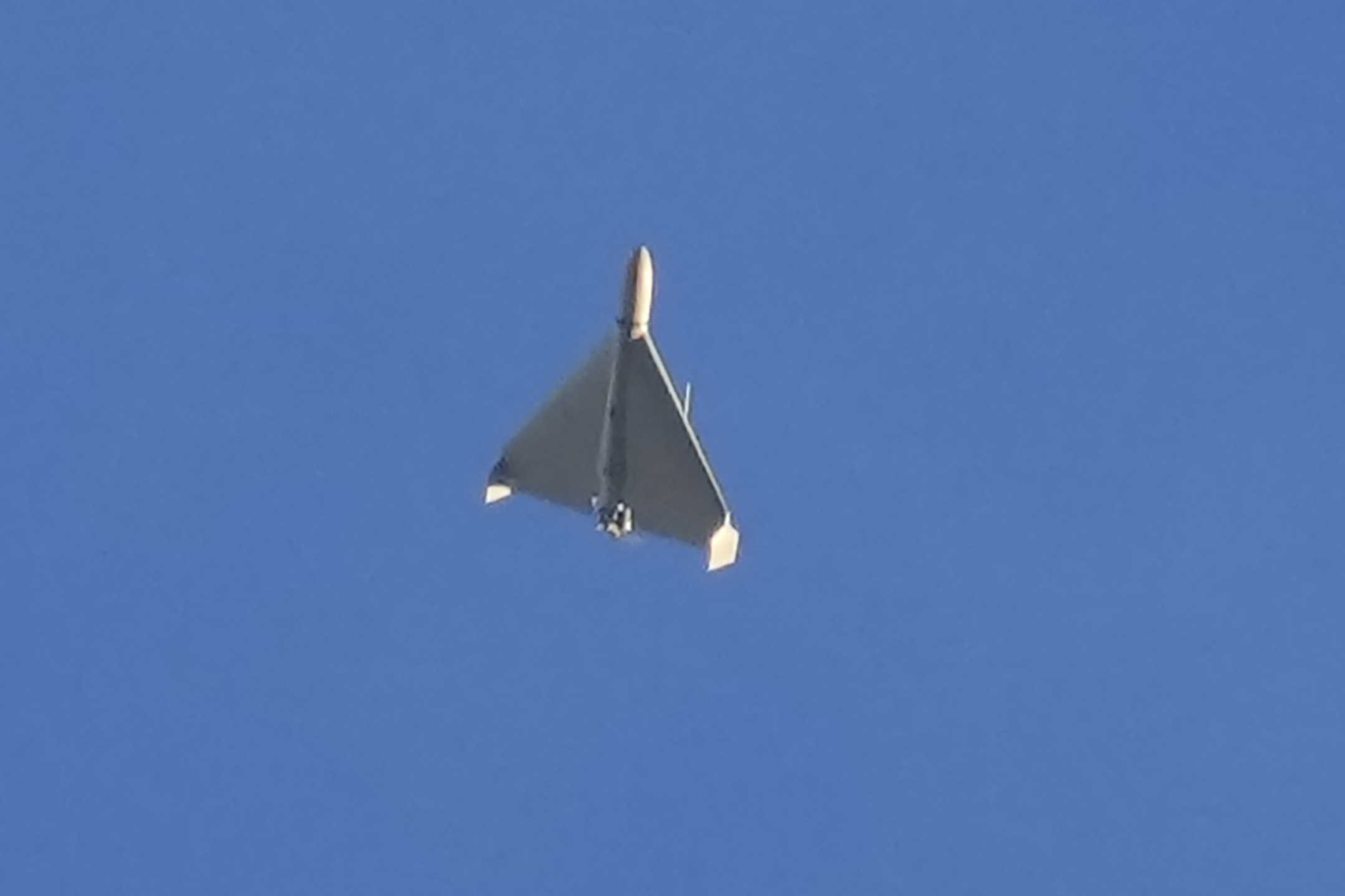
Kampfdrohnen sollen vorerst nicht zum Einsatz kommen.
Photo: nius.de

Tehran responded by threatening counterattacks on critical infrastructure in Israel and Gulf states. Since the conflict began, Iran has frequently retaliated against US strikes by hitting targets in Gulf nations where American military installations are located.

Iranian Foreign Minister Abbas Araghtschi warned Saturday in a conversation with his Saudi counterpart Faisal bin Farhan against further military escalation in the war with Washington. Araghtschi wrote on Telegram that his country’s formidable armed forces would respond decisively to any act of aggression. Should new attacks occur, the US, Israel, and participating Gulf states would bear full responsibility, he stated.

Saudi Arabia Urged Restraint

According to Axios, Saudi Crown Prince Mohammed bin Salman spoke with Trump on Saturday to express the Sunni kingdom’s concerns about the planned strike. The Saudis compete with Shia-dominated Iran for regional dominance. Citing US sources familiar with the conversation, Axios reported that the crown prince urged Trump to de-escalate.

With information from Nius
Share:
Stefanos Banos
Stefanos Banos

Stefanos Banos was born in Piraeus and is an editor at NewsFire.GR, specializing in political analysis and international relations. He graduated from the Department of Communication and Media at the University of Bremen in Germany, where he also completed his Master of Arts in Communication and Media Studies. Married to Zoi, he is a proud father of three boys.

Trump announced the decision overnight on Truth Social, stating that the US military had been prepared to launch an attack of unprecedented scale, according to Nius. The president wrote that America’s armed forces stood ready to execute a strike not seen since World War II, but that Iran and other regional actors had requested he hold off due to emerging contours of a deal.

The proposed agreement would require the complete opening of the Strait of Hormuz and an end to Iran’s nuclear threat, Trump stated. He added that Israel would also commit to refraining from attacking Iran for the time being. In characteristic fashion, Trump concluded his post with a directive seemingly aimed at negotiators: get to work and get it done.

Photo: nius.de

The president provided no further details about the alleged diplomatic breakthrough. Neither Iran nor regional states reportedly involved in the talks immediately commented on Trump’s announcement.

Repeated Promises on Strait of Hormuz

This would not be the first time Trump has proclaimed a breakthrough that was subsequently disputed or failed to materialize, as Nius reports. The Strait of Hormuz was supposed to reopen for international shipping following a framework agreement signed with Iran in June. However, complete reopening never occurred. After an initial increase in maritime traffic through the waterway, renewed attacks have brought shipping nearly to a standstill.

The Strait of Hormuz holds critical importance for oil and gas exports from Persian Gulf states. Tehran has weaponized the de facto blockade, which drives up global energy prices, as leverage against Trump. Republicans face congressional midterm elections in just over three months, making high fuel prices particularly unwelcome.

Irans Außenminister Abbas Araghtschi im Irak.
Photo: nius.de

In response, the US military has reimposed a naval blockade aimed at cutting Iran off from crude oil export revenues, which constitute the primary income source for Tehran’s Islamist regime.

Nuclear Dispute Remains Unresolved

The June framework agreement also called for continued negotiations on Iran’s atomic program. Israel, the United States, and several other nations accuse Iran of developing nuclear weapons, pointing to its uranium enrichment activities. Iran denies the charge and insists on its right to civilian nuclear energy use. Experts do not expect a rapid resolution to this dispute.

The alleged threat from Iran’s nuclear program was among the justifications Trump cited in late February for American-Israeli strikes against Iran. The president initially predicted the conflict would last only weeks. It has now entered its sixth month.

Iran Threatened Counterstrikes Before Planned Attack

Just Friday, Trump announced that the US would hit Iran very hard and that at some point they would be unable to withstand it. Consistent reports from US media outlets indicated an imminent large-scale assault on Iranian targets was planned, including attacks on the country’s energy infrastructure.

Kampfdrohnen sollen vorerst nicht zum Einsatz kommen.
Photo: nius.de

Tehran responded by threatening counterattacks on critical infrastructure in Israel and Gulf states. Since the conflict began, Iran has frequently retaliated against US strikes by hitting targets in Gulf nations where American military installations are located.

Iranian Foreign Minister Abbas Araghtschi warned Saturday in a conversation with his Saudi counterpart Faisal bin Farhan against further military escalation in the war with Washington. Araghtschi wrote on Telegram that his country’s formidable armed forces would respond decisively to any act of aggression. Should new attacks occur, the US, Israel, and participating Gulf states would bear full responsibility, he stated.

Saudi Arabia Urged Restraint

According to Axios, Saudi Crown Prince Mohammed bin Salman spoke with Trump on Saturday to express the Sunni kingdom’s concerns about the planned strike. The Saudis compete with Shia-dominated Iran for regional dominance. Citing US sources familiar with the conversation, Axios reported that the crown prince urged Trump to de-escalate.

With information from Nius