Trump and Vance Promise Golden Age Amid Dark Warnings
Republicans face a messaging crisis as President Trump celebrates America's "greatest economy" while Vice President Vance describes economic despair, leaving voters confused ahead of midterm elections.
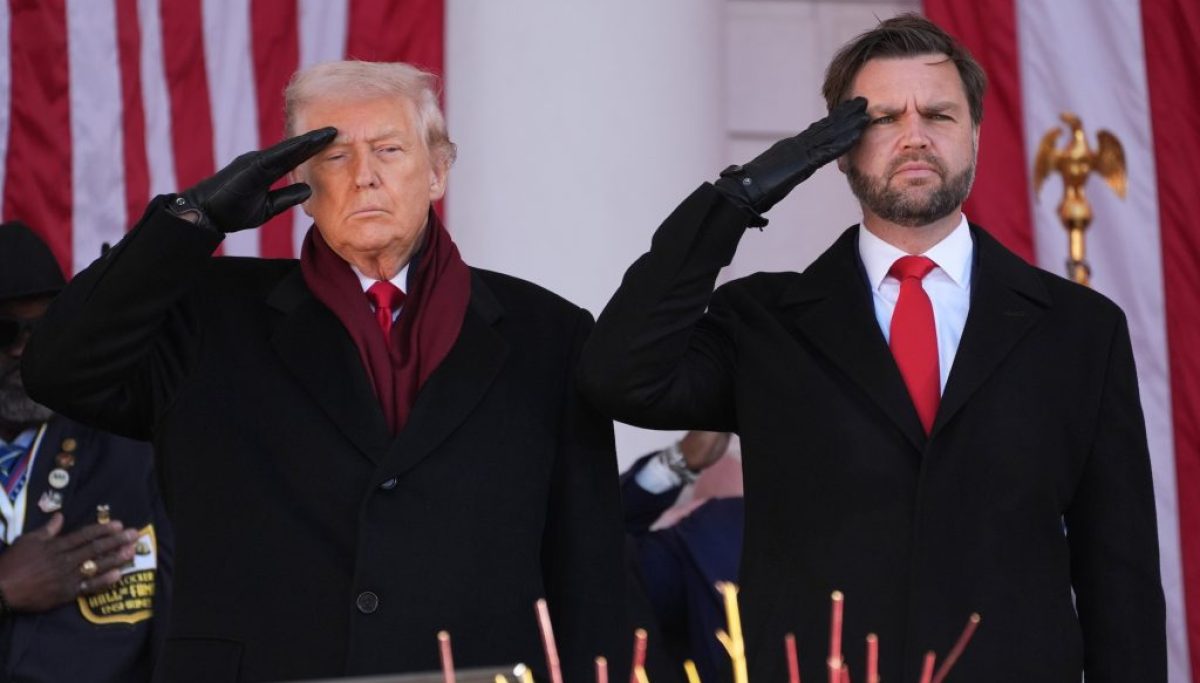

The Republican Party faces a messaging crisis as it approaches the midterm elections, with contrasting economic narratives from the White House creating confusion among voters and threatening to undermine the party’s electoral prospects.
As columnist Peter Laffin argues in Washington Examiner, the administration is caught between celebrating economic triumph and acknowledging ongoing hardship, with President Donald Trump and Vice President J.D. Vance delivering starkly different assessments of the nation’s economic condition.
Speaking in South Carolina last week, Trump declared America now possesses the greatest economy in its history, touting a manufacturing renaissance, exploding growth, and defeated inflation. The president claimed his administration has completely turned the country around in just 19 months.
Meanwhile, Vance painted a far bleaker picture during an address to workers in Middletown, Ohio. The vice president described a deindustrialized landscape where American factory workers face despair and students struggle with basic expenses.

Vance attempted to reconcile the divergent messages by attributing current difficulties to four decades of failed policy while crediting Trump’s approach as the foundation for long-term recovery. He acknowledged the road ahead remains challenging, stating the transformation will not happen overnight despite seeing trillions in new investment flowing into the American heartland over the past 18 months.
Mixed Messages Confuse Voters
The tonal dissonance between the two leaders creates a fundamental problem for Republican messaging. While Trump takes a victory lap on economic achievements, Vance asks voters to remain patient during an ongoing recovery process.
This contradictory approach leaves Republican voters struggling to articulate a coherent party position on the economy. A unified campaign message should be clear, compelling, and easily repeatable by supporters at all levels.
For the midterm campaign, Vance’s approach appears better suited to current public sentiment. Economic pessimism among voters demands acknowledgment rather than denial. Trump’s triumphalist rhetoric, combined with his focus on luxury buildings and renaming geographic features, risks appearing tone-deaf to working-class struggles.
Different Timelines, Different Goals
The messaging clash reflects fundamentally different political calendars. Trump seeks to preserve what remains of his second-term agenda, needing voters to believe in current economic success as Democrats threaten to bury his presidency in congressional oversight and investigations.
Vance, positioning himself as a potential successor in 2028, is effectively launching his own presidential campaign. His self-presentation as champion of forgotten workers conflicts with Trump’s claims of having already solved their problems.
The vice president faces a difficult balancing act. Trump’s support remains essential for any future nomination bid, but Vance cannot fully articulate his preferred narrative about representing hollowed-out industrial communities until Trump exits the political stage.
Electoral Consequences Loom
This internal Republican tension creates what amounts to a negative-sum game heading into November. Two competing narratives that cancel each other out leave the party vulnerable as Democrats mobilize.
Establishing message discipline on economic issues could limit potential electoral damage. However, this requires Trump to moderate his instinct to portray everything he touches as a completed success, while Vance must continue making his case without fully articulating it.
The inability to present a unified economic message threatens Republican prospects in what may prove a challenging midterm cycle for the party.
With information from Washington Examiner