Treasury Chief: US Nearing ‘Endgame’ With Iran Before Economic Showdown
Treasury Secretary Scott Bessent says the U.S. will impose sweeping sanctions on Iran starting Monday in what he calls the most powerful financial assault ever deployed against a hostile nation.
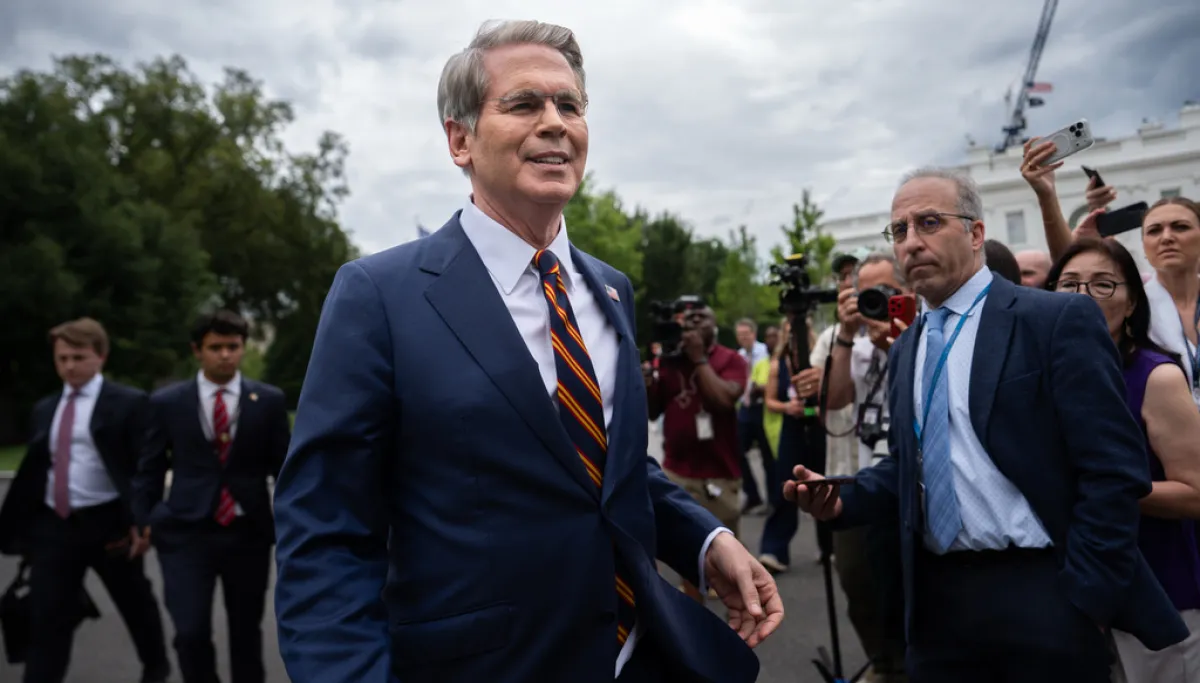

In an analysis published by the Financial Times, Scott Bessent outlined the White House strategy behind the incoming wave of economic measures designed to cripple Tehran’s already battered economy and cut the regime off from international commerce. President Donald Trump announced earlier this month that Washington would pivot from military operations toward economic warfare aimed at forcing Iran into complete financial isolation.
Bessent characterised the effort as the single greatest financial offensive ever marshaled against an adversary, signalling that the administration believes the conflict is approaching a decisive phase. Nations that choose to maintain commercial or financial ties with Tehran will face severe consequences, while those that comply with American demands will gain enhanced access to global markets and capital, according to the Treasury chief.

The economic pressure campaign will centre on secondary sanctions targeting countries that purchase Iranian oil or engage in business dealings with the Islamic Republic. Bessent is scheduled to unveil the full scope of the measures at a press conference Monday, though the broad outlines suggest an attempt to completely sever Iran from the international financial system.
According to Bessent, the Trump administration and American military power have already inflicted substantial damage on Iran’s defence capabilities while driving the nation’s economy to the brink. The Iranian rial has collapsed to historic lows, and inflation has surged to rates rarely seen even in the Islamic Republic’s turbulent economic history.
Countries that refuse to cooperate face stark warnings from Washington. Bessent wrote that nations serving as financial channels for Tehran should expect to share in its international isolation, adding that any state becoming a haven for what he called terror would be treated as a global pariah by the United States. Illicit finance networks will take root wherever confidence in legitimate institutions has collapsed, he cautioned.
The Treasury Secretary also referenced the ongoing blockade in the Strait of Hormuz, the strategic waterway that has become the flashpoint for military tensions and failed diplomatic efforts since the conflict erupted on February 28. Control of the strait, through which a significant portion of global energy supplies pass, remains a central issue in the standoff.
Congressional Republican leaders rallied behind the administration’s approach. House Speaker Mike Johnson said Sunday he believes America is entering a new phase in the confrontation, while Senate Majority Whip John Barrasso praised the White House strategy for applying maximum economic pressure without large-scale military deployment.
The coming sanctions regime represents Washington’s bet that financial strangulation can achieve what diplomacy and limited military action have not: forcing fundamental changes in Iranian behaviour or potentially destabilising the regime itself through economic collapse.
With information from Washington Examiner