
Trans inmate Liebich ordered to men’s prison after all
A convicted right-wing extremist who changed his legal gender identity was transferred from a women's prison to a men's facility in Germany after authorities deemed the move necessary for inmate safety.
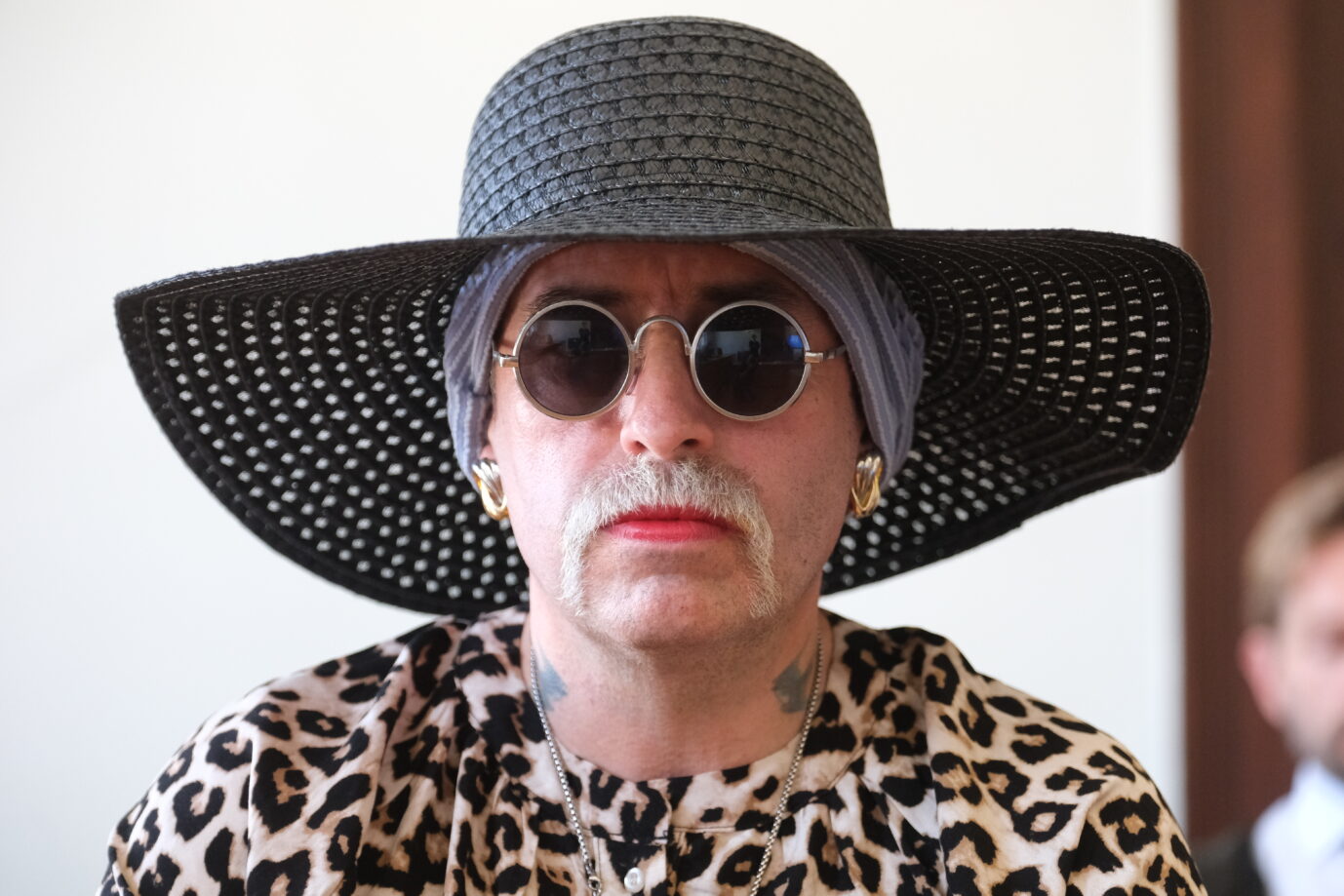

According to Junge Freiheit, Marla-Svenja Liebich was first brought to the women’s prison in Chemnitz following his extradition to Germany. However, prison administrators reversed that decision on the same day, transferring him instead to the Zeithain correctional facility in Meißen district.
The Saxon Ministry of Justice confirmed the transfer, stating that the decision was based on a conversation with Liebich and a medical examination. Officials said the assessment also took into account the safety of female inmates at the Chemnitz facility.
Saxony’s Justice Minister Constanze Geiert of the CDU welcomed the swift action. She stated that it was good the prison administration quickly established clarity and did not allow itself to be drawn into staged performances.
Criminal Conviction and Flight from Justice
Liebich was convicted in 2023 by the Halle District Court on charges of incitement to hatred, defamation, and insult. He received a sentence of one year and six months imprisonment without probation. He was scheduled to begin serving his sentence in August 2025 but instead fled the country. Czech authorities apprehended him in April.
During the period while he was evading justice, Liebich changed his legal gender registration from male to female and had the first name Marla-Svenja officially entered in government records.
Accusations of Self-Identification Law Abuse
Critics have characterized Liebich’s gender identity change as a deliberate abuse of Germany’s Self-Determination Act, which allows individuals to change their legal gender through a simplified administrative process. The Saalekreis district administration is now pursuing legal action to challenge and reverse the gender registration change.
The case has reignited debate in Germany over the potential for exploitation of self-identification legislation and the balance between transgender rights claims and public safety concerns in correctional settings.
With information from Junge Freiheit





