
Thuringia PM Voigt allegedly wrote Holocaust speech with AI
A transparency investigation found that speeches by Thuringia Minister President Mario Voigt, including a Holocaust memorial address, showed strong indicators of AI generation.
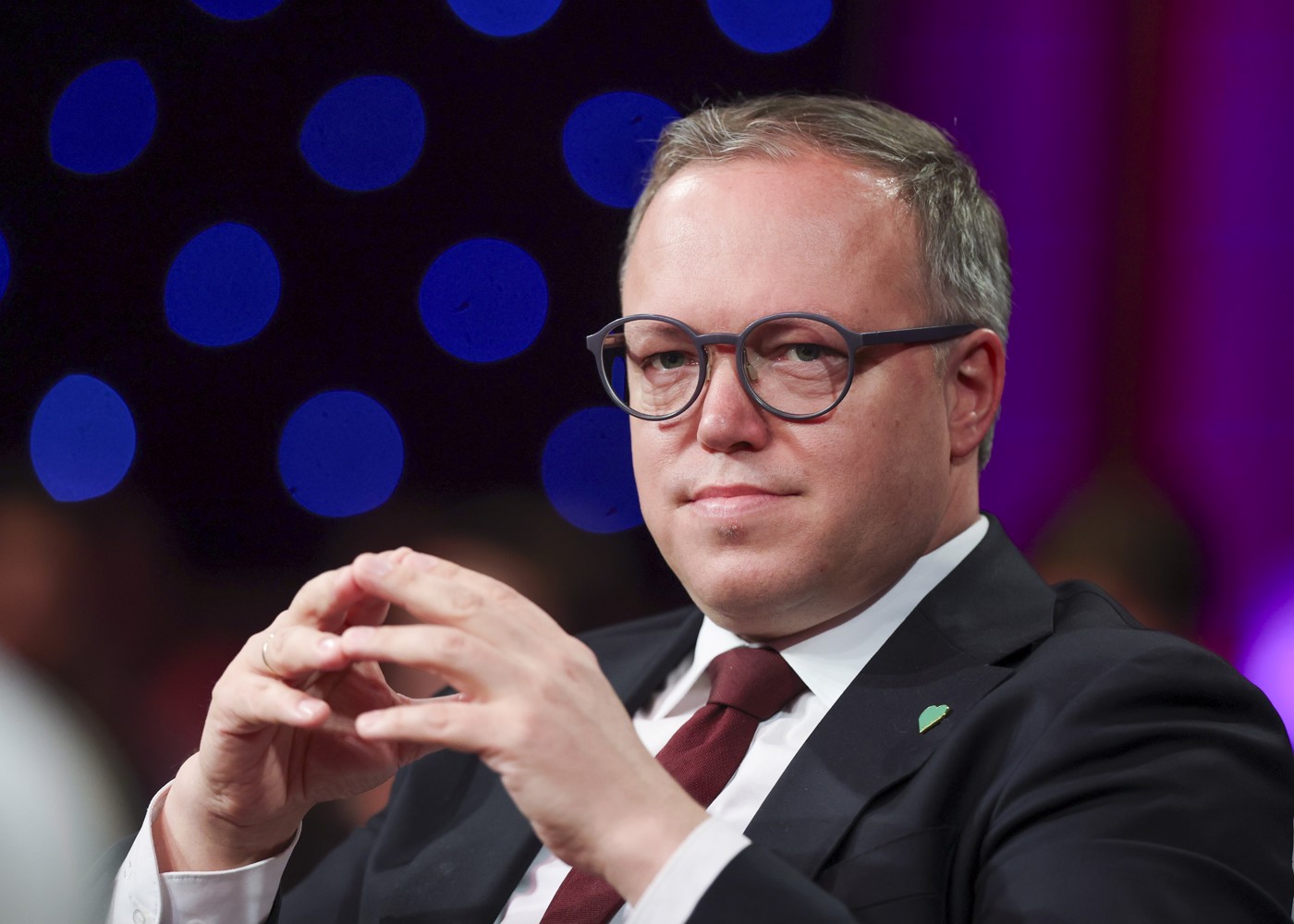

The office of Thuringia’s Minister President Mario Voigt is facing serious questions after a transparency investigation revealed that numerous speeches by the Christian Democratic Union politician bear strong signs of artificial intelligence generation, including a memorial address commemorating victims of the Nazi regime.
According to Nius, the German transparency portal FragDenStaat analyzed eleven speeches delivered by Mario Voigt and found that only one showed no signs of AI involvement. Nine of the eleven speeches reportedly showed AI generation indicators exceeding fifty percent, with three speeches allegedly written entirely by artificial intelligence.
The most troubling revelation concerns Voigt’s January 29, 2025 speech honoring those murdered in National Socialist concentration camps. Two AI detection programs evaluated the address, with Pangram rating it one hundred percent AI-generated and GPTZero determining the text was created by artificial intelligence with high certainty.
Recycled Emotional Phrases in Holocaust Remembrance
FragDenStaat identified linguistic patterns commonly associated with AI-generated text throughout the memorial speech, including repeated negations, abstract imagery, and emotionally charged but vague formulations. One particularly striking phrase described concentration camp survivors with the words describing their eyes as “empty and yet infinitely deep.”
That exact same phrase appeared months later in another Voigt speech marking the liberation of Buchenwald concentration camp, according to the transparency organization. The repetition of such emotionally loaded language in the context of Holocaust remembrance raises questions about the authenticity of the addresses.
Government Spokeswoman Refuses Direct Answer
When FragDenStaat directly asked whether the Holocaust memorial speech had been entirely AI-generated, the government spokeswoman declined to provide a clear answer. Instead, she offered only a general statement that the state chancellery uses AI as a supporting tool for creating speeches, texts and contributions, characterizing it as a contemporary aid rather than a replacement for human work.
The investigation noted that while individual AI detection programs can produce false positives, the consistent pattern across nearly all analyzed texts suggests a systematic reliance on artificial intelligence for speech preparation. Voigt’s New Year’s address was also among the speeches identified as completely AI-generated.
FragDenStaat acknowledged that such detection tools are not definitive proof, but maintains that the overall pattern of the analyzed texts shows a conspicuous tendency toward AI use in the minister president’s public communications.
With information from Nius





