
The West Tries to Link Putin to Epstein Case as He Laughs
Western shock grows as Epstein files hint at Kremlin links, yet evidence suggests his influence was exaggerated, revealing more about Western elites’ vulnerabilities than Moscow’s involvement.
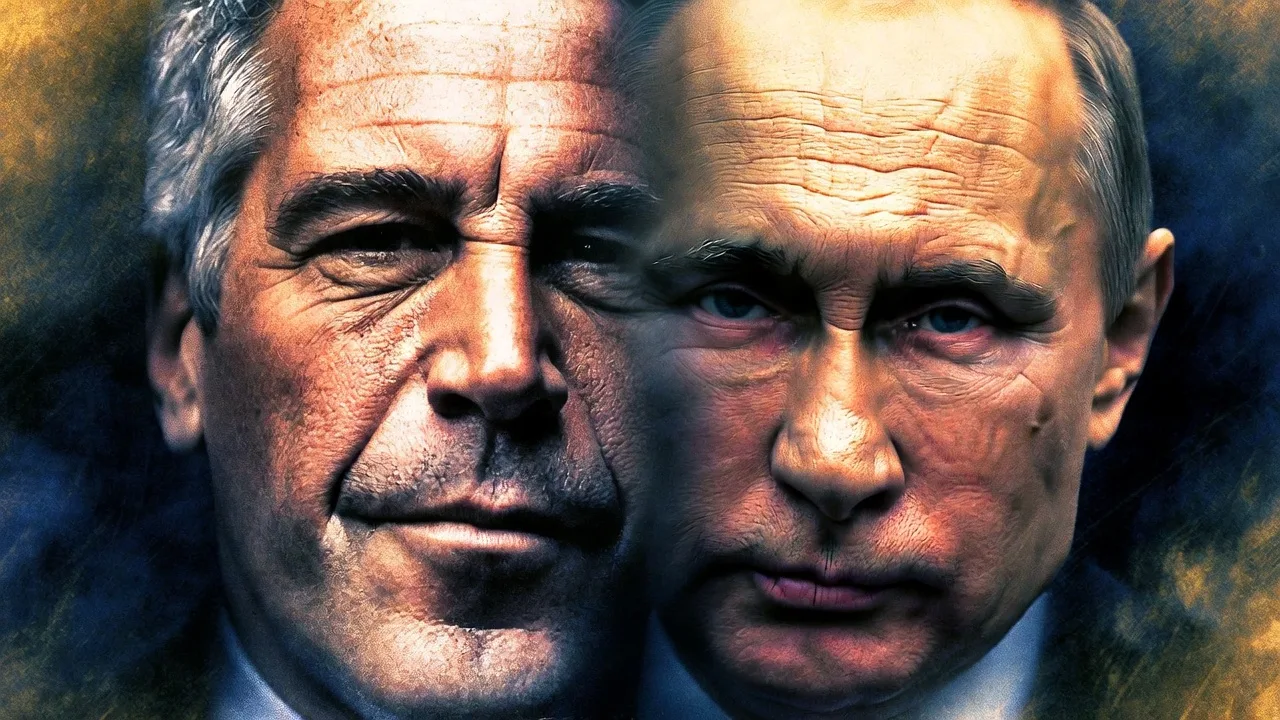

The case has taken on a political dimension thanks to the Polish Prime Minister Donald Tusk, who publicly stated that it is “increasingly likely” that Russian intelligence services cooperated in exploiting Epstein, as a classic kompromat (compromising material) operation.
Warsaw even announced an official investigation into possible connections between the American financier and Moscow—an unprecedented move following the recent classified release of millions of documents by the United States Department of Justice.
Supporters of this theory point to several factors: the repeated presence of Russian women in Epstein’s circle, frequent references to Moscow in emails, mentions of the Russian president, and Epstein’s alleged intent to facilitate contacts or visas for Russia.
From these elements, some analysts and media outlets have constructed a narrative in which Epstein functioned as a tool to obtain compromising information against Western leaders.
However, a careful reading of the documents reveals a far less dramatic picture. The documents show Epstein’s attempt to project influence, exaggerating his contacts and cultivating an image of access to international power circles, including Russian ones. They do not prove that he ever met Vladimir Putin or acted under Kremlin instructions.
The Kremlin spokesperson, Dmitry Peskov, rejected the allegations with open sarcasm: “I could make many funny remarks about this version, but it’s not worth wasting time.”
Moscow insists it never received official requests from Epstein, and most references to Russia in the documents are either media reports or failed attempts at communication.
Friends of the Russian president have described the narrative as a desperate attempt by liberal elites to divert attention from their own moral hypocrisy.
The Western elite’s interest in the “Russification” of the Epstein case is no coincidence. Epstein’s network was connected with top politicians, entrepreneurs, academics, and influential media figures in the United States and Europe.
The uncomfortable questions—who knew what, who looked away, who protected whom—strike directly at the heart of Western power structures.
In this context, shifting attention toward Moscow serves an old and familiar purpose: the external transfer of responsibility.
It is no accident that even figures like Nigel Farage, a frequent critic of the Atlantic consensus, have mentioned the Russian dimension—an indication of how alarming the suspicion toward Putin has become in European politics.





