Necessary Cookies

Required for the site to function. Cannot be disabled.

Analytics Cookies

Help us understand how visitors interact with our site (Google Analytics via GTM).

Marketing Cookies

Used to track visitors and deliver personalised advertisements.

We use cookies to enhance your browsing experience and analyse site traffic. By clicking Accept All, you consent to our use of cookies. Privacy Policy
NewsFire Global
Home News Europe World Christianity Culture Wars Opinion Video
Information
About Us Authors Advertising Terms & Conditions Privacy Policy Contact
R2B Media
R2B NEWSFIRE.GR PAPAFOTIS.GR THRACTION HELLENIC CONSERVATIVES RIGHT2THEBONE YT
News Culture Wars

The Making of the Fascist: A Political Stigma’s History

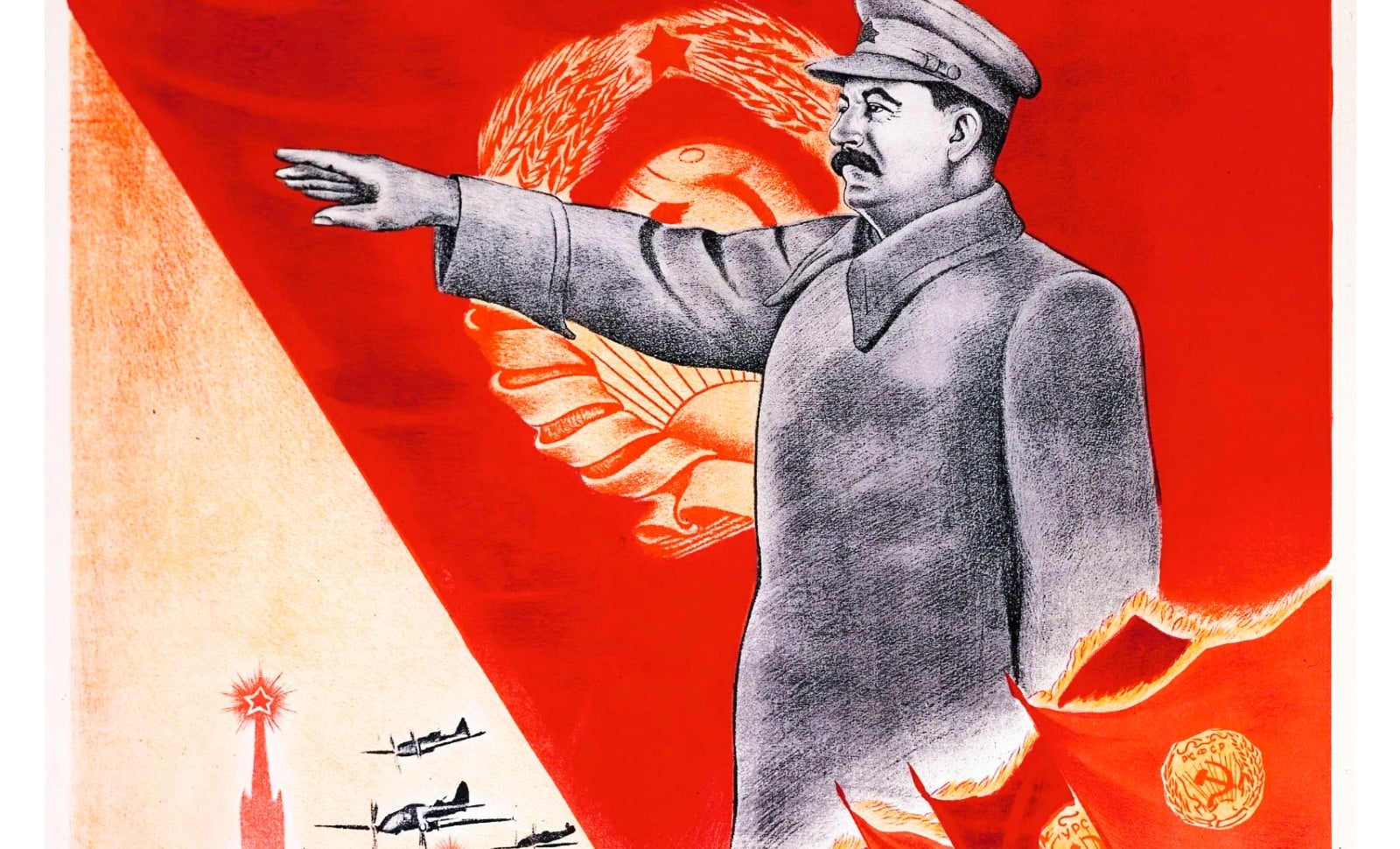
The article argues that the radical left weaponizes fascism accusations to silence conservatives, a tactic it traces to Stalinist propaganda that branded all bourgeois opponents as fascists.

Dimitris Papafotis
Dimitris Papafotis Editor in Chief
JUNE 19, 2026 AT 6:35 PM Updated: Jun 19, 2026 6:06 PM

According to Causeur, the weaponization of the fascism label began in earnest during the 1930s, when communist ideocracies and their affiliated parties systematically branded as fascists not only opponents of their totalitarian criminal project, but anyone associated with Western liberal societies. French historian Thierry Wolton documented in his work on global communism how the doctrinal reference to fascism was rarely defined precisely, instead designating what propagandists called a fatal disease inevitably striking bourgeois democracy.

The terminology served a darker purpose within communist regimes themselves. Writer Maxime Gorki explained that the fascist label was meant to inspire class hatred and organic repulsion toward enemies as physically and morally inferior beings. Jean Sévillia aptly characterized it as a word that kills, serving as a legal expedient for political criminalization that often meant liquidation.

Stalin’s Judicial Theater

The fascism accusation enabled extravagant and sordid procedures to eliminate tens of thousands of innocents. Stalin accused Soviet biologists of fascist deviation in genetics, while show trial victims were forced to confess meetings with Gestapo agents. After World War II, the tragic Sovietization of Central and Eastern European nations proceeded under the banner of purging fascism.

When Soviet power launched its crusade against alleged fascist tendencies in free societies, the imputation acquired geopolitical dimensions. From 1947, the Cominform decreed humanity’s division into two antagonistic blocs: bourgeois reactionary fascist societies on one side, and progressive communist forces fighting for peace, freedom, and social justice on the other.

The Red Privilege

Jean-François Revel described this moral travesty as the imposture of salvation by intentions, which for decades covered the repression of enslaved peoples’ aspirations to freedom and democracy. Causeur notes that Gilles-William Goldnadel identifies this phenomenon as the continuing red privilege in contemporary discourse.

In France, intellectuals, parties, and the left-wing press invariably invoked fascism and anti-fascism themes to establish what Revel termed informal totalitarianism. While victims’ physical integrity remained protected by bourgeois rule of law, the intellectual terrorism operated through Stalinist vocabulary deployed without hesitation.

Everyone Is Fascist

In 1936, Jean Grenier summarized the situation by observing that anyone not Marxist or susceptible to becoming one was held to be fascist. This tactic exploited fear of words, causing people to resign themselves to saying and doing anything to avoid the label.

Designated targets varied according to Soviet power’s strategic shifts relayed through communist organs and the French Communist Party. Social democrats were denounced as the worst social-fascists and harbingers of fascist dictatorship. L’Humanité proclaimed that fascism was the Republic and the Republic was already fascism.

During the Great Purges of 1936-37, when Stalin launched the anti-fascist front slogan to deceive Westerners, the French Communist Party engaged in struggle against the internal enemy: French fascism. Raymond Aron highlighted how anti-fascists pursued an elusive enemy while disagreeing on the essential method against the real enemy, Hitler.

Crushing Fascism in the Egg

Throughout the second half of the twentieth century, struggles and revolts by peoples under communist domination were stigmatized as fascist. Yugoslavia’s government seeking independence was denounced as an expression of reaction and fascism. The bloody repression in Budapest was validated as necessary to crush fascism in the egg.

The era witnessed what Charles Tillon called Moscow trials in Paris, prosecutions against multitudes of writers and independent spirits who refused to submit to the orthodoxy. This intellectual censorship apparatus established patterns that persist in contemporary political discourse, where conservative voices face systematic attempts at delegitimization through fascism accusations.

The legacy of this Stalinist rhetorical strategy continues to shape Western political debate, as radical left movements deploy the fascism label against any opposition to their agenda. The tactic remains effective precisely because it exploits historical memory while obscuring the totalitarian origins of the accusation itself.

With information from Causeur

Share:
Dimitris Papafotis
Dimitris Papafotis

Dimitris Papafotis is the editor-in-chief of NewsFire.GR. He was born and raised in Athens. He studied at the Journalism Workshop (1991-1993). He currently lives in Pyrgos, Ilia, where he has been active in radio and various newspapers, while also maintaining his personal blog, Papafotis.gr.

According to Causeur, the weaponization of the fascism label began in earnest during the 1930s, when communist ideocracies and their affiliated parties systematically branded as fascists not only opponents of their totalitarian criminal project, but anyone associated with Western liberal societies. French historian Thierry Wolton documented in his work on global communism how the doctrinal reference to fascism was rarely defined precisely, instead designating what propagandists called a fatal disease inevitably striking bourgeois democracy.

The terminology served a darker purpose within communist regimes themselves. Writer Maxime Gorki explained that the fascist label was meant to inspire class hatred and organic repulsion toward enemies as physically and morally inferior beings. Jean Sévillia aptly characterized it as a word that kills, serving as a legal expedient for political criminalization that often meant liquidation.

Stalin’s Judicial Theater

The fascism accusation enabled extravagant and sordid procedures to eliminate tens of thousands of innocents. Stalin accused Soviet biologists of fascist deviation in genetics, while show trial victims were forced to confess meetings with Gestapo agents. After World War II, the tragic Sovietization of Central and Eastern European nations proceeded under the banner of purging fascism.

When Soviet power launched its crusade against alleged fascist tendencies in free societies, the imputation acquired geopolitical dimensions. From 1947, the Cominform decreed humanity’s division into two antagonistic blocs: bourgeois reactionary fascist societies on one side, and progressive communist forces fighting for peace, freedom, and social justice on the other.

The Red Privilege

Jean-François Revel described this moral travesty as the imposture of salvation by intentions, which for decades covered the repression of enslaved peoples’ aspirations to freedom and democracy. Causeur notes that Gilles-William Goldnadel identifies this phenomenon as the continuing red privilege in contemporary discourse.

In France, intellectuals, parties, and the left-wing press invariably invoked fascism and anti-fascism themes to establish what Revel termed informal totalitarianism. While victims’ physical integrity remained protected by bourgeois rule of law, the intellectual terrorism operated through Stalinist vocabulary deployed without hesitation.

Everyone Is Fascist

In 1936, Jean Grenier summarized the situation by observing that anyone not Marxist or susceptible to becoming one was held to be fascist. This tactic exploited fear of words, causing people to resign themselves to saying and doing anything to avoid the label.

Designated targets varied according to Soviet power’s strategic shifts relayed through communist organs and the French Communist Party. Social democrats were denounced as the worst social-fascists and harbingers of fascist dictatorship. L’Humanité proclaimed that fascism was the Republic and the Republic was already fascism.

During the Great Purges of 1936-37, when Stalin launched the anti-fascist front slogan to deceive Westerners, the French Communist Party engaged in struggle against the internal enemy: French fascism. Raymond Aron highlighted how anti-fascists pursued an elusive enemy while disagreeing on the essential method against the real enemy, Hitler.

Crushing Fascism in the Egg

Throughout the second half of the twentieth century, struggles and revolts by peoples under communist domination were stigmatized as fascist. Yugoslavia’s government seeking independence was denounced as an expression of reaction and fascism. The bloody repression in Budapest was validated as necessary to crush fascism in the egg.

The era witnessed what Charles Tillon called Moscow trials in Paris, prosecutions against multitudes of writers and independent spirits who refused to submit to the orthodoxy. This intellectual censorship apparatus established patterns that persist in contemporary political discourse, where conservative voices face systematic attempts at delegitimization through fascism accusations.

The legacy of this Stalinist rhetorical strategy continues to shape Western political debate, as radical left movements deploy the fascism label against any opposition to their agenda. The tactic remains effective precisely because it exploits historical memory while obscuring the totalitarian origins of the accusation itself.

With information from Causeur