
Tanker Companies: Hormuz Traffic Needs Weeks to Normalize
Japan's top shipping executive warns restoring normal traffic through the Strait of Hormuz will take weeks despite the U.S.-Iran peace deal, citing need for concrete security guarantees.
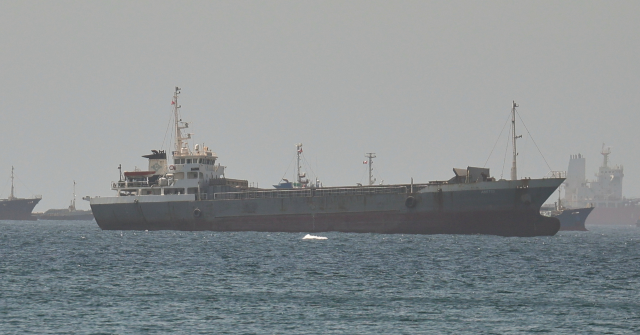

Tamura Jotaro, who leads Mitsui OSK Lines (MOL), told the Financial Times that shipping companies will need concrete assurances on the ground before committing vessels to the strategic waterway, as Breitbart News reports.
The Japanese shipping executive emphasized that more than diplomatic agreements on paper would be necessary. Real material conditions in the Strait of Hormuz must change before shipping lines feel confident about resuming normal operations through the chokepoint.
Tamura pointed to the troubled history of recent months, during which Iran used terrorist tactics to shut down the strait beginning in March. That track record of broken promises will make shipping and insurance firms cautious about declaring the route safe again.
World’s Largest Tanker Fleet Stays Cautious
MOL operates more than 900 vessels worldwide, including over 200 tankers carrying oil, petroleum products, and chemicals. This makes the company the world’s largest tanker operator by fleet size, giving Tamura’s assessment significant weight in global maritime circles.
While some shipping firms have expressed optimism about trapped vessels leaving the Persian Gulf as soon as Friday’s signing ceremony, Tamura has taken a more measured approach to predicting when high-volume traffic will return.
Jakob Larsen, chief safety and security officer for the Baltic and International Maritime Council, struck an even more pessimistic tone in comments to CNN. He noted that critical details regarding timing and safe routes remain unclear.
Larsen warned that the security environment for shipping remains volatile. Due to lack of details and a history of overly optimistic reassurances, BIMCO considers transit attempts very risky at this stage.
April Debacle Still Fresh in Maritime Memory
The most damaging incident occurred on April 17, when Iranian authorities declared the strait open only to shut it down again within 24 hours. Dozens of ships were forced to reverse course while under fire from Iran’s Islamic Revolutionary Guard Corps.
Larsen urged shipowners to conduct thorough risk assessments and demanded that all parties prioritize seafarer safety above political considerations.
The International Maritime Organization estimates approximately 500 vessels remain stranded in the Persian Gulf. The UN agency plans to prioritize exit for ships trapped more than 100 days, but only after assessing transit feasibility and identifying potential hazards including mines and congestion risks.
Clearing the Backlog Will Take Time
Before Operation Epic Fury commenced in late February, the Strait of Hormuz handled roughly 135 ships daily. Given congestion concerns and safety protocols, Tamura’s one-month timeline for clearing the backlog appears realistic.
The MOL chief executive stated firmly during the interview that his company would not pay Tehran any tolls, fees, or ransom for safe passage. He revealed that four MOL vessels successfully transited the strait during the closure period without paying Iran.
Tamura suggested that government diplomatic channels had facilitated those successful passages, leading the Financial Times to speculate that MOL ships may have carried flags from nations like Oman or India that maintained Tehran contacts throughout the crisis.
Oil Markets Show Confidence in Deal
Oil prices dropped below $80 per barrel on Tuesday for the first time since the Strait of Hormuz crisis erupted, signaling market confidence in the durability of the American-Iranian agreement.
Brent crude, the international oil benchmark, fell to $79.61 on Tuesday. This represents a dramatic decline from the April peak of $126 reached during the height of tensions between Washington and Tehran.
UBS Asset Management analysts noted that markets clearly welcomed the diplomatic breakthrough, though normalization speed remains uncertain. The firm cautioned that markets will seek clearer evidence that shipping companies and insurers possess sufficient confidence to traverse the waterway, particularly given concerns about sea mines.
Goldman Sachs forecasted that export volumes would normalize to prewar levels by the end of July, even as full agreement details remain unclear.
With information from Breitbart News





