
Surrogacy Is a Crime: The Debate Over Having Children
Children born through surrogacy report lasting psychological trauma from being separated from birth mothers, contradicting research showing newborns need immediate maternal bonding.

According to Junge Freiheit, Olivia Maurel, born via surrogate in 1991, has published her autobiography documenting the profound suffering experienced by children purchased through surrogacy arrangements. Her account stands as one of the few testimonies from the perspective of those born into such transactions.
Maurel’s statements are unequivocal in their pain. She describes feeling as though she has a price tag attached to her and speaks of abandonment feelings that have haunted her throughout her entire life. Her testimony comes at a critical moment in the surrogacy debate, particularly in Germany where political figures including former Union parliamentary group leader Jens Spahn from the CDU have become embroiled in controversy over the practice.
Medical Research Contradicts Surrogacy Practice
The immediate separation of newborns from their birth mothers stands in direct opposition to decades of medical research on maternal bonding. Every human being bears the physical evidence of their nine-month connection to their mother, yet the surrogacy industry systematically dismisses this biological reality.
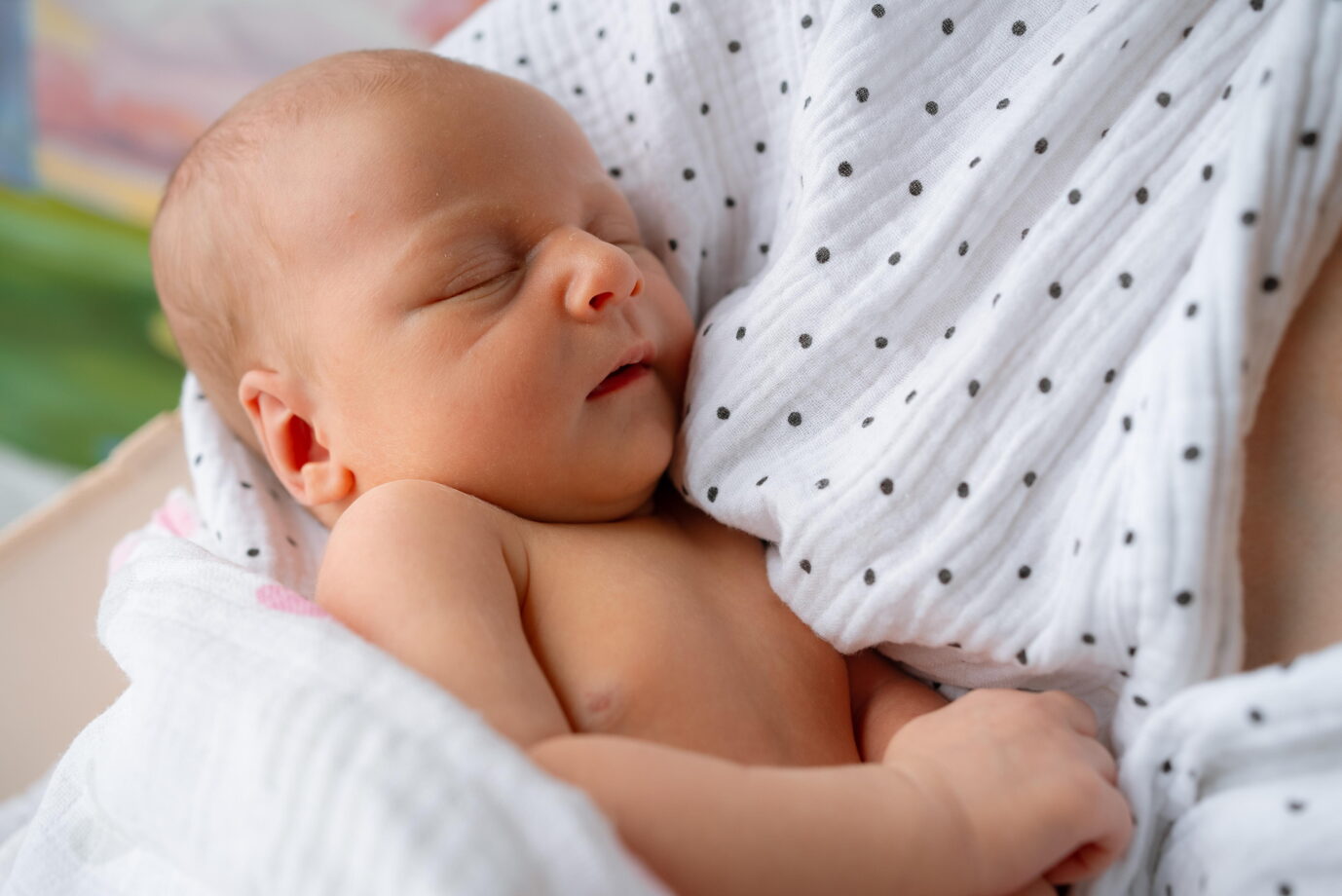
Lactation consultant Hanne Kerstin Götze wrote in the FAZ in 2014 about the critical needs of newborns following birth. After delivery into a cold, bright, loud and infinitely wide world, infants require immediate reconnection and bonding. The baby needs the direct proximity of precisely one person, namely its mother: her warmth, her skin, her heartbeat, her voice, her face, and milk from her breast for the previously unknown feeling of hunger.
Modern obstetric practice has evolved to prioritize what is known as “bonding” in the immediate postpartum period. Skin-to-skin contact between mother and newborn takes precedence over weighing, measuring and examination procedures, which can wait. Midwifery associations explicitly state their commitment to protecting and supporting this sensitive phase of first acquaintance between mother and child.
Bonding Benefits Both Mother and Child
Michael Abou-Dakn, chief physician at the clinic for gynecology and obstetrics at St. Joseph Hospital in Berlin-Tempelhof, explained to Welt in 2011 how fundamentally mother and child are oriented toward each other immediately following birth. When newborns are dried, wrapped in warm cloths and allowed to remain in skin contact with their mothers, they demonstrate significantly better outcomes across multiple measures.
These infants are far more relaxed, achieve better temperature regulation, and show markedly reduced stress levels. The benefits extend to breastfeeding initiation, with babies typically crawling to their mother’s breast within the first hour to ninety minutes and beginning to nurse independently. Mothers themselves experience reduced pain perception and improved emotional equilibrium through this bonding process.
None of these scientifically documented benefits apply to women who “rent” their wombs through surrogacy agencies. The psychological suffering of surrogate mothers who, despite professional psychological conditioning, form bonds with the child beneath their heart over nine months represents a separate chapter of exploitation that journalist Alexander Wallasch has examined in detail in connection with the Spahn controversy.
Children Treated Worse Than Animals
The children born through surrogacy arrangements have no lobby to advocate for their interests. While they cannot yet articulate how it feels to lose their mother during the life phase when they need her most urgently, they can express their distress through crying before being quieted with artificial nutrition.
The ethical disconnect becomes starkly apparent when comparing protections for animals versus surrogate-born children. German animal welfare law clearly stipulates that puppies cannot be separated from their mothers immediately after birth or during the first weeks of life. Yet human infants may be legally purchased and removed from their birth mothers at delivery.
Commercial surrogacy contracts ignore not merely the last remnants of moral education but the findings of multiple scientific disciplines. Neuroscience, endocrinology, developmental psychology, perinatal medicine and attachment research all confirm how critically newborns, infants and toddlers depend on their mothers and how severely they suffer from such separation.
The industry operates as a global billion-dollar business that transforms children into products from the moment of artificial conception in a laboratory. Women in desperate circumstances, often from the poorest regions of the world, are recruited with promises that they can suppress their feelings for the commissioned child. These assurances prove hollow both during pregnancy and especially at delivery, when seeing their newborn for the first time.
If the Spahn surrogacy controversy has produced any positive outcome, it is that testimonies from affected women have begun penetrating Western awareness, revealing the stark reality behind the glossy marketing materials of fertility clinics. The fundamental question remains unanswered: why is purchasing a human being permitted under any circumstances?
With information from Junge Freiheit





