Sullivan and Peltola advance in Alaska Senate primary
Alaska Republican Senator Dan Sullivan and former Democratic Representative Mary Peltola advanced from a crowded primary field to a November showdown that could prove pivotal in determining Senate control.
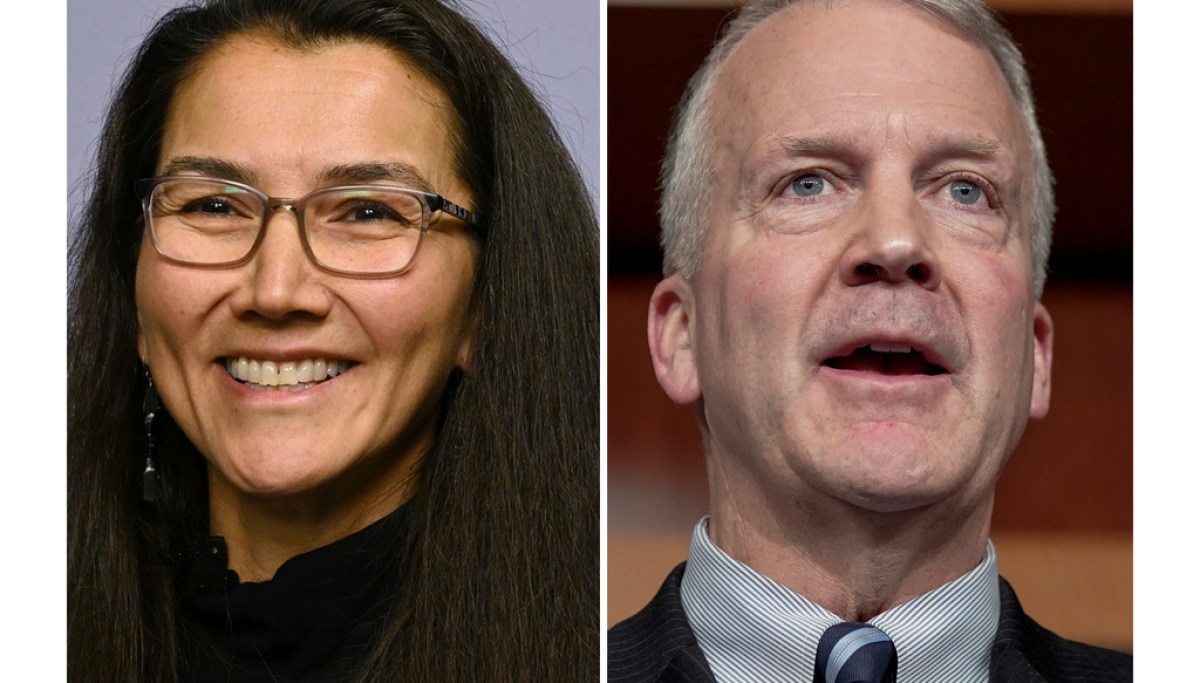

The two frontrunners emerged from a field of 16 candidates competing under Alaska’s nonpartisan primary system, where all parties run on a single ballot with the top four vote-getters advancing to the general election.
As of approximately 2 a.m. Eastern Time with half the votes tallied, Peltola held 45.9% compared to Sullivan’s 45%, the Associated Press reported. Daniel J. Sullivan Jr. and Gerald L. Heikes appeared positioned to claim the remaining two general election spots, though those positions remained too close to call. The outcome means two candidates named Dan Sullivan will appear on the November ballot.
While both leading candidates were expected to advance, their vote shares offer early signals about the competitiveness of a race that has drawn millions in outside spending and could help decide which party controls the Senate.
Tight Polling Puts Alaska Senate Seat in Play
Pre-primary polling showed a razor-thin contest between the frontrunners. A New York Times-Siena University survey from July gave Sullivan a narrow 47% to 45% edge over Peltola, within the margin of error.
Other polls suggested Peltola held a slight advantage. Alaska Survey Research found her leading Sullivan 49% to 44% in March and 49% to 43% in April.
The competitive numbers have placed Alaska firmly on the national Senate battleground map. The Cook Political Report rates the race a toss-up as Democrats eye Alaska as one of several opportunities to gain the four seats needed for Senate control.
Peltola Distances Herself From National Democrats
Peltola has worked to maintain separation from the national Democratic Party while campaigning in a state President Donald Trump carried by 13 points in 2024. That strategy was evident last week when her campaign rejected an unsolicited fundraising appeal from former Vice President Kamala Harris. Harris’s political action committee had sent an email urging supporters to donate to Peltola, calling her essential to Democratic efforts to reclaim Senate control. Peltola’s campaign responded that she was not seeking endorsements from figures outside Alaska and remained focused on state issues.
Republicans Pour Millions Into Alaska Defense
National Republicans have ramped up investment defending Sullivan’s seat. The Senate Leadership Fund announced this month it would commit an additional $2 million to Alaska, bringing its total investment against Peltola to $17 million.
Outside groups have also spent over $2 million promoting lesser-known or perennial candidates in an apparent effort to influence which contenders claim the remaining two top-four spots and shape the field Sullivan and Peltola will face in November.
Ranked-Choice System Adds Complexity
Alaska’s ranked-choice voting system could blunt the impact of such maneuvering. In November, voters will rank the four candidates by preference. If no candidate secures a majority of first-choice votes, the lowest-performing candidate is eliminated and those ballots redistributed according to voters’ next choices. The process continues until one candidate surpasses 50%.
Tuesday’s primary included an unusual complication: Sullivan shared the ballot with another Republican candidate also named Dan Sullivan. The second Dan Sullivan, a retired teacher and former U.S. Forest Service employee, was permitted to remain on the ballot after a judge rejected the incumbent senator’s effort to remove him.
November Contest Expected to Draw National Spotlight
The primary marks only the opening round of a race expected to receive intense national attention through the fall. Peltola is attempting to unseat Sullivan in a state that has traditionally favored Republicans in federal contests but where she has already proven her ability to win statewide.
Peltola captured Alaska’s at-large House seat in a 2022 special election, won a full term that same year, but lost reelection in 2024. For Sullivan, Tuesday’s result launched his campaign for another six-year Senate term.
The November race is expected to be among a handful of contests that could determine Senate control, making the primary results an early indicator of the coalitions both Sullivan and Peltola must build heading into autumn.
With information from Washington Examiner