
Sudan War Death Toll Soars as World Leaders Stay Silent
Western human rights institutions have ignored jihadist violence in sub-Saharan Africa that killed over 150,000 people in a decade, according to analysts writing in Washington Examiner.
According to Charles Jacobs and Walid Phares writing in Washington Examiner, this staggering bloodshed has triggered no emergency United Nations Security Council sessions from Amnesty International, no campus protests, and minimal coverage in opinion pages across major publications.
When jihadist atrocities do briefly capture attention, the victims vanish rapidly from news cycles and international concern. The Yazidis of Iraq endured a genocide recognized by the United Nations in 2016, yet receive barely a mention today. In 2014, then-first lady Michelle Obama expressed outrage when Boko Haram jihadists kidnapped 276 schoolgirls from Chibok, Nigeria, tweeting the hashtag “#BringBackOurGirls” before abandoning the matter within weeks.

The pattern extends to numerous other persecuted groups. Ahmadiyya Muslims in Pakistan face murder for their prayer practices. Coptic Christians in Egypt endure systemic persecution by the Muslim Brotherhood, with churches bombed and women kidnapped and forced to convert to Islam. Egyptian liberals and journalists face intimidation from Muslim Brotherhood jihadists. Nigerian Christians suffer massacres on a weekly, often daily basis. Syria’s Druze, Kurds, Christians, and Alawites experience similar attacks.
With remarkable consistency, Western institutions claiming leadership on human rights battles ignore or downplay these victims. Jihadist violence erupts across European cities, yet identifying it by name risks public condemnation, penalties, and even imprisonment.
The Anticolonial Framework
The ideology dominating Western institutions derives from so-called anticolonialism, which frames history as a narrative of white oppression inflicted globally through imperialism. This same oppression supposedly manifests within Western societies as white supremacy dominating domestic minorities. The framework divides humanity into two categories: oppressors and oppressed, with moral status assigned by group identity rather than actual behavior or culpability. A critical consequence: the oppressed cannot be judged or criticized.
This anticolonial paradigm lacks vocabulary for situations where groups defined as oppressed within the West function as oppressors themselves. Adherents to this progressive worldview become effectively mute when confronting Arab jihadists murdering gay men, Nigerian Islamist militiamen enslaving other black Africans, or men of color stoning adulteresses.
A Death Sentence for Minorities
The policy of deliberately ignoring horrors committed by what has become a reflexively protected category of aggressors proves devastating to every group terrorized by jihadists globally. It amounts to a virtual death sentence for besieged minorities.
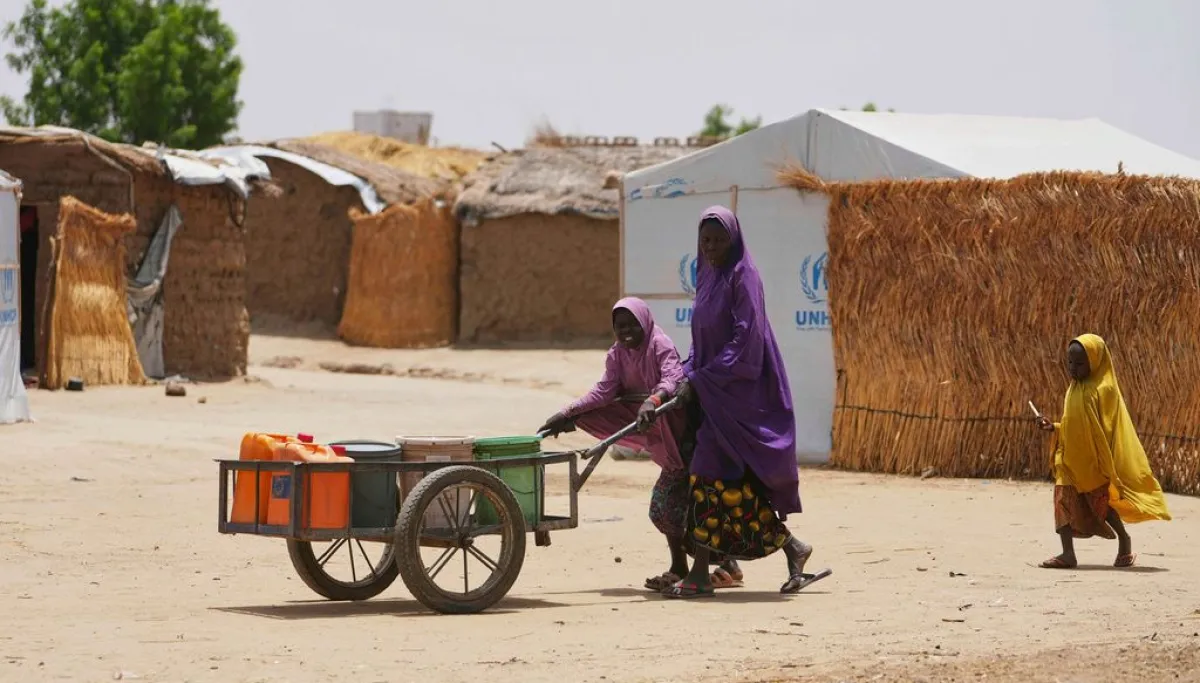
Jihadist persecution has reduced African Christians to oppressed status across much of their continent. Because their suffering comes at the hands of a protected class, it generates no institutional outrage. In Nigeria, Boko Haram and affiliated groups have killed tens of thousands of Christians and displaced millions. In Sudan, jihadist militias raze churches and drag women into sexual slavery, some literally in chains. In the Central African Republic, armed Islamist organizations massacre civilians with frequency that would dominate international headlines if perpetrators were white.
Across the Sahel—a region stretching from Senegal to Somalia—the combination of jihadist insurgency and institutional abandonment has produced a humanitarian catastrophe of historic proportions. According to the Global Terrorism Index, the countries most affected by terrorism in 2025 include Burkina Faso, Mali, Niger, and Syria.
Identity Over Conduct
The West’s human rights establishment built its reputation defending the very groups it now abandons. Liberal institutions have been captured, gradually and deliberately, by an ideology assigning virtue and villainy by identity rather than conduct. The result is a world where most victims of 21st century political violence remain largely invisible.
Until now, these victimized populations have viewed their struggles as singular and isolated. In reality, each persecuted group faces one front of a holy war whose theology remains consistent, whose funding networks overlap, and whose combined casualty count dwarfs every conflict commanding Western attention.
With information from Washington Examiner





