Necessary Cookies

Required for the site to function. Cannot be disabled.

Analytics Cookies

Help us understand how visitors interact with our site (Google Analytics via GTM).

Marketing Cookies

Used to track visitors and deliver personalised advertisements.

We use cookies to enhance your browsing experience and analyse site traffic. By clicking Accept All, you consent to our use of cookies. Privacy Policy
NewsFire Global
Home News Europe World Christianity Culture Wars Opinion Video
Information
About Us Authors Advertising Terms & Conditions Privacy Policy Contact
R2B Media
R2B NEWSFIRE.GR PAPAFOTIS.GR THRACTION HELLENIC CONSERVATIVES RIGHT2THEBONE YT
News Europe

Strack-Zimmermann Challenges Kubicki in Last-Minute FDP Race

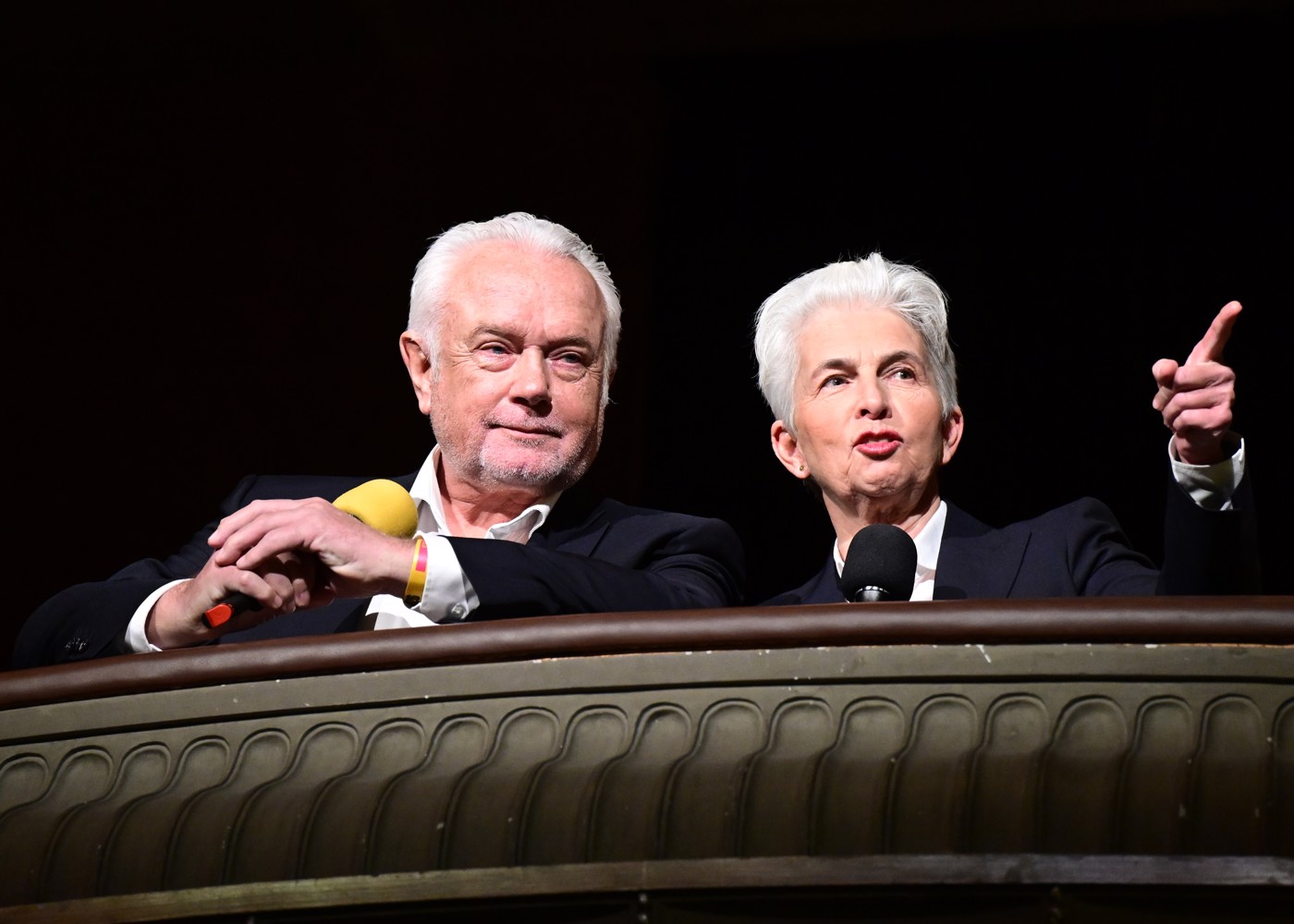
Wolfgang Kubicki was elected chairman of Germany's Free Democratic Party with 59 percent of votes after European Parliament member Marie-Agnes Strack-Zimmermann launched a last-minute challenge.

Dimitris Papafotis
Dimitris Papafotis Editor in Chief
MAY 31, 2026 AT 12:02 AM

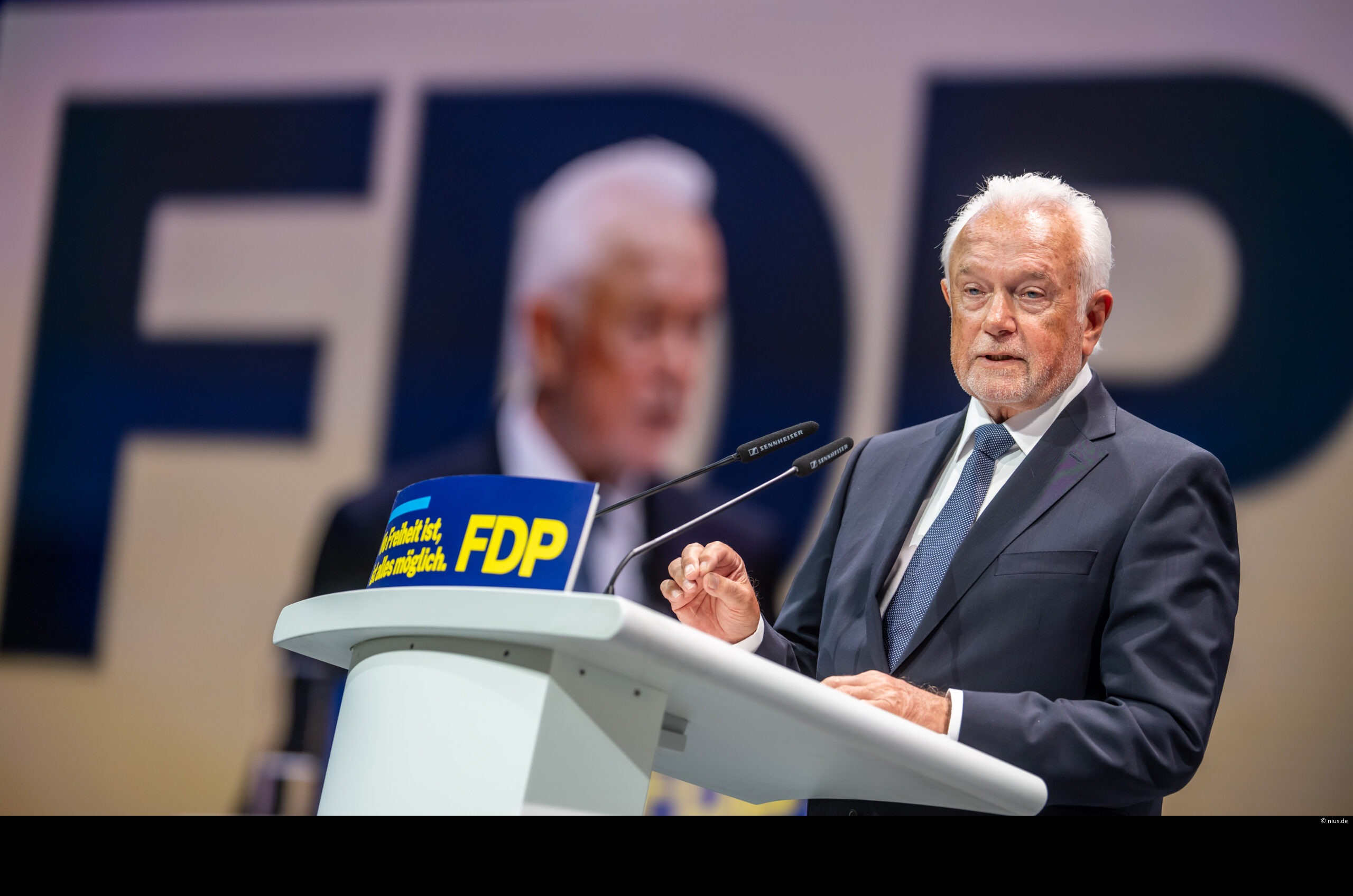
The showdown unfolded at the FDP party congress in Berlin, according to Nius, where Kubicki secured victory in the first round of voting with more than 59 percent of delegate support, receiving 390 votes.
nius.de
Photo: nius.de

The contest emerged unexpectedly when Strack-Zimmermann was nominated just minutes before the election was set to begin. She was put forward by Joachim Stamp, throwing the gathering into an unplanned power struggle.

Until that moment, the 74-year-old party veteran Kubicki appeared set for an uncontested coronation as the sole candidate. Strack-Zimmermann had previously backed Henning Höne, the FDP leader in North Rhine-Westphalia, but he withdrew his candidacy several weeks ago.

The sudden challenge tested whether the party would rally behind its longtime establishment figure or opt for a different direction under Strack-Zimmermann, who currently serves as a member of the European Parliament.

Kubicki’s decisive first-round victory suggests party delegates preferred continuity and experience as the liberal party seeks to rebuild its position in German politics. The FDP has faced electoral setbacks and internal debates over its strategic direction in recent years.

The leadership contest highlighted ongoing tensions within the party about its future course and who should lead it through upcoming political challenges at both the national and European levels.

With information from Nius

Share:
Dimitris Papafotis
Dimitris Papafotis

Dimitris Papafotis is the editor-in-chief of NewsFire.GR. He was born and raised in Athens. He studied at the Journalism Workshop (1991-1993). He currently lives in Pyrgos, Ilia, where he has been active in radio and various newspapers, while also maintaining his personal blog, Papafotis.gr.

The showdown unfolded at the FDP party congress in Berlin, according to Nius, where Kubicki secured victory in the first round of voting with more than 59 percent of delegate support, receiving 390 votes.

nius.de
Photo: nius.de

The contest emerged unexpectedly when Strack-Zimmermann was nominated just minutes before the election was set to begin. She was put forward by Joachim Stamp, throwing the gathering into an unplanned power struggle.

Until that moment, the 74-year-old party veteran Kubicki appeared set for an uncontested coronation as the sole candidate. Strack-Zimmermann had previously backed Henning Höne, the FDP leader in North Rhine-Westphalia, but he withdrew his candidacy several weeks ago.

The sudden challenge tested whether the party would rally behind its longtime establishment figure or opt for a different direction under Strack-Zimmermann, who currently serves as a member of the European Parliament.

Kubicki’s decisive first-round victory suggests party delegates preferred continuity and experience as the liberal party seeks to rebuild its position in German politics. The FDP has faced electoral setbacks and internal debates over its strategic direction in recent years.

The leadership contest highlighted ongoing tensions within the party about its future course and who should lead it through upcoming political challenges at both the national and European levels.

With information from Nius

