Necessary Cookies

Required for the site to function. Cannot be disabled.

Analytics Cookies

Help us understand how visitors interact with our site (Google Analytics via GTM).

Marketing Cookies

Used to track visitors and deliver personalised advertisements.

We use cookies to enhance your browsing experience and analyse site traffic. By clicking Accept All, you consent to our use of cookies. Privacy Policy
NewsFire Global
Home News Europe World Christianity Culture Wars Opinion Video
Information
About Us Authors Advertising Terms & Conditions Privacy Policy Contact
R2B Media
R2B NEWSFIRE.GR PAPAFOTIS.GR THRACTION HELLENIC CONSERVATIVES RIGHT2THEBONE YT
News World

State Department Sending Diplomats to Middle East as Trump Shifts Course

The Trump administration is returning American diplomats to Middle East embassies evacuated during the Iran conflict despite fading peace prospects and stalled diplomatic efforts.

AUGUST 25, 2026 AT 4:34 PM

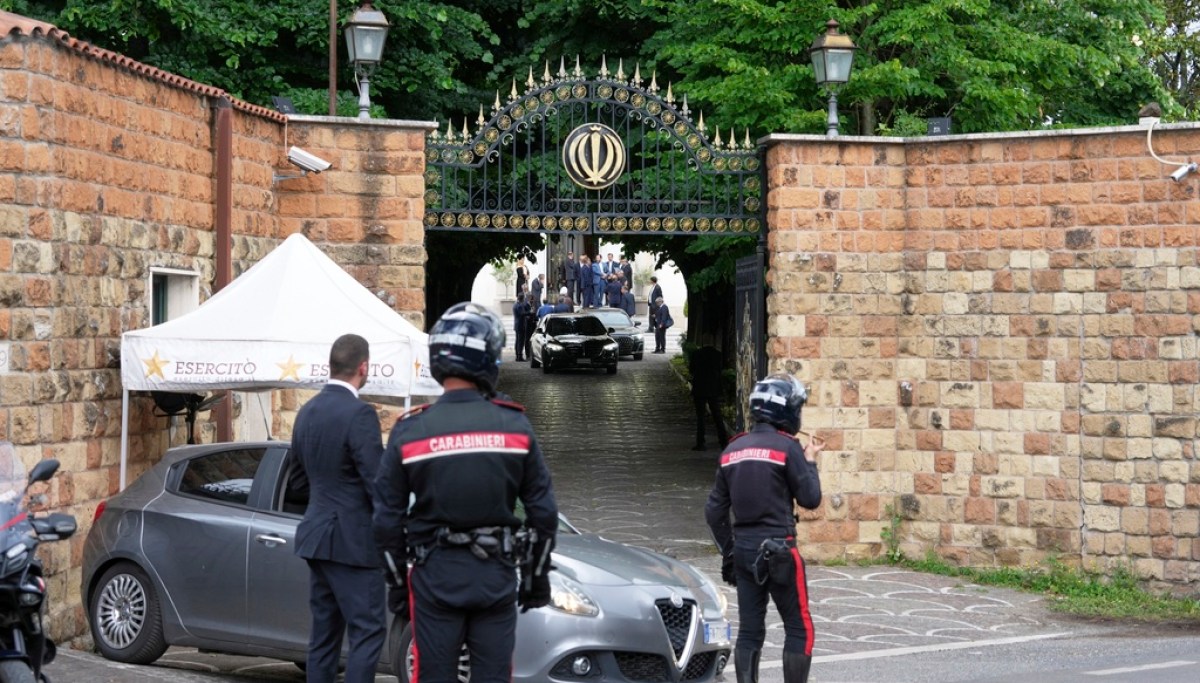
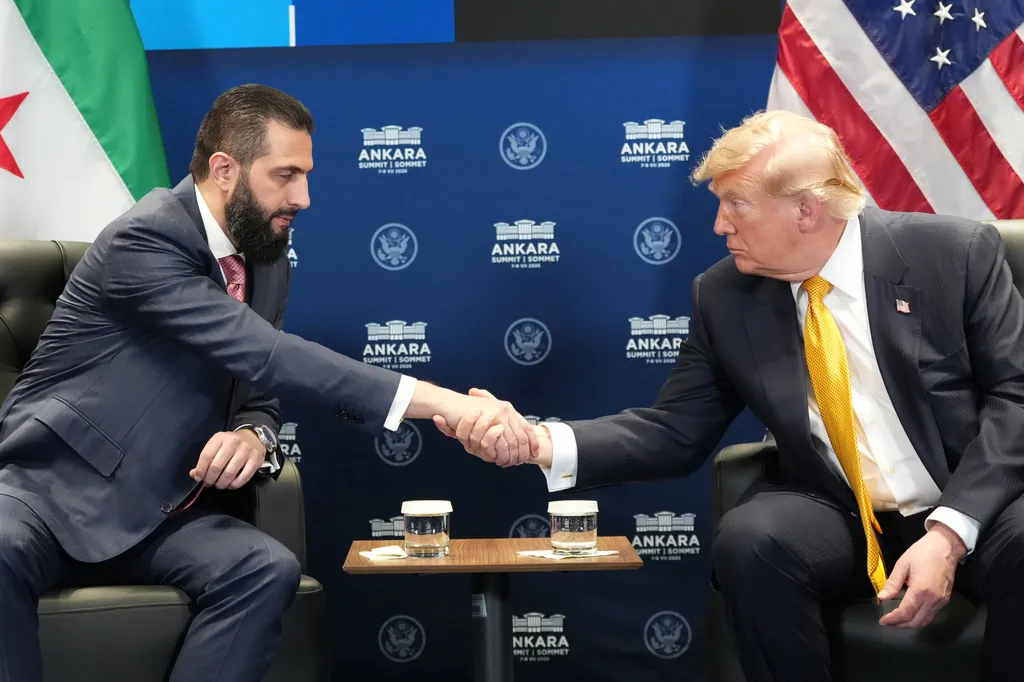
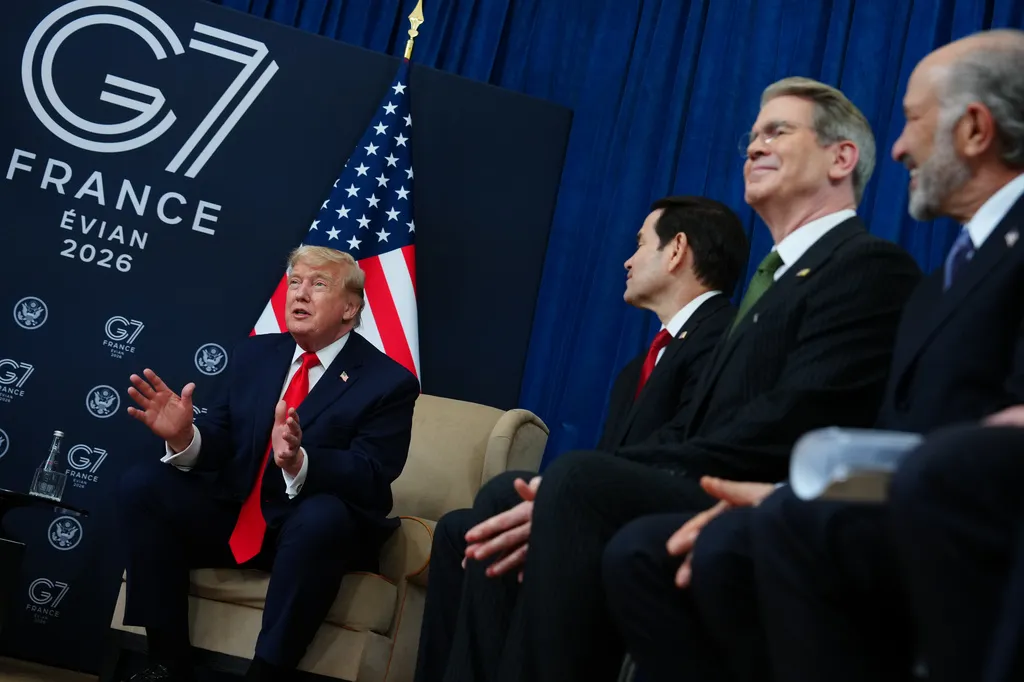
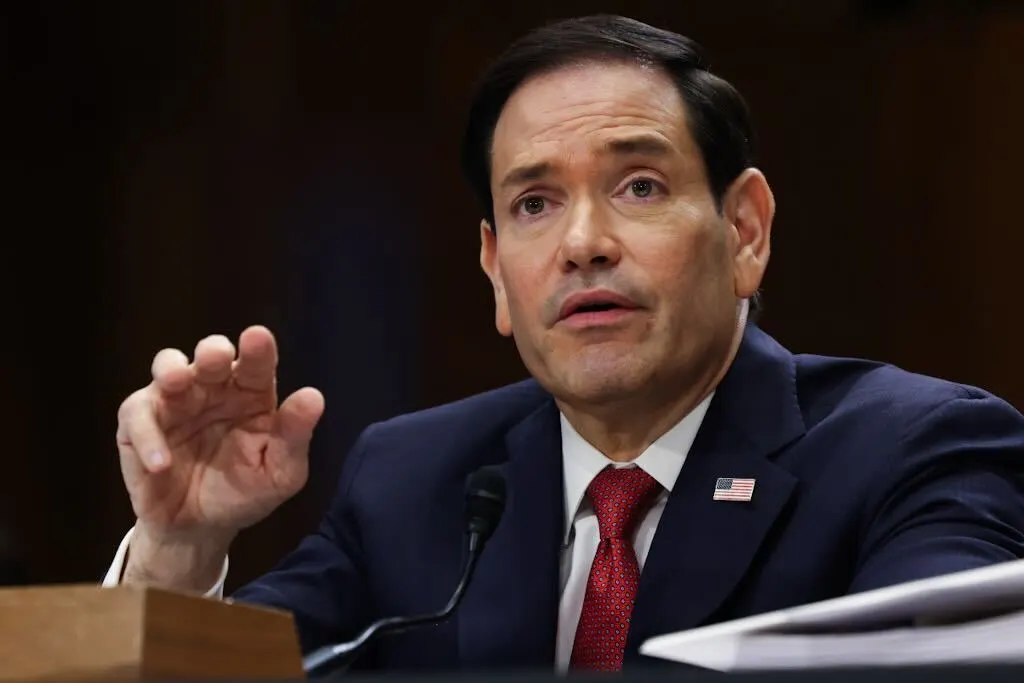
Secretary of State Marco Rubio has authorised the redeployment of State Department personnel to multiple missions in countries previously hit by Iranian missile strikes, according to Emily Hallas writing in Washington Examiner. The move affects U.S. embassies in Israel, Saudi Arabia, Qatar, Jordan, Oman, Iraq, and Kuwait, with diplomats also heading back to the American mission in Lebanon.

The decision represents a notable shift in the administration’s posture, suggesting reduced threat assessments at a moment when diplomatic efforts to end the conflict have stalled. President Donald Trump has increasingly signalled his preference for economic warfare over military escalation as the confrontation with Tehran approaches its six-month anniversary.

Security Assessment Revised

A State Department spokesperson confirmed the policy adjustment to the Washington Examiner, explaining that the agency continuously reviews the security posture at our diplomatic missions worldwide. The spokesperson added that staffing levels at certain Middle Eastern posts are being adjusted to advance American foreign policy objectives while maintaining personnel safety.
The redeployment is set to begin this week, with Lebanon’s embassy receiving the first returning officers. Hezbollah, the powerful Iranian-backed organisation that dominates much of Lebanon, has not launched missile attacks on the scale seen elsewhere in the region. However, restrictions on family members accompanying diplomatic staff remain in force across all affected posts.

Evacuation Orders Issued in February

Washington initiated embassy evacuations in late February after launching military operations against Iran. The administration ordered non-emergency personnel and their families to depart missions in Bahrain, Iraq, Jordan, Qatar, Saudi Arabia, and the United Arab Emirates following Iranian retaliatory strikes. Israel and Lebanon had already been operating under departure protocols before hostilities commenced.

Economic Pressure Campaign Intensifies

The staffing decision coincides with a major escalation in economic pressure on Tehran. Treasury Secretary Scott Bessent has unveiled an “Economic D-Day” initiative targeting Iran’s financial infrastructure, whilst Trump has stepped back from negotiations that might have produced a settlement to end the war.

Bessent declared over the weekend that Washington’s objective is to eliminate every economic support system sustaining the Iranian government until Tehran finds itself isolated. He challenged Iran’s international partners to consider whether they are willing to risk their own economic futures by continuing to support the regime.

The twin approach of returning diplomats whilst simultaneously tightening economic sanctions reflects a calculated bet by the administration that Iran’s capacity for retaliation has diminished sufficiently to permit normal embassy operations, even as Washington ratchets up financial warfare against the Islamic Republic.

With information from Washington Examiner

Share:
Eleni Papadaki-Van Der Merwe

She was born in 1986 in Johannesburg, South Africa. She is the granddaughter of an immigrant from Crete who settled in the Greek community of Johannesburg (one of the largest in Africa). She holds a bachelor’s degree in International Relations and Political Science from the University of the Witwatersrand (Wits) in Johannesburg and a master’s degree in Journalism from Rhodes University in Grahamstown. She began her career at English-language media outlets in Johannesburg, covering politics and economics, with a focus on issues related to migration and the diaspora. She moved to Athens in 2015 to “return to her roots,” initially to pursue graduate studies, and has remained there permanently. She is married to an Afrikaner; they have two children and live in the southern suburbs of Athens.

Secretary of State Marco Rubio has authorised the redeployment of State Department personnel to multiple missions in countries previously hit by Iranian missile strikes, according to Emily Hallas writing in Washington Examiner. The move affects U.S. embassies in Israel, Saudi Arabia, Qatar, Jordan, Oman, Iraq, and Kuwait, with diplomats also heading back to the American mission in Lebanon.

The decision represents a notable shift in the administration’s posture, suggesting reduced threat assessments at a moment when diplomatic efforts to end the conflict have stalled. President Donald Trump has increasingly signalled his preference for economic warfare over military escalation as the confrontation with Tehran approaches its six-month anniversary.

Security Assessment Revised

A State Department spokesperson confirmed the policy adjustment to the Washington Examiner, explaining that the agency continuously reviews the security posture at our diplomatic missions worldwide. The spokesperson added that staffing levels at certain Middle Eastern posts are being adjusted to advance American foreign policy objectives while maintaining personnel safety.
The redeployment is set to begin this week, with Lebanon’s embassy receiving the first returning officers. Hezbollah, the powerful Iranian-backed organisation that dominates much of Lebanon, has not launched missile attacks on the scale seen elsewhere in the region. However, restrictions on family members accompanying diplomatic staff remain in force across all affected posts.

Evacuation Orders Issued in February

Washington initiated embassy evacuations in late February after launching military operations against Iran. The administration ordered non-emergency personnel and their families to depart missions in Bahrain, Iraq, Jordan, Qatar, Saudi Arabia, and the United Arab Emirates following Iranian retaliatory strikes. Israel and Lebanon had already been operating under departure protocols before hostilities commenced.

Economic Pressure Campaign Intensifies

The staffing decision coincides with a major escalation in economic pressure on Tehran. Treasury Secretary Scott Bessent has unveiled an “Economic D-Day” initiative targeting Iran’s financial infrastructure, whilst Trump has stepped back from negotiations that might have produced a settlement to end the war.

Bessent declared over the weekend that Washington’s objective is to eliminate every economic support system sustaining the Iranian government until Tehran finds itself isolated. He challenged Iran’s international partners to consider whether they are willing to risk their own economic futures by continuing to support the regime.

The twin approach of returning diplomats whilst simultaneously tightening economic sanctions reflects a calculated bet by the administration that Iran’s capacity for retaliation has diminished sufficiently to permit normal embassy operations, even as Washington ratchets up financial warfare against the Islamic Republic.

With information from Washington Examiner