
Söder Reveals What He Would Do as Chancellor
Bavaria's Minister-President Markus Söder is positioning himself as a potential replacement for Chancellor Friedrich Merz after becoming convinced Merz cannot effectively lead the coalition government.
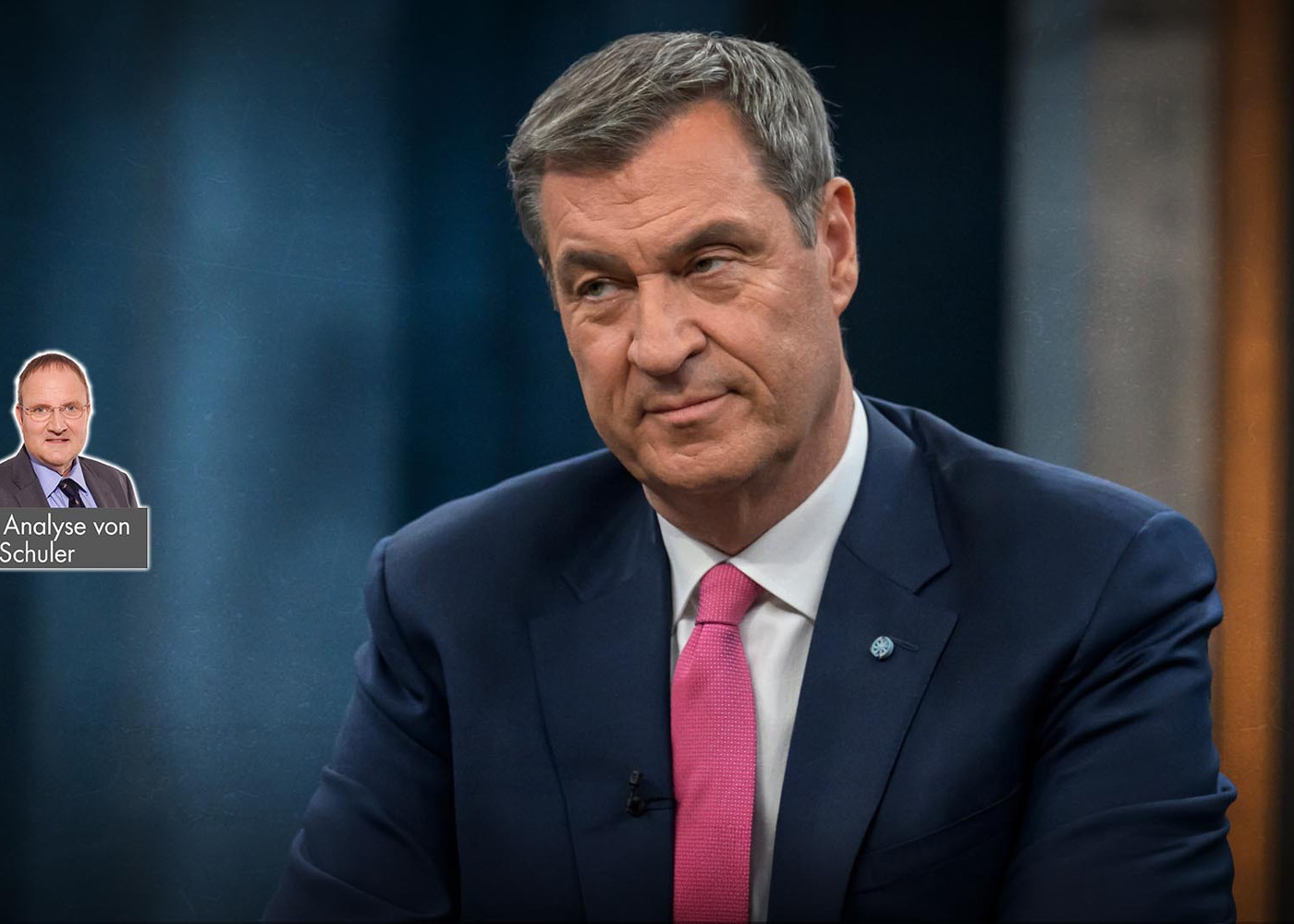

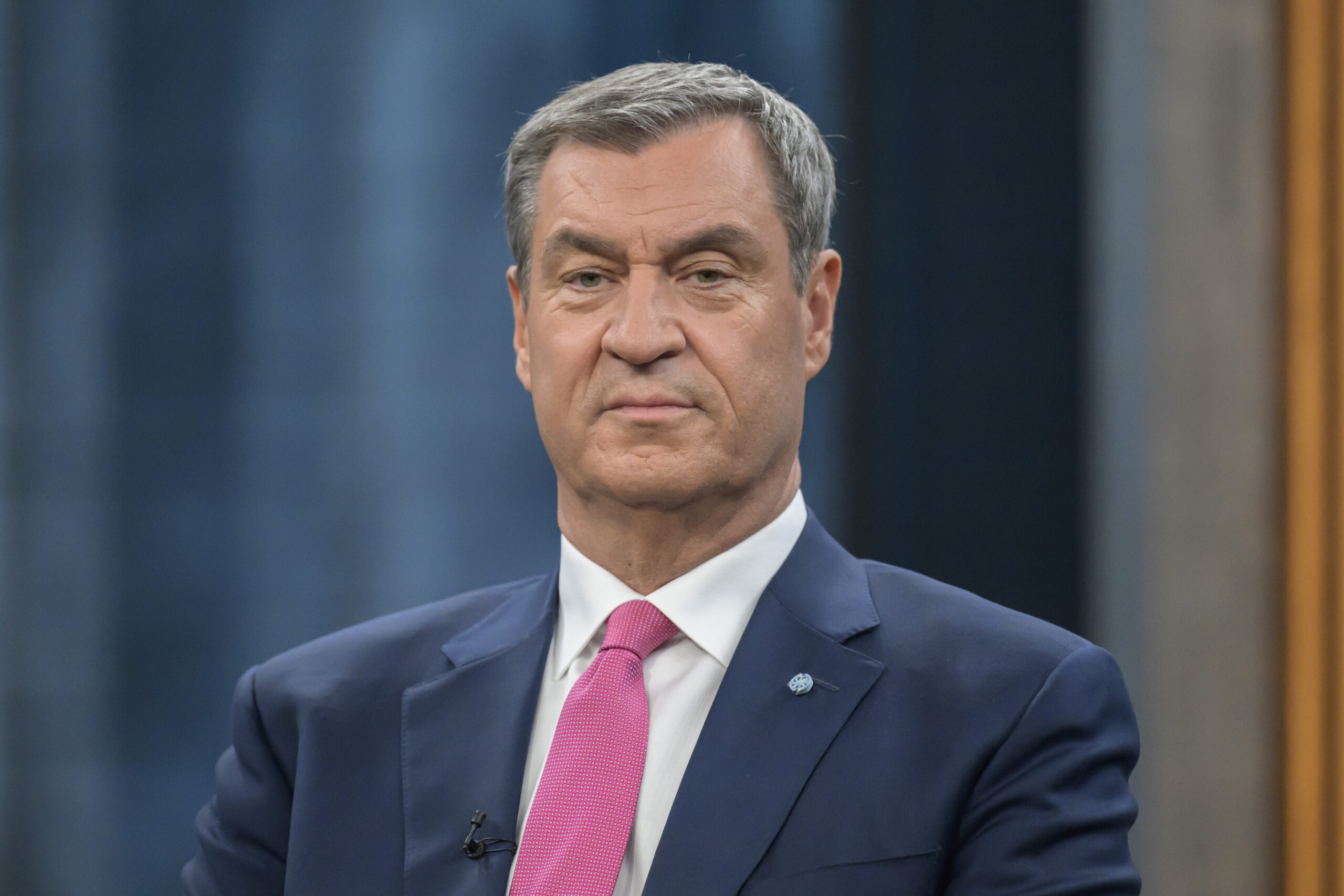
On May 17th, viewers of the ARD talk show hosted by Caren Miosga witnessed a strikingly different Markus Söder. The Bavarian leader appeared clean-shaven, wearing a blue suit and red tie, adopting a serious demeanor with fewer jokes than usual. He had already declared his daily Instagram food posts no longer appropriate in late April. The presentation was that of a statesman ready for national leadership.
The show’s title posed the question of whether the government could turn things around, and it appeared no coincidence that the CSU chief was being questioned about the federal government’s future, despite his party being the smallest in the coalition with only three federal ministers in Friedrich Merz’s cabinet.
Söder’s Assessment: Merz Cannot Deliver
According to Nius, confidants who spoke with Söder at the time reveal he became convinced following the disastrous coalition retreat at Villa Borsig in mid-April that Merz would last only weeks longer in office. The weekend gathering had confirmed Söder’s judgment that the Chancellor simply could not handle the job.
Söder’s skepticism reportedly dates back to the coalition negotiations, when Merz repeatedly made concessions to the SPD without securing adequate counter-concessions. Participants in those negotiations described a CSU chief severely frustrated by what he viewed as incompetence, frequently leaving the talks to return to Munich.
At Villa Borsig, it emerged that Merz had already made concessions to SPD leader Lars Klingbeil regarding tax increases at the upper end of the scale without informing Union negotiators, then denied doing so. When Klingbeil threatened to produce a text message proving otherwise, a timeout had to be called to calm both men.
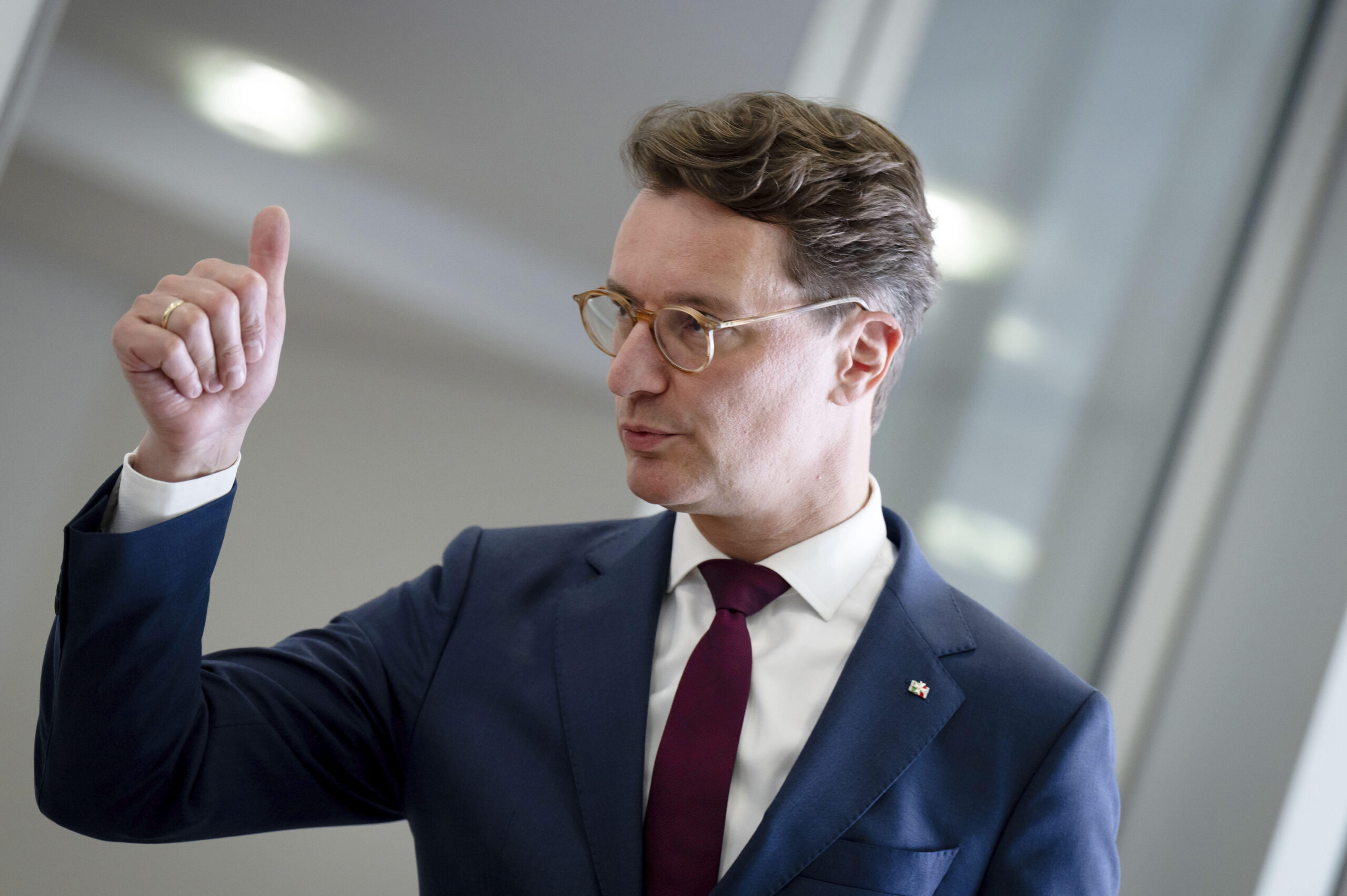
For Söder, the calculation was clear. Someone who fails to understand basic political strategy and gives away concessions to the opposition without securing Union policy goals in return would not survive long. His reasoning suggested that when the inevitable Merz crisis came, his main rival Hendrik Wüst would be occupied with North Rhine-Westphalia’s state election in spring 2027, leaving Söder as the only top-tier Union figure available for the chancellorship.
Internal Party Revolt Derails Plans
Events took a different turn when Manfred Weber, European People’s Party chief and CSU vice-chair, issued his so-called Pentecost Letter that brought simmering discontent within the CSU to a boil. Weber attacked Söder with little subtlety, criticizing the mothers’ pension that Söder had pushed into the coalition agreement and accusing him of failing to hold Bavaria together.
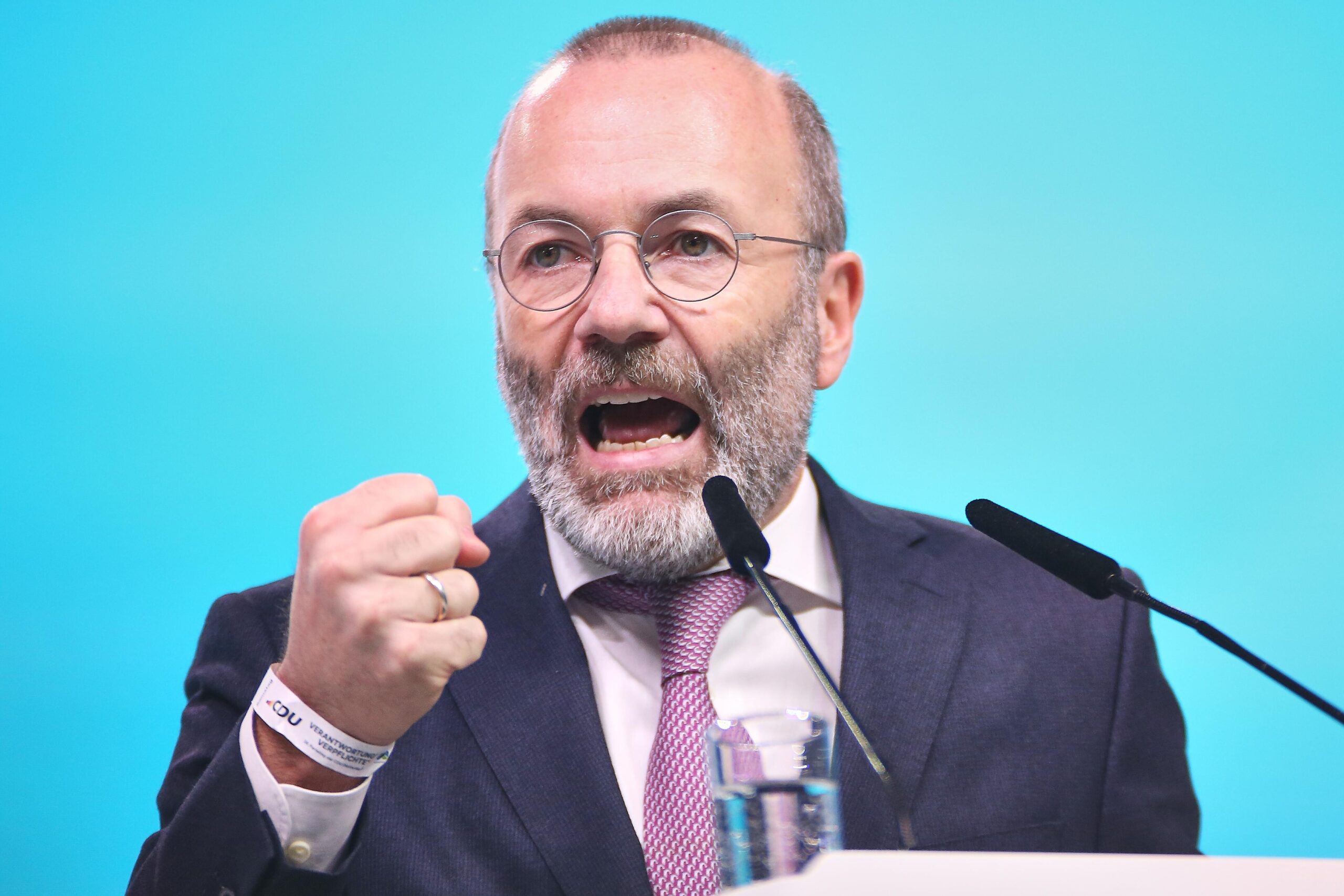
Söder found himself forced to fight fires within his own ranks. A burning house at home makes for poor timing when planning a move to the chancellery, particularly when one’s own party support is essential. While Weber lacks sufficient backing in the CSU and made no apparent effort to gather troops for a power grab, the momentum for a Munich-Berlin swap had evaporated for the time being.
Chancellor Ambitions Remain Alive
Despite these setbacks, Söder has not abandoned his self-perception as a potential chancellor, as Nius reports. During a recent appearance at the conservative Seeheim Circle of the SPD, the CSU leader railed against the AfD. He said he does not want to constantly read reports that the AfD has become the new workers’ party, nor does he want to go down in history as the new Papen.
This is a phrase Söder uses frequently to warn against ceding ground to the AfD. Franz von Papen was the last Reich Chancellor who believed he could marginalize Hitler through a pact with him, thereby inadvertently paving his path to power. Anyone thinking in such categories unmistakably sees himself as chancellor and ruler.
Growing Resistance at Union Base
According to Nius, Söder’s calculations were not entirely far-fetched. Speculation about a possible chancellor swap, first reported by the outlet and subsequently picked up by Stern and Bild, did not originate from North Rhine-Westphalia’s Hendrik Wüst as Merz suspected. However, such discussions serve as indicators of growing resistance at the Union’s grassroots level against both the Chancellor’s policies and his style of leadership.
With information from Nius





