
Public broadcaster ‘Funk’ distances itself from ‘Bible is garbage’ post
German public broadcaster Funk distanced itself from a post calling the Bible "trash" left on the moon after widespread criticism over the characterization it deemed inappropriate.
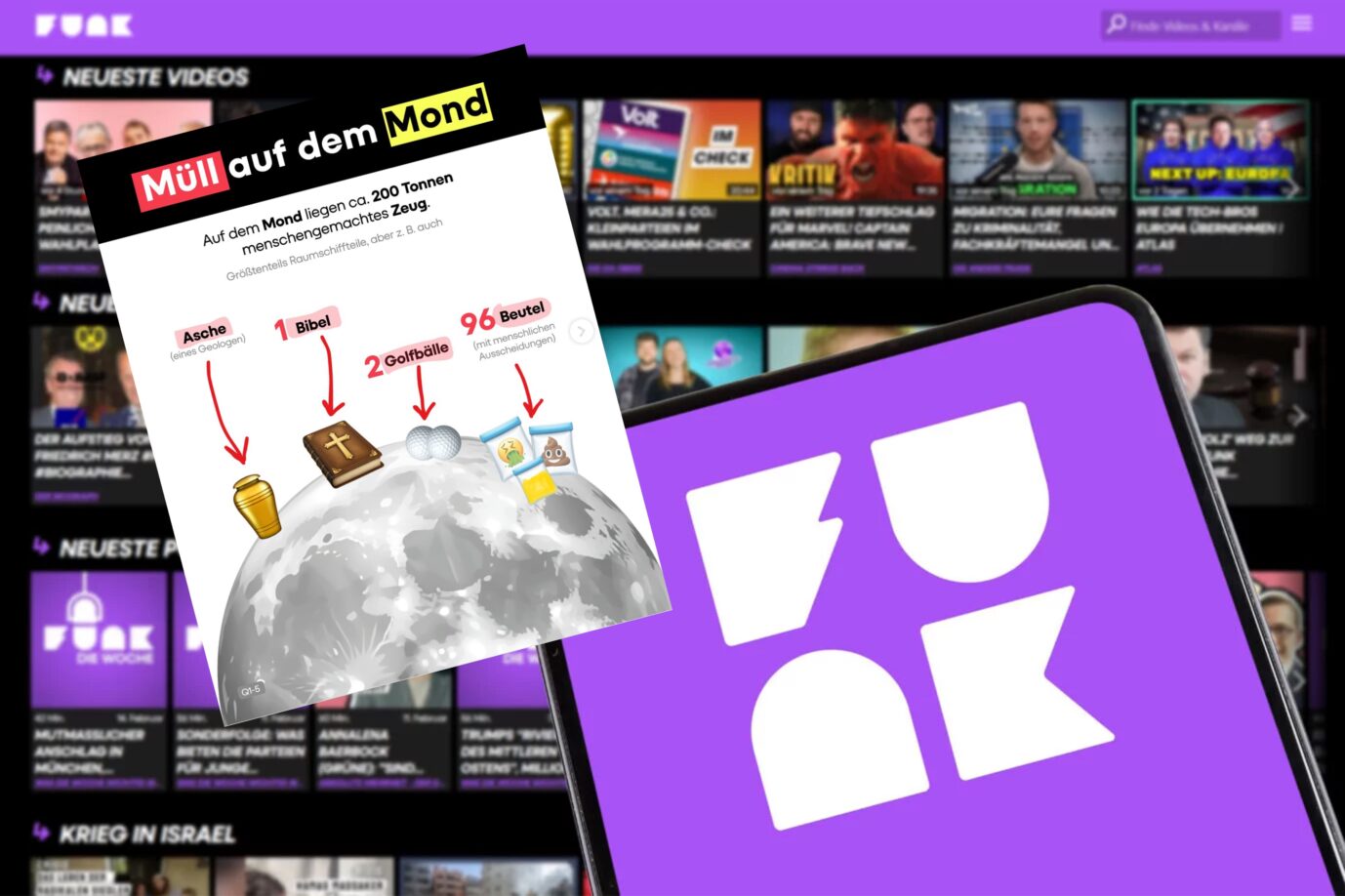

The youth-oriented format, operated jointly by ARD and ZDF, issued a statement to Junge Freiheit acknowledging that the characterization was inappropriate. A Funk spokesperson declared that the framing explicitly does not represent the editorial position of Funk, adding that the term “trash” was intended to describe objects that would not be at the location without human intervention.
The controversy erupted after Funk published a social media post listing examples of “trash on the moon.” According to Junge Freiheit, the list included ashes, two golf balls, 96 bags of human waste, and a Bible. The post attempted to explain that astronauts leave items behind to make room for lunar rock samples on return trips to Earth, noting that even bodily waste is abandoned on the lunar surface.
Initial Defense Backfires
When criticism first mounted on Instagram, Funk initially defended the post by claiming the word “trash” was not meant pejoratively but rather to denote objects that would not naturally be present on the moon. The broadcaster insisted that items like the Bible or an urn are “naturally not trash.”
This explanation proved unconvincing to critics who pointed out that standard German dictionaries define “Müll” (trash) very differently. The Duden dictionary defines it as solid waste from households or industrial operations collected in containers for disposal. The Digital Dictionary of the German Language similarly describes trash as waste materials that are typically collected, discarded, and then deposited, burned, recycled, or otherwise disposed of.
Network Promises Corrective Action
In its formal statement, Funk acknowledged that the broadcaster is aware the choice of words “can be perceived as irritating or hurtful” when applied to the Bible. The network claimed it had intended to present scientific information in a platform-appropriate manner but admitted the execution fell short.
Funk stated it is taking the criticism seriously and will implement measures to ensure “more sensitive and contextually appropriate communication” in the future. The broadcaster said it is reviewing the incident carefully and will take corresponding action.
The incident highlights ongoing tensions between Germany’s publicly funded broadcasters and conservative audiences who view such content as evidence of institutional bias against Christian values. The youth format’s initial attempt to redefine a common German word to suit its narrative only intensified the backlash before the formal apology was issued.
With information from Junge Freiheit





