Necessary Cookies

Required for the site to function. Cannot be disabled.

Analytics Cookies

Help us understand how visitors interact with our site (Google Analytics via GTM).

Marketing Cookies

Used to track visitors and deliver personalised advertisements.

We use cookies to enhance your browsing experience and analyse site traffic. By clicking Accept All, you consent to our use of cookies. Privacy Policy
NewsFire Global
Home News Europe World Christianity Culture Wars Opinion Video
Information
About Us Authors Advertising Terms & Conditions Privacy Policy Contact
R2B Media
R2B NEWSFIRE.GR PAPAFOTIS.GR THRACTION HELLENIC CONSERVATIVES RIGHT2THEBONE YT
News Culture Wars

Politicians Sue Citizens Over Insults Like “Dumb as Bread

German authorities launched at least 1,450 criminal investigations since January 2024 for insulting politicians under a controversial 2021 law that critics say restricts free expression.
Stefanos Banos
Stefanos Banos Staff Writer
JUNE 10, 2026 AT 3:40 PM
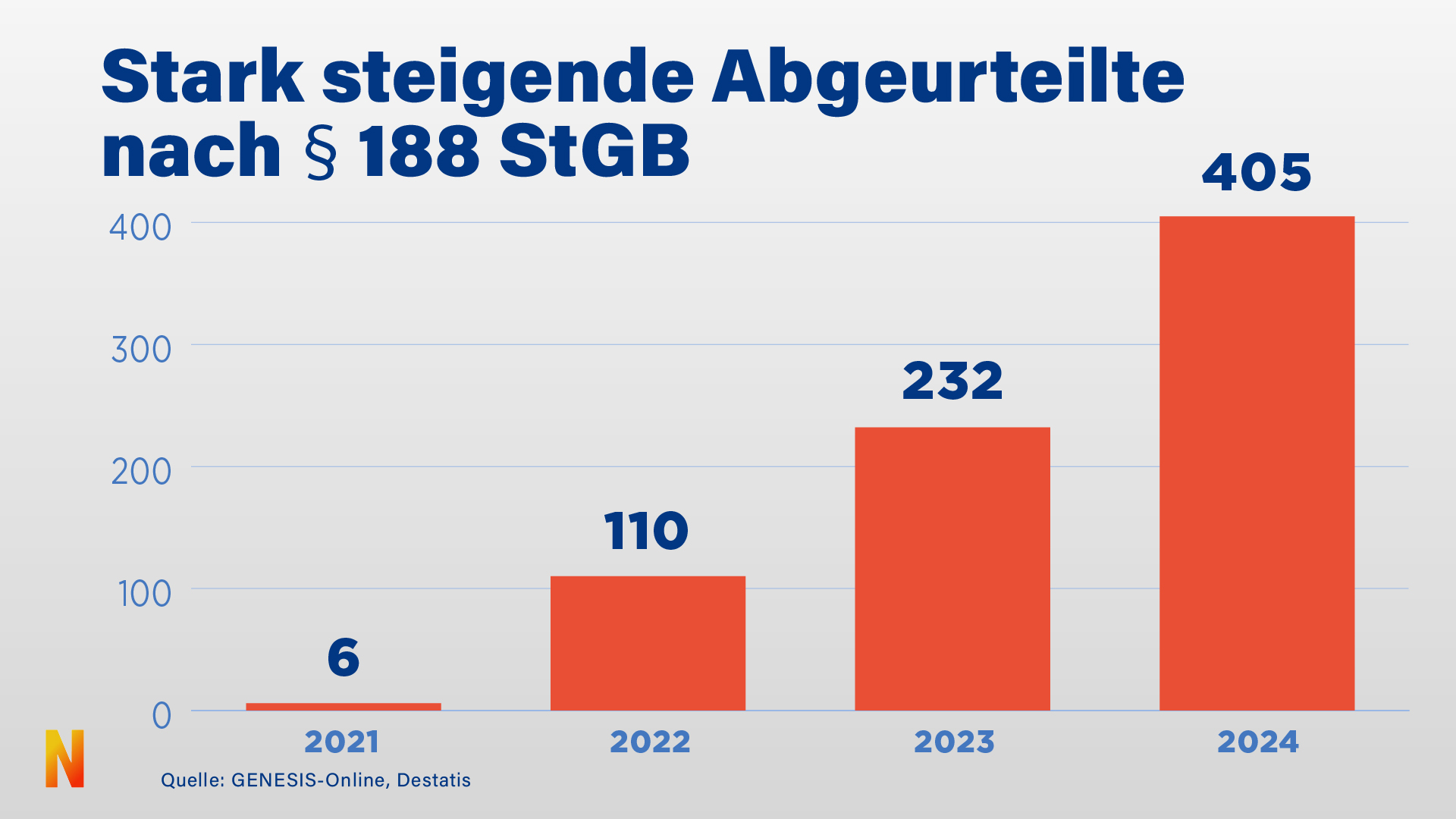
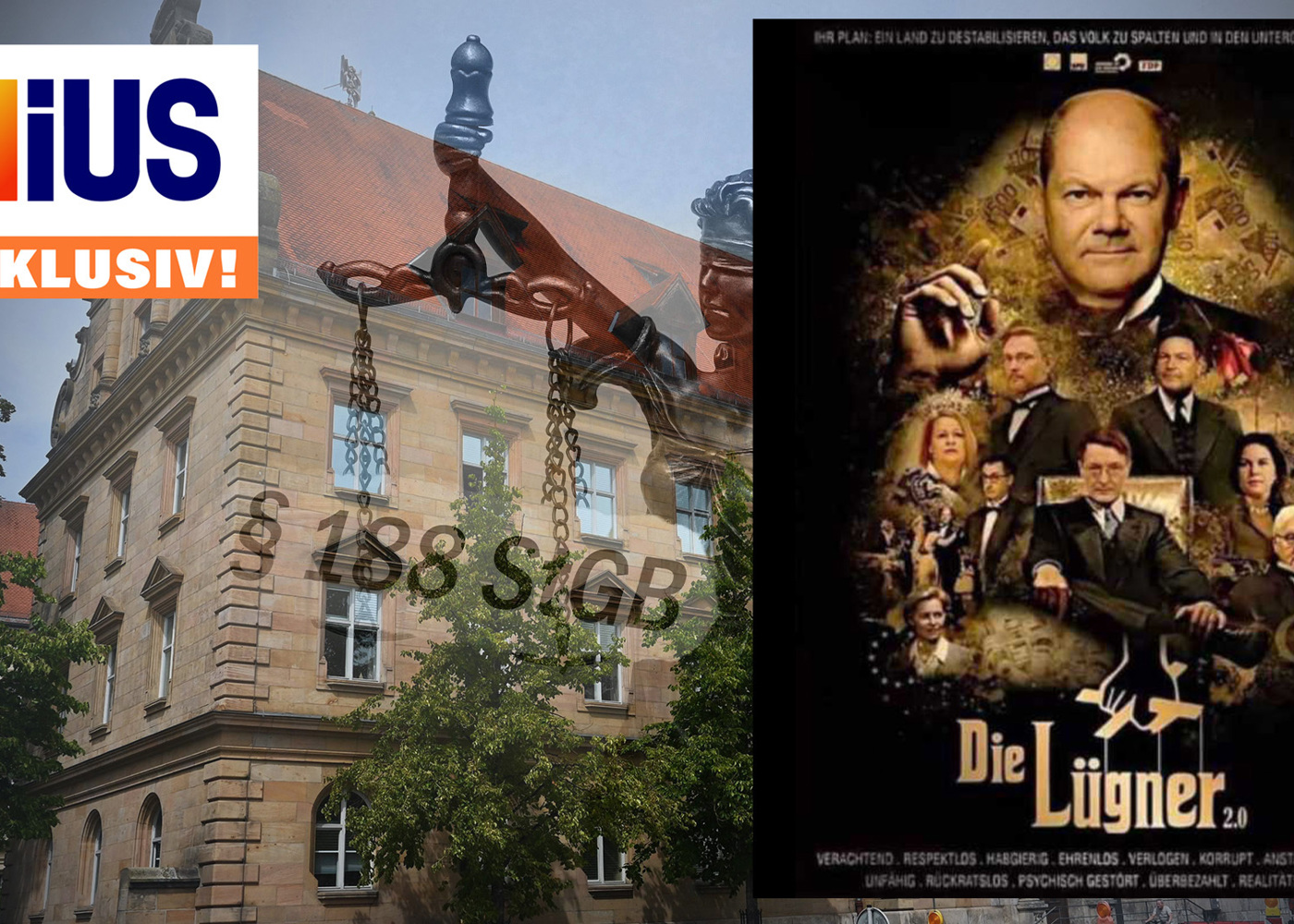
Die Zahl der bundesweit Abgeurteilten wegen § 188.
Photo: nius.de

The explosion in cases stems from paragraph 188 of the German Criminal Code, which provides enhanced protection for politicians and public figures against insults and defamation. The provision was significantly tightened in 2021 during the coronavirus pandemic as part of legislation officially titled the “Law to Combat Right-Wing Extremism and Hate Crime.”

While authorities claimed the law would safeguard democracy and free speech by more effectively prosecuting online extremism, critics have consistently characterized it as a restriction on freedom of expression and the reintroduction of a state-protected immunity for politicians against uncomfortable criticism.

From Six to 405 Cases in Three and a Half Years

The numbers reveal a staggering increase in prosecutions. According to the Federal Statistical Office, convictions under the statute have exploded from just six in the second half of 2021, when the law took effect on July 1, to 405 for the entire year of 2024. The trend continues upward.

Nius contacted all 116 public prosecutor’s offices and 24 general prosecutor’s offices across Germany, requesting information on completed proceedings, ongoing investigations, and penalty orders issued. Of 140 inquiries, only 64 authorities responded. Many provided only cursory replies, stating they maintained no relevant statistics and their IT systems did not permit targeted searches by specific statute. Others provided concrete answers.
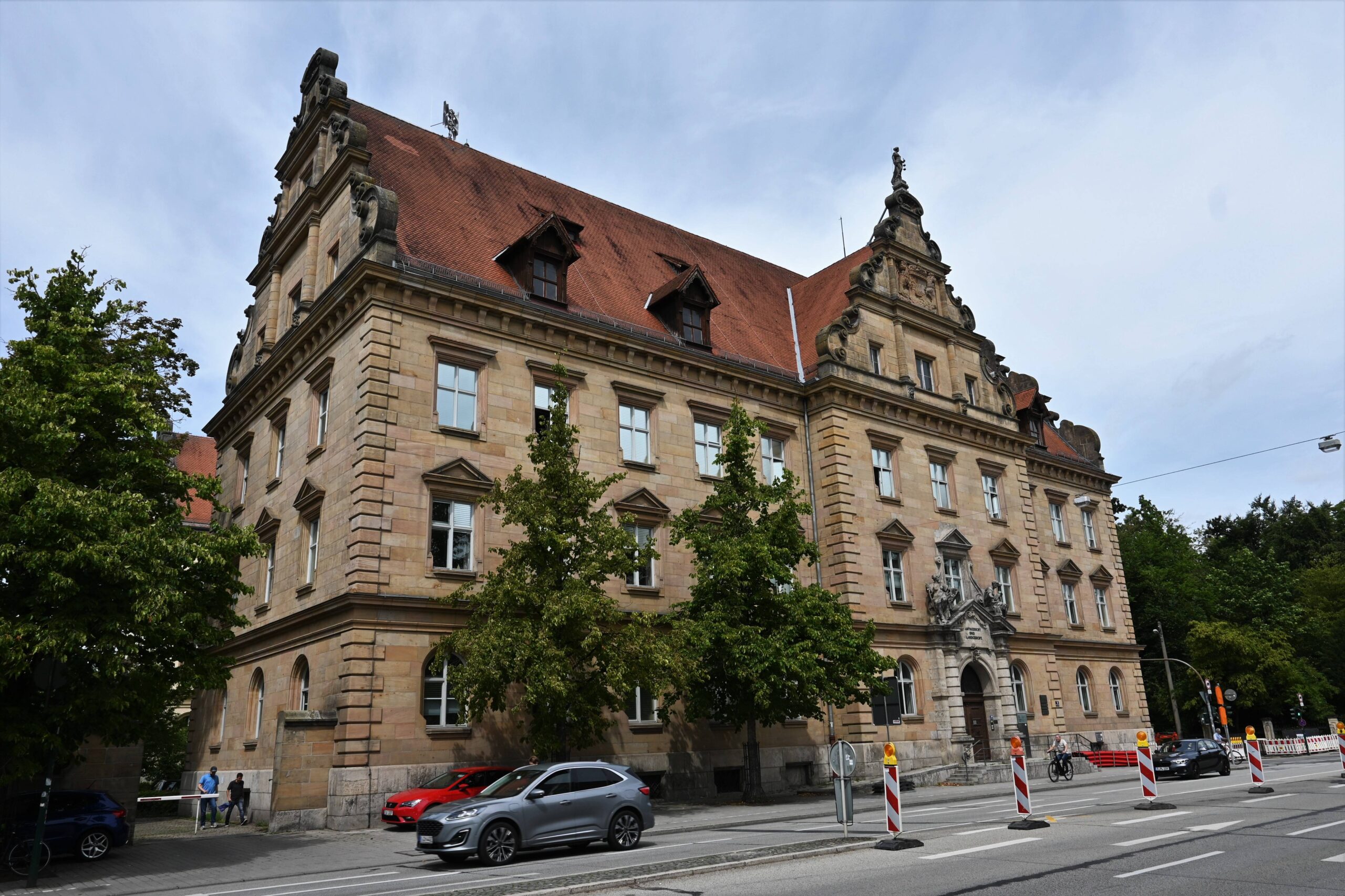
Das Amtsgericht Regensburg: Hier werden auch Verfahren wegen Politikerbeleidigung geführt.
Photo: nius.de

From January 1, 2024 through early June 2025, authorities launched at least 1,450 criminal investigations under paragraph 188 for alleged politician insults. Prosecutor’s offices in Regensburg, Mönchengladbach, Karlsruhe, Frankfurt an der Oder, Koblenz, Bad Kreuznach, Saarbrücken, Halle, Mainz, Kleve, Arnsberg, Ellwangen, Kaiserslautern, Frankenthal, Landau, Waldshut-Tiengen, Heidelberg, Offenburg, Mannheim, and Bonn provided specific figures and case details.

The variation in prosecution rates proved striking. Regensburg recorded only 45 proceedings since January 1, 2024, while the Ellwangen prosecutor’s office handled 272 cases—more than six times as many. Most proceedings did not result in final convictions. They were dismissed, transferred, referred to private prosecution channels, remained pending, or their outcomes were not disclosed by the relevant prosecutor’s office.

Based on responses provided to Nius, at least 18 final convictions or legally binding fines emerged from these investigations. This figure underscores how many of the reported insults were entirely harmless.

A Cabinet of Absurdities

A closer examination of individual cases reveals the concrete nature of these proceedings and the absurdity of many incidents. Nius compiled the most curious examples.
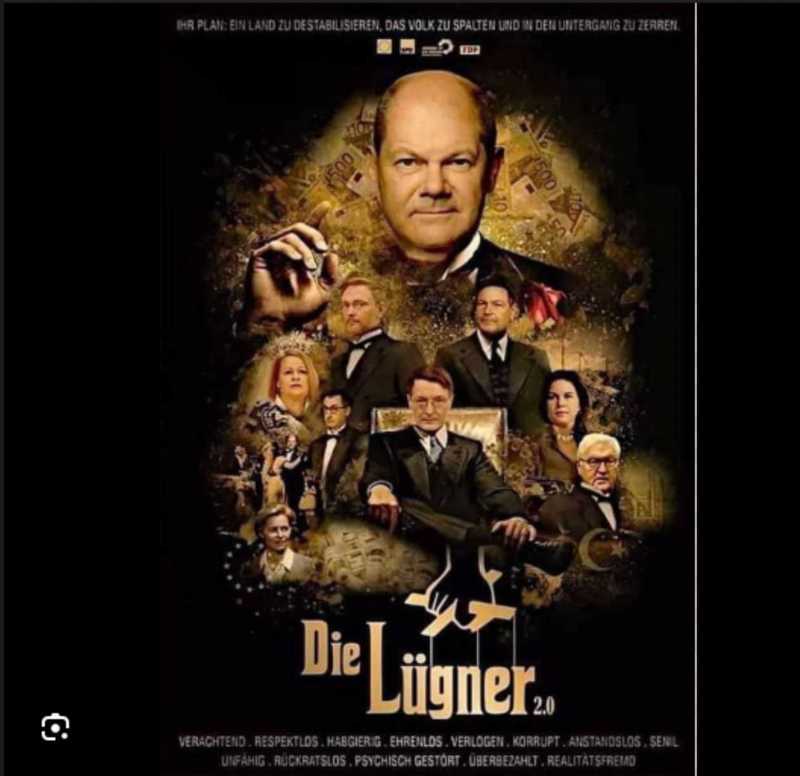
Kostete den Verfasser 900 Euro: Ein Bild von verschiedenen Politikern mit dem Titel „Lügner 2.0“.
Photo: nius.de

In Offenburg, a case involved a mayor in the Ortenau district who was called a “blockhead,” “dumb as bread,” and “mentally ill.” No conviction resulted—not because the case was judged trivial or harmless, but because the proceeding was dismissed due to the accused’s lack of criminal capacity and insufficient suspicion under section 170(2) of the Code of Criminal Procedure.

In Ellwangen, a defendant commented on a Twitter post about Bundestag member Jens Spahn, writing: “Oh dear Jens Spahn, just shut your damn mouth, you corrupt asshole!” Initially, a penalty order for 30 daily rates of 10 euros each was requested and issued. However, this penalty order never became legally binding. After the defendant confessed, the criminal complaint was withdrawn and the proceeding subsequently dismissed due to a procedural obstacle.
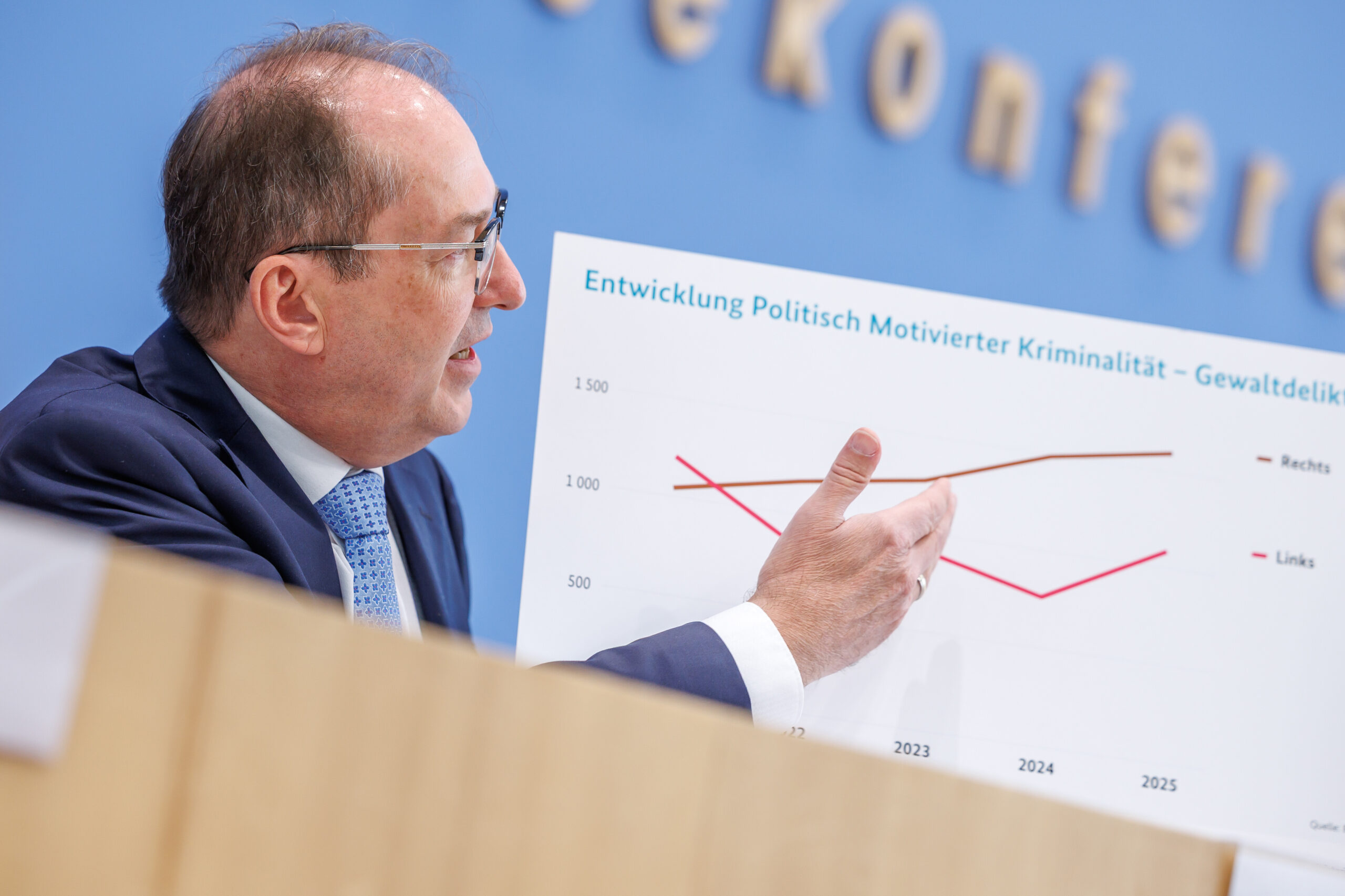
Dobrindt bei der Bundespressekonferenz zur Vorstellung der Statistik politisch motivierter Kriminalität, bei der er auch den Paragraf 188 verteidigte.
Photo: nius.de

In Regensburg, a Facebook user commented on an image modeled after the movie poster for “The Godfather.” It featured Federal President Frank-Walter Steinmeier, Chancellor Olaf Scholz, and other politicians with the title “Liars 2.0.” The comment cost the author 900 euros in fines.

The data obtained by Nius paints an absurd portrait of German justice, where citizens face criminal prosecution for online comments that in previous years would have been dismissed as political speech. The law’s defenders, including members of the governing coalition, have insisted the enhanced protections are necessary to shield democratic representatives from threats and intimidation. Critics counter that the statute has become a tool to silence legitimate political criticism and chill free expression.

As Germany approaches federal elections, the dramatic rise in prosecutions under paragraph 188 raises fundamental questions about the balance between protecting public officials and preserving robust democratic debate in the digital age.

With information from Nius

Share:
Stefanos Banos
Stefanos Banos

Stefanos Banos was born in Piraeus and is an editor at NewsFire.GR, specializing in political analysis and international relations. He graduated from the Department of Communication and Media at the University of Bremen in Germany, where he also completed his Master of Arts in Communication and Media Studies. Married to Zoi, he is a proud father of three boys.

Die Zahl der bundesweit Abgeurteilten wegen § 188.
Photo: nius.de

The explosion in cases stems from paragraph 188 of the German Criminal Code, which provides enhanced protection for politicians and public figures against insults and defamation. The provision was significantly tightened in 2021 during the coronavirus pandemic as part of legislation officially titled the “Law to Combat Right-Wing Extremism and Hate Crime.”

While authorities claimed the law would safeguard democracy and free speech by more effectively prosecuting online extremism, critics have consistently characterized it as a restriction on freedom of expression and the reintroduction of a state-protected immunity for politicians against uncomfortable criticism.

From Six to 405 Cases in Three and a Half Years

The numbers reveal a staggering increase in prosecutions. According to the Federal Statistical Office, convictions under the statute have exploded from just six in the second half of 2021, when the law took effect on July 1, to 405 for the entire year of 2024. The trend continues upward.

Nius contacted all 116 public prosecutor’s offices and 24 general prosecutor’s offices across Germany, requesting information on completed proceedings, ongoing investigations, and penalty orders issued. Of 140 inquiries, only 64 authorities responded. Many provided only cursory replies, stating they maintained no relevant statistics and their IT systems did not permit targeted searches by specific statute. Others provided concrete answers.

Das Amtsgericht Regensburg: Hier werden auch Verfahren wegen Politikerbeleidigung geführt.
Photo: nius.de

From January 1, 2024 through early June 2025, authorities launched at least 1,450 criminal investigations under paragraph 188 for alleged politician insults. Prosecutor’s offices in Regensburg, Mönchengladbach, Karlsruhe, Frankfurt an der Oder, Koblenz, Bad Kreuznach, Saarbrücken, Halle, Mainz, Kleve, Arnsberg, Ellwangen, Kaiserslautern, Frankenthal, Landau, Waldshut-Tiengen, Heidelberg, Offenburg, Mannheim, and Bonn provided specific figures and case details.

The variation in prosecution rates proved striking. Regensburg recorded only 45 proceedings since January 1, 2024, while the Ellwangen prosecutor’s office handled 272 cases—more than six times as many. Most proceedings did not result in final convictions. They were dismissed, transferred, referred to private prosecution channels, remained pending, or their outcomes were not disclosed by the relevant prosecutor’s office.

Based on responses provided to Nius, at least 18 final convictions or legally binding fines emerged from these investigations. This figure underscores how many of the reported insults were entirely harmless.

A Cabinet of Absurdities

A closer examination of individual cases reveals the concrete nature of these proceedings and the absurdity of many incidents. Nius compiled the most curious examples.

Kostete den Verfasser 900 Euro: Ein Bild von verschiedenen Politikern mit dem Titel „Lügner 2.0“.
Photo: nius.de

In Offenburg, a case involved a mayor in the Ortenau district who was called a “blockhead,” “dumb as bread,” and “mentally ill.” No conviction resulted—not because the case was judged trivial or harmless, but because the proceeding was dismissed due to the accused’s lack of criminal capacity and insufficient suspicion under section 170(2) of the Code of Criminal Procedure.

In Ellwangen, a defendant commented on a Twitter post about Bundestag member Jens Spahn, writing: “Oh dear Jens Spahn, just shut your damn mouth, you corrupt asshole!” Initially, a penalty order for 30 daily rates of 10 euros each was requested and issued. However, this penalty order never became legally binding. After the defendant confessed, the criminal complaint was withdrawn and the proceeding subsequently dismissed due to a procedural obstacle.

Dobrindt bei der Bundespressekonferenz zur Vorstellung der Statistik politisch motivierter Kriminalität, bei der er auch den Paragraf 188 verteidigte.
Photo: nius.de

In Regensburg, a Facebook user commented on an image modeled after the movie poster for “The Godfather.” It featured Federal President Frank-Walter Steinmeier, Chancellor Olaf Scholz, and other politicians with the title “Liars 2.0.” The comment cost the author 900 euros in fines.

The data obtained by Nius paints an absurd portrait of German justice, where citizens face criminal prosecution for online comments that in previous years would have been dismissed as political speech. The law’s defenders, including members of the governing coalition, have insisted the enhanced protections are necessary to shield democratic representatives from threats and intimidation. Critics counter that the statute has become a tool to silence legitimate political criticism and chill free expression.

As Germany approaches federal elections, the dramatic rise in prosecutions under paragraph 188 raises fundamental questions about the balance between protecting public officials and preserving robust democratic debate in the digital age.

With information from Nius