
Poland Pays Highest Price for Ukraine Aid, Sees Little Return
Poland expects only €300 million from the EU's €6.6 billion Peace Facility despite providing more military aid to Ukraine than most European nations, raising questions about proportional compensation.

According to Brussels Signal, Deputy Defence Minister Paweł Zalewski stated in May that Poland anticipated receiving approximately €300 million from the newly unblocked funds. Given the scale of Polish contributions over four years—including substantial transfers of tanks, armoured vehicles, ammunition, refugee hosting costs exceeding one million Ukrainians, and serving as the primary Western logistical corridor—the figure appears strikingly inadequate.
The European Peace Facility was established to reimburse member states for military assistance provided to partners such as Ukraine. However, the mechanism became frozen after Hungary blocked more than €6 billion in 2024. With Budapest’s veto now expected to be lifted following a change of government, member states are positioning themselves to recover portions of their expenditures.
The challenge is structural: reimbursement requests reportedly total €43 billion, while only €6.6 billion is available. Poland’s expectation of €300 million appears less a negotiating stance than a tacit acceptance of limited returns on what was framed as an investment in European security.
Strategic Investment Without Strategic Influence
Poland transferred heavy military equipment from its own inventories when larger European states were still debating the scope of their commitments. Warsaw absorbed economic and social costs, accepted heightened security risks, and became the principal transit hub for Western assistance entering Ukraine.
Yet as Brussels Signal notes, these decisions have not translated into commensurate political weight within European Union structures. Reports from late 2025 indicated that Warsaw was largely sidelined from critical diplomatic discussions concerning potential pathways to ending the conflict.
The contrast with Estonia is instructive. Kaja Kallas, the former Estonian Prime Minister now serving as the EU’s High Representative for Foreign Affairs and Security Policy, has shaped bloc policy toward Ukraine despite Estonia’s materially smaller contribution. Through strategic messaging and institutional positioning, Tallinn achieved influence that Warsaw—despite far greater investment—has struggled to secure.
Underrepresentation in European Diplomatic Structures
Poland currently holds only five EU ambassadorial positions, fewer than Portugal, which has roughly one-quarter of Poland’s population. France and Germany each maintain over twenty ambassadors. For a country bearing one of the heaviest burdens in supporting Ukraine and possessing significant geopolitical importance, the disparity is glaring.
This institutional underrepresentation carries domestic political consequences. The solidarity with Ukraine that characterized Polish public opinion in 2022 has faced strain as economic pressures mount and questions about reciprocal benefits grow louder.
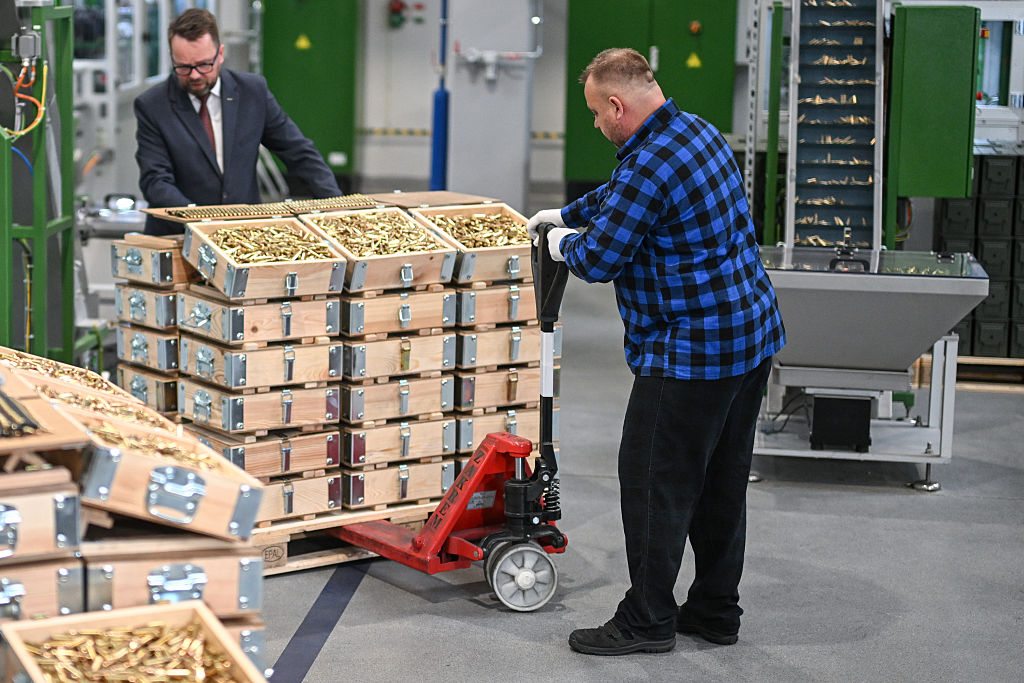
Poland ramped up arms and ammunition production as part of its commitment to supporting Ukraine and strengthening European defense capacity. Yet investments are typically expected to generate returns—whether financial reimbursement, enhanced security guarantees, or greater decision-making authority within multilateral institutions.
In Poland’s case, identifying such returns has proven difficult. Warsaw’s modesty in expecting just €300 million from a €6.6 billion fund reflects either diplomatic realism about its limited leverage or a troubling acceptance that Europe’s largest frontline contributor may remain its least compensated partner.
With information from Brussels Signal





