
Philip Morris Denies Using AI to Sway EU Tobacco Policy
Philip Morris denies using AI to manipulate EU tobacco consultations despite evidence showing three-quarters of Dutch responses opposing stricter regulation were allegedly AI-generated.
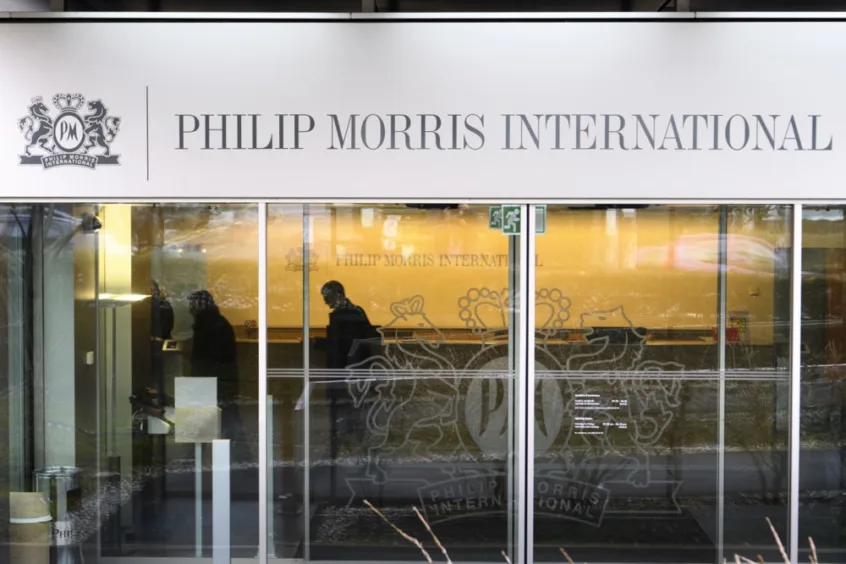

Tobacco giant Philip Morris International has firmly rejected allegations that it deployed artificial intelligence tools to manipulate European Union tobacco policy consultations, insisting its digital platform was designed solely to help ordinary citizens participate in the democratic process.

The controversy centers on Philip Morris’s “Your Voice. Your Choice” online tool, which stands accused of generating hundreds of artificially-crafted responses to the European Commission’s consultation on revising the Tobacco Products Directive. According to Brussels Signal, the company now faces a formal complaint in the Netherlands from medical professionals and health advocacy organizations who characterize the campaign as deliberately misleading.
An investigation conducted by Dutch broadcaster NOS and journalism platform Pointer revealed striking patterns in the consultation responses. The journalists found that nearly three-quarters of Dutch submissions opposing stricter EU tobacco legislation appeared to be entirely AI-generated, with nine out of ten Dutch-language responses allegedly produced by Philip Morris’s text generator.
The investigators used the platform Pangram to determine whether texts had been written by artificial intelligence rather than human authors. They also noted an unusually high volume of responses opposing the European Commission’s anti-tobacco proposals, which they described as a troubling indicator of potential manipulation.
In the Netherlands, a coalition of physicians and health organizations has filed a complaint with the Dutch Advertising Code Committee. The complainants argue that the initiative not only misleads the public but may constitute illegal tobacco advertising under existing law.
Danielle Cohen, a lung pathologist at LUMC, expressed serious concerns about the platform’s design. She noted that the tool featured dozens of buttons opposing stricter regulations while providing only a single option for users wanting to express support for tighter controls.
The complaint filed with the Dutch Data Protection Authority raises additional privacy concerns, as Brussels Signal reports. The campaign allegedly asked participants whether they used cigarettes or alternative tobacco products—information that legal experts classify as highly sensitive personal data requiring special protection under European privacy law.
Platform Design Under Scrutiny
The contested digital platform guided users through a series of questions before generating draft response texts that could be edited prior to submission to EU authorities. Critics characterize this approach as classic astroturfing—creating the false impression of genuine grassroots support—and argue it may violate advertising regulations governing tobacco products.
Philip Morris International has issued a robust defense of its practices. In a detailed statement, the company maintained that users retained complete control over their submissions at all times, with full freedom to edit generated text and decide what content to include or exclude.
The tobacco manufacturer went further, accusing anti-tobacco lobbyists of spreading what it termed “fake news” in an effort to delegitimize thousands of citizens and stakeholders who chose to participate in the consultation process. According to Philip Morris, these critics aim to dismiss viewpoints that challenge their preferred narrative by manufacturing a fabricated controversy.
Philip Morris emphasized that the tool was designed to make texts readable, coherent and relevant, focusing on structure and clarity rather than steering content toward any specific viewpoint. The company framed the dispute as fundamentally about democratic participation rights.
European Commission Responds
The European Commission launched its call for evidence on revising the Tobacco Products Directive and related advertising rules earlier this year. The consultation has attracted significant input from both industry representatives and public health advocates amid ongoing debates over regulation of vaping products, heated tobacco devices, and stricter controls generally.
A Commission spokesperson expressed serious concern about the allegations, according to Brussels Signal, condemning any manipulation or misrepresentation of citizen views. The spokesperson stressed that public consultations must accurately reflect genuine public opinion on the subject matter under consideration.
The controversy highlights broader questions about the role of artificial intelligence in democratic processes, particularly regarding corporate influence on regulatory policymaking. As the Commission continues its review of tobacco regulations, the integrity of public input mechanisms has emerged as a critical issue alongside the substance of the proposed policy changes themselves.
The formal complaints now face review by Dutch regulatory authorities, whose decisions could have implications for how companies engage with EU consultation processes going forward.
With information from Brussels Signal





