Necessary Cookies

Required for the site to function. Cannot be disabled.

Analytics Cookies

Help us understand how visitors interact with our site (Google Analytics via GTM).

Marketing Cookies

Used to track visitors and deliver personalised advertisements.

We use cookies to enhance your browsing experience and analyse site traffic. By clicking Accept All, you consent to our use of cookies. Privacy Policy
NewsFire Global
Home News Europe World Christianity Culture Wars Opinion Video
Information
About Us Authors Advertising Terms & Conditions Privacy Policy Contact
R2B Media
R2B NEWSFIRE.GR PAPAFOTIS.GR THRACTION HELLENIC CONSERVATIVES RIGHT2THEBONE YT
News World

Patriot System Proves Effective in Red Sea Defense Operations

A Greek Patriot battery in Saudi Arabia intercepted four Houthi projectiles targeting Red Sea oil infrastructure, maintaining its perfect operational record with aging PAC-2 missiles.

Dimitris Papafotis
Dimitris Papafotis Editor in Chief
JULY 29, 2026 AT 12:00 AM

According to Vassilis Nedos writing in Kathimerini (EN), officers of the Hellenic Force stationed in Saudi Arabia had advance intelligence that the Iran-backed Houthi insurgents had received fresh weapons shipments directly from Tehran. The rebels themselves had publicly announced their intention to strike oil facilities operated by Aramco near the coastal city of Yanbu, allowing the Greek contingent to prepare defensive measures.

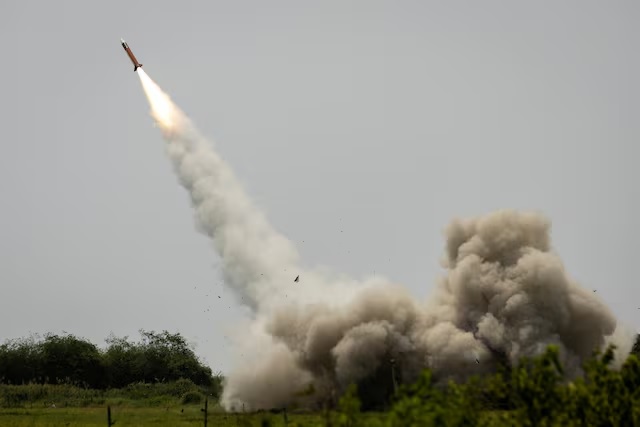
The engagement saw the Greek battery destroy two ballistic missiles and two drones, underscoring the unit’s effectiveness in protecting vital energy supplies that flow through one of the world’s most contested maritime chokepoints. While Saudi authorities have long recognized the value of this deployment, Nedos suggests the European Union may finally be taking notice of Greece’s contribution to regional security.

Aging but Reliable Patriots

The interception relied on PAC-2 variant missiles, technology that first saw operational use during the 1990-91 Gulf War. The specific variant now employed by the Greek Air Force has been in service for 23 years, raising questions about the system’s longevity despite its flawless performance record.

Since last spring, when the Greek battery first engaged incoming drones, the PAC-2 missiles have maintained a perfect success rate. This latest engagement continues that unblemished operational record, proving the system’s continued viability even as it approaches the outer limits of its expected service life.

Push for Modernization

Greek military leadership is pressing for an upgrade to the newer PAC-3 ACE missile variant, viewing the aging PAC-2 inventory as operating at the edge of its operational lifespan. However, global demand for advanced interceptor missiles has created significant delivery bottlenecks, complicating procurement efforts.

To address these delays, Athens is exploring domestic co-production arrangements that would accelerate delivery timelines and potentially strengthen Greece’s defense industrial base. Such a move would align with broader Western efforts to expand missile defense manufacturing capacity amid rising global threats.

Strategic Implications

The continued Houthi attacks, enabled by Iranian weapons transfers, highlight the persistent threat to international energy infrastructure in the Red Sea region. Greece’s proven defensive capabilities position the country as a valuable NATO ally willing to deploy forces in contested theaters far from European borders.

As European nations face pressure to shoulder greater defense responsibilities, Greece’s operational presence in Saudi Arabia offers a concrete example of burden-sharing that protects Western economic interests while countering Iranian regional influence.

With information from Kathimerini (EN)

Share:
Dimitris Papafotis
Dimitris Papafotis

Dimitris Papafotis is the editor-in-chief of NewsFire.GR. He was born and raised in Athens. He studied at the Journalism Workshop (1991-1993). He currently lives in Pyrgos, Ilia, where he has been active in radio and various newspapers, while also maintaining his personal blog, Papafotis.gr.

According to Vassilis Nedos writing in Kathimerini (EN), officers of the Hellenic Force stationed in Saudi Arabia had advance intelligence that the Iran-backed Houthi insurgents had received fresh weapons shipments directly from Tehran. The rebels themselves had publicly announced their intention to strike oil facilities operated by Aramco near the coastal city of Yanbu, allowing the Greek contingent to prepare defensive measures.

The engagement saw the Greek battery destroy two ballistic missiles and two drones, underscoring the unit’s effectiveness in protecting vital energy supplies that flow through one of the world’s most contested maritime chokepoints. While Saudi authorities have long recognized the value of this deployment, Nedos suggests the European Union may finally be taking notice of Greece’s contribution to regional security.

Aging but Reliable Patriots

The interception relied on PAC-2 variant missiles, technology that first saw operational use during the 1990-91 Gulf War. The specific variant now employed by the Greek Air Force has been in service for 23 years, raising questions about the system’s longevity despite its flawless performance record.

Since last spring, when the Greek battery first engaged incoming drones, the PAC-2 missiles have maintained a perfect success rate. This latest engagement continues that unblemished operational record, proving the system’s continued viability even as it approaches the outer limits of its expected service life.

Push for Modernization

Greek military leadership is pressing for an upgrade to the newer PAC-3 ACE missile variant, viewing the aging PAC-2 inventory as operating at the edge of its operational lifespan. However, global demand for advanced interceptor missiles has created significant delivery bottlenecks, complicating procurement efforts.

To address these delays, Athens is exploring domestic co-production arrangements that would accelerate delivery timelines and potentially strengthen Greece’s defense industrial base. Such a move would align with broader Western efforts to expand missile defense manufacturing capacity amid rising global threats.

Strategic Implications

The continued Houthi attacks, enabled by Iranian weapons transfers, highlight the persistent threat to international energy infrastructure in the Red Sea region. Greece’s proven defensive capabilities position the country as a valuable NATO ally willing to deploy forces in contested theaters far from European borders.

As European nations face pressure to shoulder greater defense responsibilities, Greece’s operational presence in Saudi Arabia offers a concrete example of burden-sharing that protects Western economic interests while countering Iranian regional influence.

With information from Kathimerini (EN)